

Reviewed · SWAKOPMUND
Half Day Swakopmund Cultural Historical Township Tour
Swakopmund’s polished seaside center tells only part of Namibia’s story. This three-hour township tour takes you into Mondesa and the Democratic Resettlement Community, where local guides explain how these communities developed and introduce you to everyday culture, food, language, and people.
I like the direct contact with residents and the chance to taste local dishes, including mopane worms and locally brewed beer. I also like that guides such as Nande, Theo, and Constance explain the history and translate as needed. The main consideration is that this is a walking-based cultural visit, so you should have moderate fitness and arrive ready for a less polished, more personal experience.
Key points to know before booking
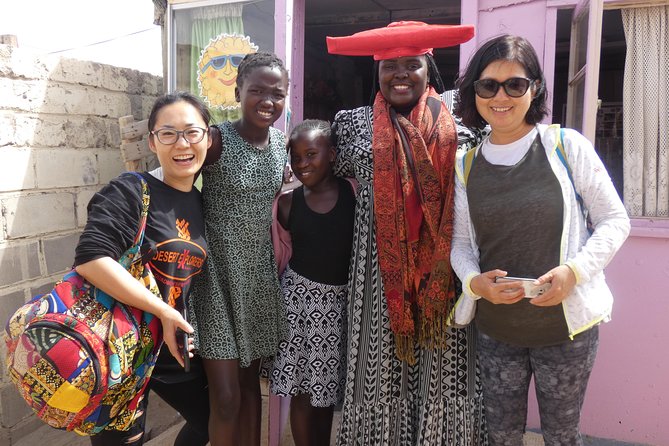
- Mondesa and the DRC: See two communities connected to Swakopmund’s modern social history.
- Local guides: Nande, Theo, and Constance have led visitors through the area, explaining tribal traditions and community development.
- Food with a local setting: Try traditional food, including mopane worms, and receive a two-course lunch or dinner.
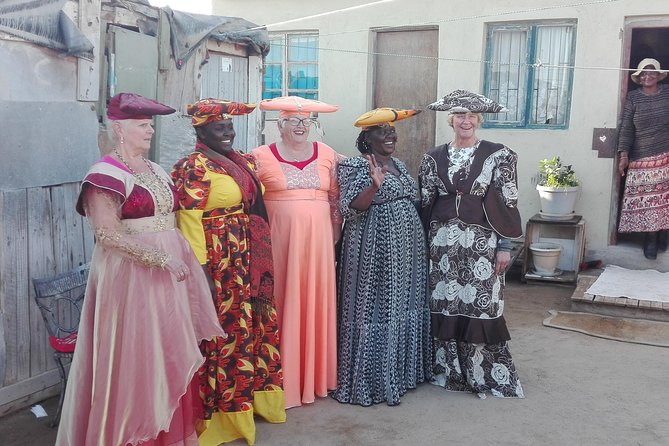
- Many Namibian cultures: Learn about Ovambo, Damara, Herero, and Ovahimba people.
- Pickup included: Hotel collection and return make this easy to fit into a Swakopmund stay.
- Private activity: Only your group participates, with a maximum booking size of 100 people.
Why this tour adds another side to Swakopmund
Swakopmund is easy to enjoy as a base for desert excursions, ocean cruises, and German colonial architecture. Yet the town’s tourist center can leave you with a narrow view of Namibia. The communities outside that center reveal a more current and human story.
This experience focuses on people rather than monuments. You walk local streets, hear children playing, see sidewalk barbecues, visit a local market, and stop at a bar or restaurant. The setting is ordinary in the best sense. You are not being shown a staged museum display. You are being given context for how people live, work, eat, and maintain cultural traditions.
I especially value the presence of a local guide. The guide does more than point out buildings. You learn about the different groups living in Namibia and about the development of Mondesa and the DRC over time. That personal explanation matters because the neighborhoods can otherwise be difficult to understand from a passing drive.
The tour also uses the idea of Ubuntu, a Southern African principle centered on shared humanity and community. You will learn to say Uuharapo and hear about click language, adding a small but memorable language lesson to the walk.
More history tours in Swakopmund:
- Swakopmund Best Cultural Historical Township Tours Namibia
★ 5.0 · 8 reviews - City Tour of Historical Swakopmund
★ 5.0 · 8 reviews - Explorer Historical Private Township Cultural Tours
★ 4.0 · 6 reviews
Beginning in Mondesa at 10 a.m.
The tour starts at 10 a.m. in Swakopmund, with hotel pickup and drop-off included. That timing works well if you want a cultural activity before the afternoon heat or before another scheduled excursion. It also means you do not need to spend time arranging a taxi to the meeting point.
Once you meet your guide, the tour heads into Mondesa. The exact route can vary, but the experience is built around walking through the community and meeting local people. Wear comfortable shoes and bring water, even though bottled water is included.
The physical demand is described as moderate. I would not treat this as a strenuous hike, but you should be comfortable walking neighborhood streets for part of three hours. If you have mobility concerns, ask the operator about the walking conditions before paying, since no detailed accessibility information is provided.
Mondesa and the story of community development
Mondesa is not simply a stop for photographs. Its importance comes from the way it helps explain Swakopmund’s social structure and the lives of people who live beyond the central tourist area.
Your guide explains how Mondesa developed and how different Namibian groups came to live in the township. The discussion includes Ovambo, Damara, Herero, and Ovahimba people. These names are not just a list of ethnic groups. They give you a starting point for understanding Namibia’s cultural variety and the traditions you may encounter elsewhere in the country.
Theo has been praised for explaining the history of Mondesa and the DRC in a clear, story-led way. Constance is another guide who has helped visitors learn more about Namibia during the visit. Nande, who operates Explorer Tours, is also described as an excellent communicator and handles pickup personally on some departures.
You should keep in mind that guides can differ in style. Some may focus more on historical explanation, while others may spend more time on food, language, or personal introductions. That variety is part of the nature of a private local tour, but you can ask about the guide and route when confirming your booking.
The Democratic Resettlement Community
The Democratic Resettlement Community, usually shortened to DRC, adds another part to the story. The guide explains how the area developed over the years and how it relates to Mondesa. This helps you see that the township is not a single, uniform place.
The value here is context. You are not merely looking at homes or streets and guessing what you see. Your guide gives meaning to the area and explains the changes that shaped it. One guide has been praised for narrating the development of Mondesa and the DRC with such detail that the history felt immediate and easy to follow.
At the same time, this is not a formal history lecture. The tour is designed around conversations, movement, food, and local contact. You may stop at an open-air market, look at local goods, and observe daily activity. The experience works best if you ask questions respectfully and listen rather than treating the neighborhood as a backdrop.
Photography deserves care. The information provided does not set out a formal photography policy, so ask your guide before taking pictures of people, homes, children, or market stalls. A polite request is especially important on a tour whose purpose is personal connection.
A few more Swakopmund trips worth a look
- Walvis Bay: Marine Big 5 Luxury Catamaran Tour
★ 4.8 · 1,012 reviews - Swakopmund: Desert Dunes Quad Biking with Optional Sandboard
★ 4.9 · 590 reviews - Walvis Bay and Sandwich Harbour Tour
★ 4.8 · 483 reviews - Scenic Sandwich Harbour Tour
★ 5.0 · 277 reviews
Meeting people instead of only seeing buildings

The strongest part of the tour is the human contact. You meet residents and gain access to perspectives that are difficult to get from a standard city tour. The guide acts as a bridge, explaining customs and translating when needed.
The itinerary refers to local people as the heart of the experience. That is useful guidance for setting your expectations. This is not mainly about checking off sights. It is about hearing stories, noticing daily routines, and understanding how several cultural groups share the wider Swakopmund area.
You might hear children playing, smell food cooking at sidewalk barbecues, or see how a local bar functions as a social meeting place. These details are small, but they often stay with you longer than another quick photograph of a landmark.
I also like that the tour does not present Namibian culture as one single tradition. The guide discusses Ovambo, Damara, Herero, and Ovahimba people, giving you a broader view of the country. You should not expect a full course in each group’s history in only three hours, but the introduction can help you ask better questions during the rest of your Namibia trip.
Tasting mopane worms and local food

Food gives the tour a practical, memorable center. You visit a local restaurant and bar, sample traditional food, and receive a two-course lunch or dinner. The experience specifically includes local mopane worms, an ingredient that many visitors may not have tried before.
Mopane worms are caterpillars traditionally eaten in parts of southern Africa. Here, the point is not simply to challenge yourself with an unusual snack. Tasting local food helps you connect culture with ordinary life, agriculture, family meals, and local taste.
The tour also includes locally brewed beer. The available information does not specify the exact dishes or beer served on every departure, so do not book expecting a fixed menu. Instead, think of the food portion as a chance to try what the host venue provides that day.
The two-course meal improves the value of the tour. At $51.29 per person, you are paying for a private three-hour experience, a guide, transportation from your hotel, food tasting, bottled water, and a substantial meal. The price is not just for a drive through the township. It covers time, local interpretation, and the practical ease of pickup and return.
If you have dietary restrictions, ask before booking. The tour includes traditional food, but no information is provided about vegetarian, vegan, halal, kosher, or allergy-friendly alternatives.
Language, customs, and the meaning of Ubuntu
A good cultural tour should leave you with more than a collection of facts. This one includes small moments that make the setting feel more understandable.
You learn to say Uuharapo and are introduced to click language. The available details do not provide a translation or a full language lesson, so the guide’s explanation will be important. Even a short attempt at a local greeting can make an interaction feel warmer and more respectful.
The idea of Ubuntu also gives the visit a wider frame. Your guide uses it to discuss warmth, friendliness, humanity, and community. That theme fits the structure of the tour, which depends on meeting people rather than simply observing them.
I would approach this part with humility. You are visiting someone else’s community, not entering a theme park. Listen carefully, avoid assumptions, and let the guide explain what is appropriate. That attitude makes the experience better for you and for the people who help make it possible.
How the private format affects the experience
This is described as a private activity, meaning only your group participates. That can make a real difference on a cultural tour. You can ask follow-up questions, pause for an explanation, and adjust the pace without being tied to a large mixed group.
The booking information allows up to 100 people per booking, which is a broad administrative limit rather than a promise that a group will contain 100 people. If group size matters to you, confirm the expected number directly before booking.
A private format can also mean a more flexible conversation. If your group is interested in history, the guide may spend more time on community development. If you are curious about food or tribal traditions, you can steer the discussion in that direction.
The tradeoff is that a private tour may feel less predictable than a fixed coach itinerary. The exact order of stops, meal setting, and guide assignment can vary. I see that as a reasonable exchange for a local experience, but you should choose this tour for flexibility rather than a tightly scripted schedule.
Price, timing, and practical value
At $51.29 per person, the tour offers solid value if you want several elements in one outing. You receive hotel pickup and return, a guide, bottled water, traditional food tasting, and a two-course meal. You also avoid arranging separate transport into Mondesa and the DRC.
The three-hour length is another advantage. You get a meaningful introduction without using an entire day that could be spent at the coast, in the desert, or on another excursion from Swakopmund.
The value depends on your interests. If you only want major sights and scenic views, this may not be the best use of your money. If you want direct contact, local food, and an explanation of how Swakopmund’s communities developed, the price is easier to justify.
The tour is booked an average of 23 days ahead, so I would not leave it until the last minute if your schedule is fixed. Confirmation arrives at booking, but the activity requires good weather and a minimum number of participants. If poor weather or low numbers force cancellation, you are offered another date or a full refund.
The cancellation rule is strict. Your payment is non-refundable if you cancel or request a change for any reason, so book only when your plans are reasonably firm.
Who will enjoy this most
I would recommend this experience to you if you:
- Want to see beyond Swakopmund’s central tourist area
- Prefer meeting people to simply viewing buildings
- Enjoy trying local food and asking cultural questions
- Want an introduction to several Namibian communities
- Appreciate having pickup and return included
- Are comfortable walking through a working township with a guide
Families, couples, and small private groups can all find value here, provided everyone understands that the focus is cultural exchange rather than entertainment. Curious older children may enjoy the language and food elements, though the moderate fitness requirement still applies.
I would be more cautious if you dislike unfamiliar food, expect a highly polished attraction, or want a tour built around famous landmarks. This activity asks you to be open, observant, and respectful.
Should you book the Mondesa township tour?
Book it if you want Swakopmund to feel like more than a pretty coastal stop. The combination of Mondesa, the DRC, local food, community meetings, and clear guide interpretation gives you a grounded introduction to contemporary Namibian life.
I especially like the reports of Theo’s historical storytelling, Constance’s clear explanations, and Nande’s communication and personal pickup service. Guide assignment may vary, but the experience is built around that local voice.
Skip it if your schedule is too uncertain for a non-refundable booking or if you want a purely scenic outing. For everyone else, this is a worthwhile three-hour addition, especially early in a Namibia visit when you want cultural context for the places you will see later.
FAQ
How long does the township tour last?
The tour lasts approximately three hours.
What time does the tour start?
The stated start time is 10 a.m.
Is hotel pickup included?
Yes. Hotel pickup and drop-off in Swakopmund are included, and the activity ends back at the meeting point.
What food is included?
The experience includes traditional food tasting, bottled water, and a two-course lunch or dinner. Mopane worms and locally brewed beer are among the foods and drinks associated with the visit, though the exact menu is not specified.
Is this a private tour?
Yes. Only your group participates in the activity. The booking information allows a maximum of 100 people per booking.
Can I cancel for a refund?
The experience is non-refundable and cannot be changed for any reason. If the operator cancels because of poor weather or because the minimum number of participants is not reached, you are offered another date or a full refund.
Just added around Swakopmund
- 5 days Sossusvlei, Swakopmund and Spitzkoppe Camping★ 4.5 · 3 reviews
- 4 day Sossusvlei and Swakopmund Lodging★ 3.0 · 3 reviews
- Unforgettable Half Day Adventure, Explore Sandwich Harbour★ 5.0 · 3 reviews
- Spitzkoppe – Day Tour to the Spitzkoppe Mountain from Swakopmund★ 5.0 · 3 reviews
- Full-Day Tour in Namib Desert from Swakopmund, Namibia★ 5.0 · 3 reviews
- Spitzkoppe : via Zeila Shipwreck★ 5.0 · 3 reviews
- Pelican Point Peninsula Tour★ 5.0 · 3 reviews
- Walvis Bay Shore Excursion: Flamingos, Dune 7, Swakopmund★ 5.0 · 3 reviews
Swakopmund Tours, compared.
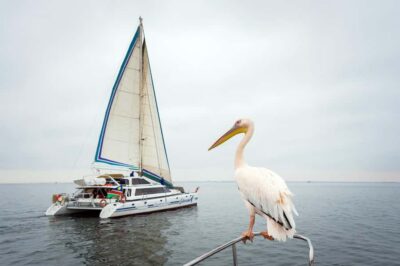
Walvis Bay: Marine Big 5 Luxury Catamaran Tour
Read our review →
Swakopmund: Desert Dunes Quad Biking with Optional Sandboard
Read our review →
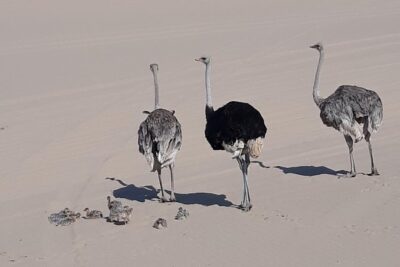
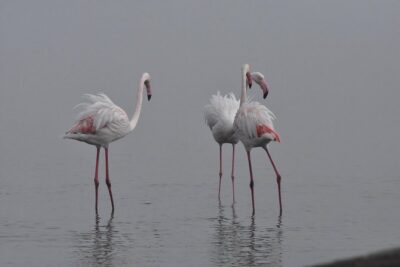
Sandwich Harbour Adventure: Seals and Sandwich harbour dune drive
Read our review →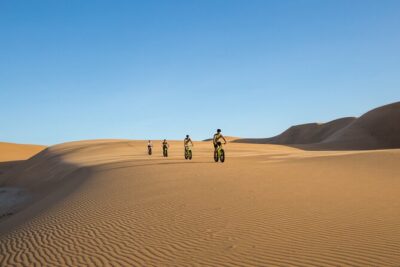
Swakopmund: Little Five Desert Wildlife Quad Biking Tour
Read our review →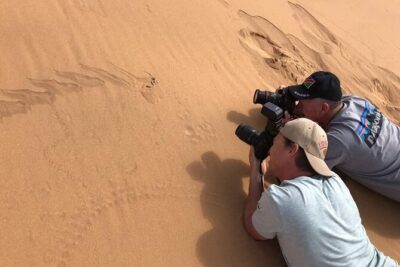
Browse the lists this tour appears in