

Reviewed · SWAKOPMUND
Explorer Historical Private Township Cultural Tours
Mondesa is not a place you simply look at from a tour vehicle. This people-first visit takes you through its streets, market, homes, schools and taverns, with local food, music and lessons in Damara click language along the way.
I like the personal format for two reasons: your group has a local guide, and the tour connects everyday life with Namibia’s Ovambo, Damara, Herero and Ovahimba cultures. I also like the home-cooked meal and choir performance, which give the afternoon a human touch. The main caution is timing. One past booking describes a late pickup and a shorter-than-expected visit, so confirm the start time and planned length before setting your day around it.
Key points to know
- Mondesa on foot: Walk local streets rather than viewing the township only through a vehicle window.
- Guide Nande: Your local guide leads the market visit and explains community life and Namibian cultures.
- Damara click lesson: Learn words and sounds from the Damara language, including Uuharapo.
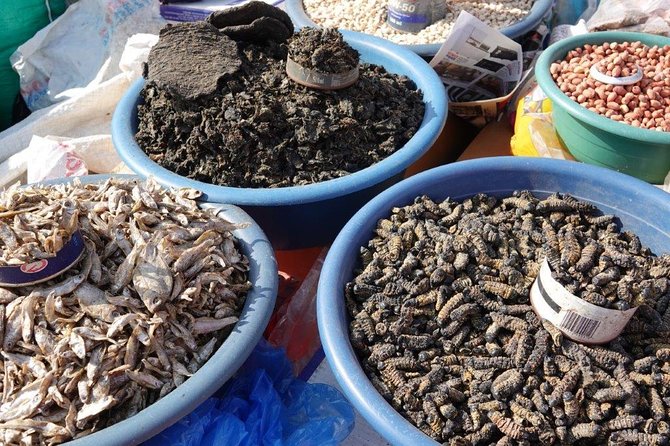
- Home cooking: Eat a meal prepared in a local family home, with mopane worms among the foods introduced.
- Tavern stop: Have a local beer at a shebeen or tavern and meet people from the community.
- Music to finish: A choir from Mondesa performs at the end of the tour.
Why Mondesa offers a different view of Swakopmund

Swakopmund is famous for German colonial buildings, ocean air and desert excursions. Those are worthwhile, but they show only one part of the town. Mondesa, a township community on the edge of Swakopmund, gives you a closer look at ordinary life in Namibia today.
This tour is built around conversation and contact. You walk the streets, see children at play, pass houses and sidewalk barbecues, and stop at places where residents gather. That makes the experience more direct than a standard town sightseeing loop.
You should approach it with respect. This is a lived-in community, not a stage set. The tour includes opportunities to take photographs of children and houses, but always ask before raising your camera. A friendly greeting and a little patience will take you further than treating the neighborhood as a photo backdrop.
The idea of Ubuntu, or shared humanity, is part of the experience. You hear it through the people you meet, the food served at a family home, the local beer stop and the choir performance. The value is not in checking off monuments. It is in spending time with a community through several small, connected encounters.
More history tours in Swakopmund:
- Swakopmund Best Cultural Historical Township Tours Namibia
★ 5.0 · 8 reviews - City Tour of Historical Swakopmund
★ 5.0 · 8 reviews - Half Day Swakopmund Cultural Historical Township Tour
★ 5.0 · 4 reviews
Four hours with guide Nande
Pickup is offered from accommodation in and around Swakopmund. The listed start time is 10:00 a.m., with morning and afternoon departures available when booking. The tour is private, so only your own group takes part. The price is $120 per group of up to two people, not per person.
For two people, that works out to $60 each. That is not a budget outing, but the cost includes transport, a private guide, a market visit, a tavern stop, a local meal, cultural activities and live music. There is also no entrance fee to add.
Guide Nande is named as the local guide for the market and community visit. Having one guide throughout matters here because the experience moves between several settings. You want someone who can explain the difference between a market stop, a family meal and a cultural presentation without making the visit feel like a string of unrelated attractions.
The advertised duration is about four hours. Build in a little flexibility around that. One past booking involved a pickup several hours late and a tour shortened to three hours, with activities compressed to fit another booking. That is a serious concern if you have a flight, cruise departure or another paid excursion afterward. I would confirm the pickup time directly and ask how long the full visit is expected to last.
The Mondesa market and the first conversations
The open market is a useful starting point because it places you in the middle of local trade. You can look at goods, take souvenir photographs and begin to see how people buy, sell and socialize in the township.
A local guide gives the market more meaning than a quick walk through stalls. Ask questions as you go. The tour is designed to introduce you to several Namibian communities, including the Ovambo, Damara, Herero and Ovahimba peoples. Those names are not interchangeable, and the explanations can help you understand that Namibia contains many distinct cultural traditions.
The market is also one of the places where you should be careful with photography. Ask before photographing people, especially children. The tour information specifically refers to pictures of children and houses, but permission remains the sensible rule.
You may find this stop less polished than a craft shop aimed only at tourists. That is part of its purpose. You are seeing a working community market, not a carefully arranged showroom.
Walking the streets of Mondesa
The walking section is the heart of the tour. You hear children at play, smell food cooking outdoors and see homes and streets at close range. A vehicle can carry you through a township, but walking lets you notice the details that pass too quickly behind glass.
The tour also visits schools and a kindergarten. The stated aim is to spend time with children in the community. Bring an open, respectful attitude, and follow your guide’s lead about where to stand, what to photograph and how to interact.
The request to bring sweets for the children is included in the tour information. If you choose to do so, keep the gesture modest and let the guide advise you. You do not need to turn the visit into a handout exercise. The strongest part of the stop is the human contact and the chance to understand community life, not the sweets themselves.
The walking requires a moderate level of fitness. You should be comfortable spending part of four hours on your feet and moving through ordinary streets rather than paved museum paths. Exact walking distances are not provided, so wear practical shoes and dress for the weather.
A few more Swakopmund trips worth a look
- Walvis Bay: Marine Big 5 Luxury Catamaran Tour
★ 4.8 · 1,012 reviews - Swakopmund: Desert Dunes Quad Biking with Optional Sandboard
★ 4.9 · 590 reviews - Walvis Bay and Sandwich Harbour Tour
★ 4.8 · 483 reviews - Scenic Sandwich Harbour Tour
★ 5.0 · 277 reviews
Herero and Himba culture in a local setting
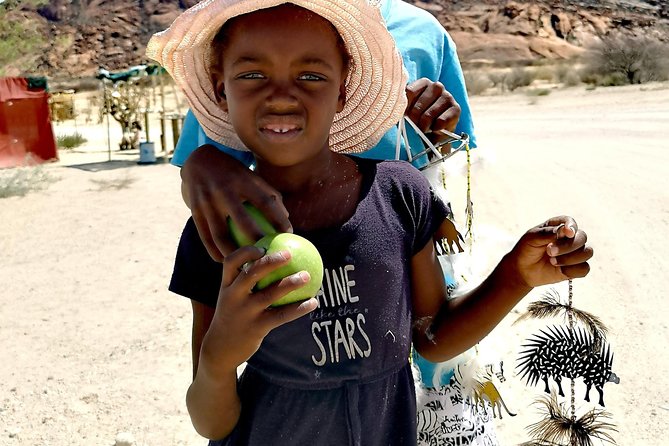
The cultural explanations cover Herero and Himba traditions as well as the Damara and Ovambo peoples. This is valuable because Namibia is often reduced to wildlife, dunes and colonial towns. The tour gives you a people-centered introduction instead.
The experience is not described as a museum visit with a large collection of objects. Instead, cultural information is tied to conversations, community projects and the people you meet. You might find that approach more memorable than a short display panel, though the amount of detail will depend on the guide and the time available.
Keep your expectations realistic. Four hours is enough for an introduction, not a full study of four major cultural groups. If you want specialist anthropology, this is probably not the right format. If you want a personal starting point for understanding Namibia, it makes more sense.
Learning Damara click language
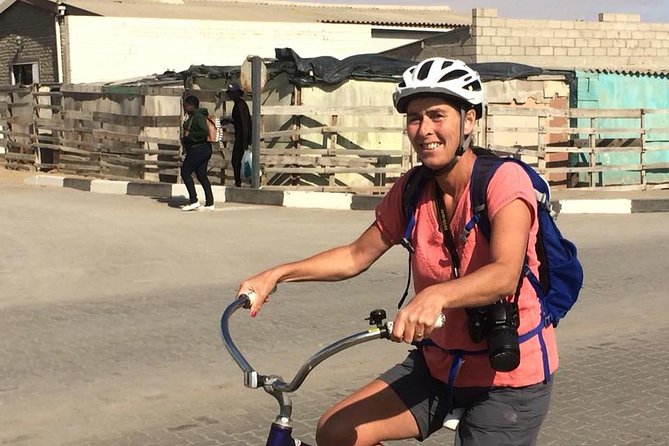
One of the most unusual features is the lesson in Damara click language. The Damara language is known for its click sounds, and the tour gives you a chance to try them with local instruction.
The lesson includes learning to say Uuharapo. Do not worry about getting it right immediately. The point is to listen, try and share a laugh when your mouth refuses to cooperate. A greeting in the local language can also make later conversations feel less formal.
This short language session adds something that a general sightseeing tour usually lacks. You are not just hearing about Damara culture. You are using your voice and paying attention to sounds that may be new to you.
The session should be treated as a brief introduction, not a full language class. The supplied details do not state how long it lasts or how advanced the teaching is. Expect a hands-on cultural moment rather than a structured course.
The craft center and community projects
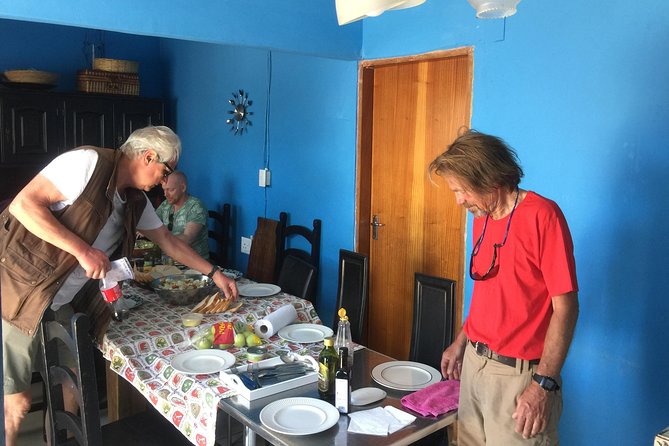
The tour includes community arts and crafts projects. These stops can show how creative work supports local identity and may give you a chance to buy a souvenir directly from a community setting.
I prefer this kind of purchase to grabbing a generic item at the end of a sightseeing day. You can ask who made the piece, what materials are used and where the money goes. The details will vary, so let your guide explain the project rather than assuming every craft has the same background.
The crafts stop also breaks up the walking and conversation. You get time to look closely, meet people involved in local projects and take home something with a connection to Mondesa.
A local beer at a shebeen
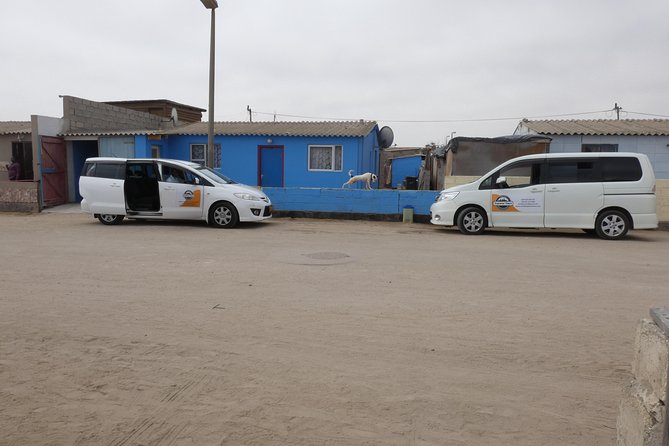
The tavern stop brings you into a different part of township life. You can enjoy a local beer at a shebeen or tavern and spend time with local people. This is a social stop, not simply a tasting session.
If you drink, take it slowly. The tour still has a meal, cultural activities and a performance ahead, and the day is more enjoyable when you remain alert. If you do not drink alcohol, the supplied details do not specify an alternative, so ask when booking what the stop will involve.
This part of the tour may feel more informal than the market or crafts center. That is its strength, but also a reason to follow your guide’s direction. You are entering a local gathering place, so polite behavior matters.
Mopane worms and a family-prepared meal

Food is one of the clearest ways to experience a place. The tour ends its community visits with a meal prepared in a local family home. The details do not specify the full menu, but mopane worms are named as one local food you may encounter.
Mopane worms are a traditional Southern African food and may be unfamiliar to many visitors. You can ask what is being served and decide what you feel comfortable trying. The meal is not just a box lunch. It gives you a chance to see hospitality in a family setting and learn how food fits into daily life.
The home visit is likely to be one of the most personal parts of the day. It also means you should not expect restaurant service, a printed menu or a quick meal between attractions. Give the setting the same respect you would give a meal in someone’s home anywhere.
Dietary information is not provided. If you have allergies, follow a special diet or cannot eat certain ingredients, contact the operator before booking and ask what can be arranged.
Ending with a Mondesa choir
The final activity is a live performance by a local choir from Mondesa. Ending with music gives the tour a clear sense of occasion after the more casual market, street and tavern stops.
A choir performance also connects with the tour’s wider focus on community. Music is not presented as a separate concert at a formal venue. It comes from the same place and people you have been learning about throughout the visit.
The exact length and style of the performance are not specified. Think of it as a local cultural presentation rather than a full evening concert. It is a fitting finish, but your overall impression will depend on the timing of the day and how much time the group has at each stop.
What the $120 private price really buys
The private format is the main reason to consider the price. For up to two people, you are not sharing the vehicle or schedule with a large group. You can ask more questions, spend longer at a stop when the timing allows and speak directly with your guide.
At $120 per group, the value is strongest for a couple, friends traveling together or anyone who wants a personal introduction to Mondesa. A solo visitor pays the full group price, so the cost per person is higher.
The tour also bundles several elements that would be difficult to arrange independently: pickup, a guide, introductions in the community, a family meal and a choir performance. It is not a cheap way to spend a morning, but it is more than a simple drive through the township.
The value drops if the schedule is cut short. Because one past booking describes a three-hour visit instead of the expected length, I would make the duration clear before the day begins. If you receive a late pickup, ask how the missing time will be handled rather than accepting a rushed sequence of stops.
Who will enjoy this tour most
I would choose this tour if you want personal contact, local food and a look at daily life beyond Swakopmund’s better-known sights. It suits couples and small private groups who enjoy asking questions and are comfortable with a flexible community setting.
It also fits a first visit to Namibia. The introduction to several cultural groups gives you useful background before you continue to other parts of the country.
You may want another option if you prefer formal museums, fixed schedules or a quiet sightseeing vehicle. The tour includes walking, social contact, a school and kindergarten visit, a tavern and a family home. Those settings require curiosity and good manners.
English is the standard tour language. French and German-speaking options can be requested at booking, but you should confirm availability before paying.
Booking advice and cancellation terms
The experience is often reserved well ahead, with an average booking lead time of 54 days. If your Swakopmund dates are fixed, do not leave it until the last minute.
Pickup is offered in and around Swakopmund, and the listed start time is 10:00 a.m. Confirmation is provided at booking. The tour requires good weather and a minimum number of participants, even though the activity itself is private to your group.
You can cancel for a full refund up to 24 hours before the local start time. Changes or cancellations inside that window are not refunded. If poor weather or an insufficient number of participants causes the operator to cancel, you are offered another date or experience, or a full refund.
Should you book the Mondesa cultural tour?
Book it if you want to meet local people, eat food in a family home, hear community music and learn a few Damara clicks. The market, street walk, tavern, crafts projects and choir give the four hours a good range of experiences, while the private format keeps the day personal.
Before booking, confirm the pickup time, expected duration and language option. That small step matters because a past booking was badly compressed after a late pickup. If the operator can keep the schedule as planned, this is a useful, direct way to see a side of Swakopmund that standard sightseeing does not show.
FAQ
Where does the tour take place?
The tour takes place in Mondesa Township, with pickup offered from accommodation in and around Swakopmund.
How long does the experience last?
The tour lasts approximately four hours. The listed start time is 10:00 a.m., and morning and afternoon departure options are available when booking.
How much does the tour cost?
The price is $120 per group of up to two people.
Is the tour private?
Yes. Only your group participates in the private activity.
What language is the tour conducted in?
The standard tour language is English. French and German-speaking options can be requested at booking.
What is included in the visit?
The experience includes accommodation pickup, a guided market visit, a walk through Mondesa, a tavern stop with local beer, visits to schools and a kindergarten, cultural explanations, a crafts project, a Damara click-language lesson, a local family meal and a live choir performance.
Just added around Swakopmund
- 5 days Sossusvlei, Swakopmund and Spitzkoppe Camping★ 4.5 · 3 reviews
- 4 day Sossusvlei and Swakopmund Lodging★ 3.0 · 3 reviews
- Unforgettable Half Day Adventure, Explore Sandwich Harbour★ 5.0 · 3 reviews
- Spitzkoppe – Day Tour to the Spitzkoppe Mountain from Swakopmund★ 5.0 · 3 reviews
- Full-Day Tour in Namib Desert from Swakopmund, Namibia★ 5.0 · 3 reviews
- Spitzkoppe : via Zeila Shipwreck★ 5.0 · 3 reviews
- Pelican Point Peninsula Tour★ 5.0 · 3 reviews
- Walvis Bay Shore Excursion: Flamingos, Dune 7, Swakopmund★ 5.0 · 3 reviews
Swakopmund Tours, compared.
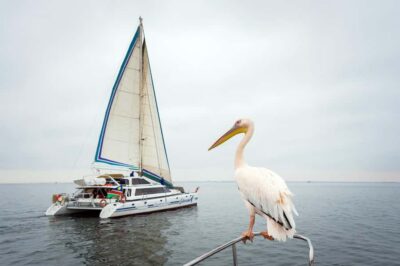
Walvis Bay: Marine Big 5 Luxury Catamaran Tour
Read our review →
Swakopmund: Desert Dunes Quad Biking with Optional Sandboard
Read our review →
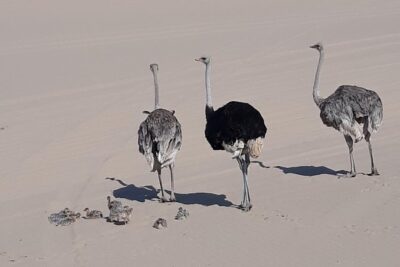
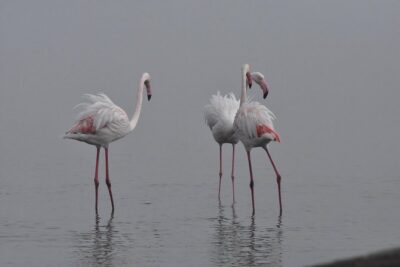
Sandwich Harbour Adventure: Seals and Sandwich harbour dune drive
Read our review →
Swakopmund: Little Five Desert Wildlife Quad Biking Tour
Read our review →
Browse the lists this tour appears in