
Reviewed · WINDHOEK
Discover the Roots of N/a’ankuse – A feeding Day Tour
The most unusual part of this outing is also the detail you need to understand before booking: this is a feeding tour, not a game drive. From Windhoek, you ride to N/a’an ku sê and watch the guide feed several predator species while explaining how the animals came to live at the sanctuary.
I like the small group of no more than five, which should make it easier to hear the guide and ask questions. I also like the chance to hear cheetahs purr, a detail one guest specifically enjoyed, along with the scenic drive and the conservation message. The main caution is value: at $180 per person, the tour can feel expensive if you expect a long wildlife drive or a large number of animals.
Key points
- Feeding session rather than a traditional safari: The animals are fed while the guide explains their backgrounds and the sanctuary’s work.
- Possible sightings of major predators: Cheetahs, caracals, African wild dogs, leopards, and baboons may be part of the experience.
- Small-group format: The group is limited to five people, useful for listening, photography, and questions.
- Hotel transfers from central Windhoek: Pickup and drop-off are provided at the Avani Windhoek Hotel & Casino or Hilton Windhoek.
- Six-hour outing: Pickup is scheduled for 08:30, with a return to Windhoek at about 14:00.
- A costly but focused introduction: The price includes transport, drinks, and the guided sanctuary visit, but the value depends on how much you want a close look at feeding and conservation.
The important distinction: this is not a game drive
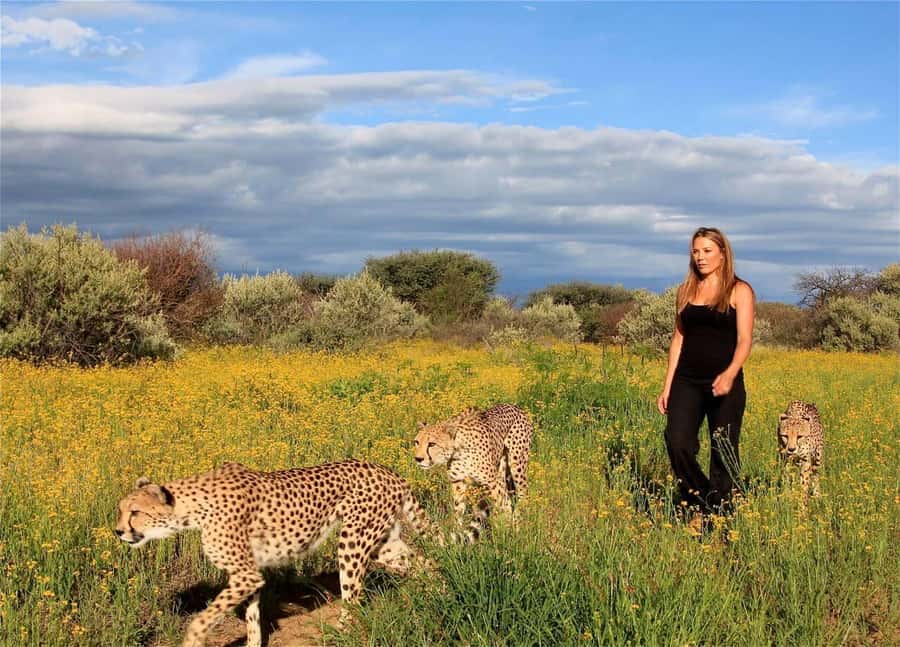
Many people hear about cheetahs, leopards, wild dogs, and caracals and picture a vehicle moving through open country in search of animals. That is not the format here. N/a’an ku sê’s feeding tour takes you to animals at the sanctuary during their feeding session.
That difference matters. You are not being promised a set of roaming wildlife sightings, and you should not judge the outing by the same standard as a full-day safari. The animals are fed by the guide, who also explains how they reached the sanctuary and why they cannot simply be released or left to fend for themselves.
I see this as an educational wildlife visit with a scenic drive attached. You get a closer look at the animals and their stories, but less of the uncertainty and wild searching that make a classic game drive exciting.
The description lists baboons, caracals, cheetahs, African wild dogs, and leopards among the animals you may encounter. It also notes that other animals can roam freely in the reserve, so you might see additional wildlife along the route or during the visit. Still, animal sightings are not presented as guaranteed, and one account found the number of animals limited.
A few more Windhoek trips worth a look
- Windhoek: City and Township Tour
★ 4.8 · 430 reviews - Half-Day Windhoek City and Township Cultural Tour
★ 4.5 · 187 reviews - Windhoek: Bushman Walk with the San
★ 4.9 · 145 reviews
Leaving Windhoek at 08:30
The day begins with pickup at either the Avani Windhoek Hotel & Casino or the Hilton Windhoek. Return transport is included, so you do not need to arrange a separate rental car or negotiate a taxi to reach the sanctuary.
The drive from Windhoek is part of the experience. You pass through open Namibian scenery on the way to N/a’an ku sê, with the chance to keep watch for animals outside the main feeding sessions. The information provided does not give a precise route length, road surface, or vehicle type, so you should treat the journey as a transfer with scenic value rather than a separate safari drive.
A morning departure is sensible in Namibia, where heat can affect comfort later in the day. Bring a charged smartphone and your camera. Drinks are included, which is useful during a warm outing, though you should not assume that meals or lunch are part of the price. One account described lunch as acceptable, but the listed inclusions do not promise a meal, so confirm this before relying on it.
The vehicle ride may be less comfortable for anyone prone to motion sickness. This outing is also not suitable for people with mobility impairments, according to the activity information. Those are not minor footnotes: you spend part of the day on transport and need to manage the sanctuary visit without mobility support being specified.
Arriving at N/a’an ku sê Lodge
The main stop is N/a’an ku sê Lodge, where the guided portion takes place. The schedule gives about 2.5 hours for the guided tour, while the included description refers to roughly 3 to 3.5 hours for the N/a’an ku sê tour. That slight difference is worth noting when planning the day, but the full experience is advertised as six hours from Windhoek and back.
The lodge visit gives the outing its purpose. Instead of simply watching animals from a vehicle, you learn about the sanctuary’s conservation work and the difficult histories behind some of its residents. The guide feeds the animals and tells you how they came to be at N/a’an ku sê, turning each feeding stop into a lesson about rescue, care, and the limits of returning wildlife to the wild.
That personal context is one of the strongest reasons to choose this tour. A cheetah is not just a distant spotted animal on the horizon. You hear why a particular animal may need human care, and you begin to understand the work involved in protecting predators that have been injured, orphaned, or otherwise become dependent on a sanctuary. The supplied details do not identify the guide by name, but the tour is conducted in English by a live guide.
Meeting cheetahs, caracals, and wild dogs
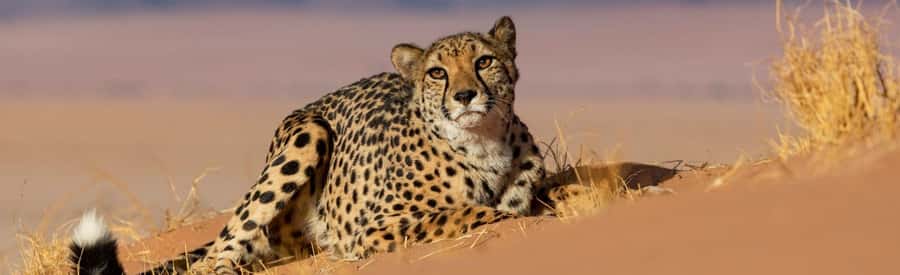
The animal list gives this outing real appeal. Cheetahs are likely to be the star for many people, especially after hearing that a visitor experienced the unusual sound of one purring. That is a reminder that a feeding visit can reveal behavior and sounds you might miss from a distant safari vehicle.
Caracals offer a different kind of interest. They are less familiar to many first-time visitors than cheetahs or leopards, and seeing one in the context of a conservation program can add useful detail to your understanding of Namibia’s smaller predators.
African wild dogs are another major draw. They are among Africa’s most distinctive predators, and a guided feeding session lets you focus on their behavior rather than simply hoping to spot them briefly in tall grass. Leopards and baboons are also listed as possible encounters, though the information does not promise that every species will appear during every departure.
You should keep your expectations measured. The activity description says you may encounter these animals, not that all five species will be present or active. Feeding times can help with visibility, but they do not guarantee a full roster of animals, close photographs, or dramatic action.
Same country, a completely different kind of day:
- 6-Day Dunes and Wildlife Accommodated Safari from Windhoek
★ 5.0 · 123 reviews - Windhoek City Tour
★ 5.0 · 113 reviews - 10-Day Namibia Highlights Guided Tour from Windhoek
★ 5.0 · 78 reviews - 12 Day Classic Namibia Camping Safari
★ 5.0 · 77 reviews
What the feeding session adds
The feeding session gives the guide a natural point at which to explain the animals. As food is provided, you can watch how each species reacts and listen to the reasons behind its presence at the sanctuary.
This is also where the conservation message becomes more concrete. N/a’an ku sê’s work is not presented as a simple animal attraction. The tour introduces the organization’s mission and shows how care, protection, and public education fit together. You leave with more context than you would get from simply photographing predators behind a barrier.
I appreciate that the tour does not hide its format. The feeding is part of the experience, and the explanation is central. That makes it a good choice for someone who wants to learn about wildlife rescue, rather than someone focused only on covering as much territory as possible.
At the same time, some people may find the setup less natural than a safari sighting. The animals are gathered for food, and the guide is actively involved. If your ideal wildlife experience means waiting quietly for an unpredictable encounter, this may feel managed and structured.
Small group, better access to the guide
With a maximum of five participants, the group size is a real advantage. A small group can make a major difference during an animal talk. You should be able to hear the English-speaking guide more clearly, follow the explanations, and ask questions without competing with a busload of people.
It can also help with photography. You will still need to follow the guide’s instructions and respect the animals, but fewer people around you generally makes it easier to find a viewing position. The information does not specify photography rules beyond recommending a camera, so do not assume that every position or lens is permitted.
A small group does not turn this into a private tour. Other people will be present, and the experience follows a set feeding schedule. Still, a five-person limit is considerably more personal than a large coach outing and helps justify some of the price.
The strongest praise concerns the guide’s friendly and professional approach. One German-speaking visitor gave a clear recommendation and found the guide both friendly and well informed. Another praised the pickup service. Since no guide name is provided, you cannot request a particular person in advance, but the human side of the tour appears to be one of its better features.
Is $180 per person fair?
The price is $180 per person. That is a serious amount for a six-hour activity, especially when the sanctuary visit itself takes around 2.5 to 3.5 hours and the outing is not a full game drive.
The price includes hotel pickup and drop-off in Windhoek, return transport, the guided N/a’an ku sê visit, and drinks. Those inclusions matter if you are staying at one of the two named hotels and would otherwise need to arrange transport. For a solo visitor or a couple without a rental car, the convenience has genuine value.
The small group also improves the calculation. You are paying for a limited-capacity experience rather than a standard large-group transfer. The conservation focus, English-speaking guide, and access to several predator species add more value for people who want an organized introduction to N/a’an ku sê.
Still, this is not an automatic bargain. One person considered it beautiful but very expensive, while another found there were not many animals for the cost. If your main goal is maximum wildlife numbers or a long search through the reserve, you may feel shortchanged.
I would book it at this price if I had limited time in Windhoek, did not have a vehicle, and cared about predator conservation. I would think twice if I had already scheduled a larger safari or if I wanted an entirely wild, unscripted animal encounter.
Heat, comfort, and what to bring
Namibia can be hot, and one person found the weather very warm during the visit. Wear comfortable clothing and bring your camera and a fully charged smartphone. The operator lists drinks as included, but it remains sensible to ask what is provided if you need more water during the day.
Motion sickness is a specific concern. The trip involves a drive from Windhoek and a return drive, so anyone who gets queasy in vehicles should plan carefully or choose another activity.
Drones are not allowed, and explosive substances are prohibited. The drone rule is especially relevant if you are carrying camera equipment for a Namibia trip. Keep your kit simple and follow the sanctuary’s instructions around the animals.
The experience is not suitable for people with mobility impairments. No detailed accessibility arrangements are provided, so you should contact the operator before booking if you need step-free access, help entering the vehicle, or other assistance.
Who will enjoy this tour most?
I would recommend it most strongly to first-time visitors who want a manageable introduction to N/a’an ku sê from Windhoek. The hotel transfer removes much of the planning, and the small group keeps the visit focused.
It also suits people who care about conservation and want to understand the background of rescued predators. The feeding session gives you a reason to watch closely, while the guide’s explanations help connect the animals to the sanctuary’s broader mission.
Families with older children may find the predator encounters memorable, though the data does not specify a minimum age or child pricing. Because the tour is six hours and includes vehicle travel, you should make sure everyone in your party is comfortable with the duration.
Photography-minded visitors may enjoy the chance to see animals during feeding, but no particular photographic conditions are promised. You might get strong moments, such as hearing a cheetah purr, but you should not book this solely for a guaranteed portfolio of close-up images.
It is less suitable for people who want a traditional safari, people who dislike organized feeding sessions, and anyone who finds vehicle travel uncomfortable. The distinction is simple: choose this for access and explanation, not for a day of tracking wild animals.
Booking flexibility and timing
The advertised schedule runs from an 08:30 pickup to a return around 14:00, giving you a half-day outing that fits well with other Windhoek plans. The exact starting time should be checked when you select your date, since availability controls the departure options.
You can cancel up to 24 hours in advance for a full refund. A reserve-now-and-pay-later option is also available, so you can hold a place without paying immediately. These policies are useful if your Namibia schedule is still changing, but they do not alter the central question of value.
The tour is offered in English. If clear explanation is important to you, an English-speaking live guide is part of the experience. The group limit of five is fixed in the activity information, so booking early may matter during busy periods.
Should you book Discover the Roots of N/a’an ku sê?
Book this tour if you want a focused conservation visit, reliable transport from Windhoek, and a small-group feeding session with the chance to see major African predators. The guide’s friendly approach, the chance to hear cheetahs purr, and the stories behind the animals add substance beyond a quick photo stop.
Skip it if you expect a classic game drive, guaranteed sightings of every listed species, or strong value based only on hours and animal numbers. At $180, the experience needs to match your interests.
My call: this is a worthwhile choice for a first introduction to N/a’an ku sê, especially without a rental car. Go in knowing exactly what you are buying: a guided feeding and conservation experience, not a wild search across the reserve.
FAQ
Where does the tour begin?
Pickup is available from the Avani Windhoek Hotel & Casino or the Hilton Windhoek.
What time is hotel pickup?
Pickup is scheduled for 08:30 in the morning.
What time does the tour return to Windhoek?
The return is scheduled for around 14:00.
How long is the full experience?
The full outing lasts about six hours, including transport between Windhoek and N/a’an ku sê.
Is this a game drive?
No. It is a feeding tour. The guide feeds the animals and explains how they came to live at the sanctuary.
Which animals might I see?
Possible animals include baboons, caracals, cheetahs, African wild dogs, and leopards. Other animals may also roam freely in the reserve.
How large is the group?
The group is limited to five participants.
What language is the tour conducted in?
The live guide conducts the tour in English.
Are drinks included?
Yes. Drinks during the tour are included.
What should I bring?
Bring a camera and a charged smartphone. Drones and explosive substances are not allowed.
Is the tour suitable for people with mobility impairments?
No. The activity is listed as unsuitable for people with mobility impairments.
Can I cancel the booking?
Yes. You can cancel up to 24 hours in advance for a full refund. A reserve-now-and-pay-later option is also available.
Just added around Windhoek
- From Windhoek: 3-Day Sossusvlei Shared Shuttle Tour★ 3.8 · 3 reviews
- Windhoek: Katutura Township Tour with Local Guide★ 3.5 · 3 reviews
- Knight Vibes: Bars, Shebeen, Clubs Crawl Windhoek★ 5.0 · 3 reviews
- 3 day Sossusvlei Camping★ 5.0 · 3 reviews
- 10 DAYS BEAUTY OF NAMIBIA | Guided Lodge★ 5.0 · 3 reviews
- Windhoek: City & Township tour. Vehicle, guide, kapana★ 4.2 · 4 reviews
- Predator Encounter: Half-Day Carnivore Feeding Windhoek★ 4.0 · 5 reviews
- Airport Transfers★ 5.0 · 5 reviews
Windhoek Tours, compared.
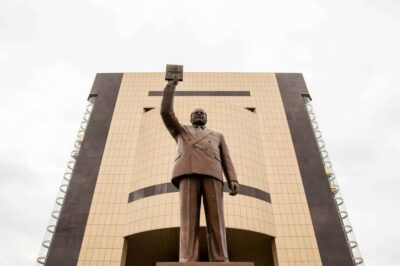
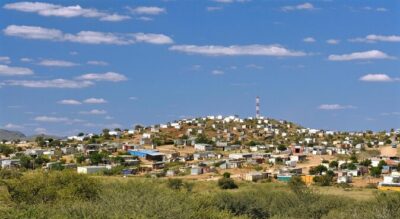
Half-Day Windhoek City and Township Cultural Tour
Read our review →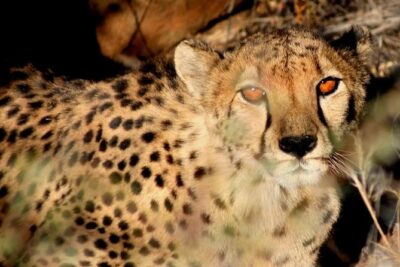
6-Day Dunes and Wildlife Accommodated Safari from Windhoek
Read our review →10-Day Namibia Highlights Guided Tour from Windhoek
Read our review →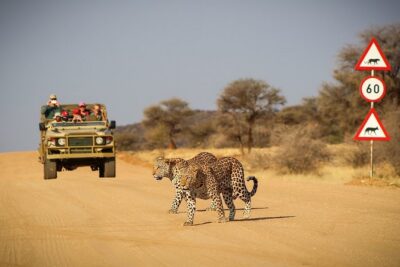
Namibia Self-Driving Audio Guide (in English & German)
Read our review →
Traditional Cooking Class – Mahangu pap for beginners
Read our review →Browse the lists this tour appears in