
Reviewed · WINDHOEK
City Tour of Windhoek Namibia
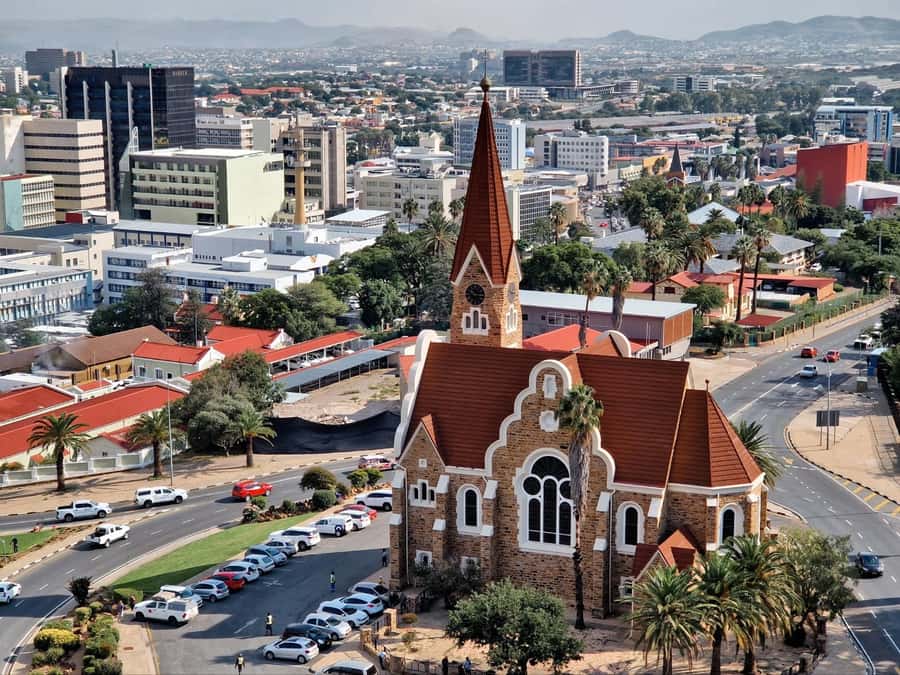
Windhoek’s story comes into focus when you move from Christuskirche and colonial-era buildings to Katutura Township, where everyday Namibian life gives the capital its human scale. This three-hour private tour links the city center, museums, historic sites, and a local food tasting without asking you to plan the route yourself.
I like the balance between well-known sights and the Katutura degustation, and I like that guides such as Betty and Merrin have been praised for making Namibia’s past easy to follow. The main drawback is the tight schedule: three hours is enough for an introduction, but not enough for a slow museum visit, extended shopping, and a long township stop.
Key points at a glance
- Three hours from Windhoek to Windhoek: The tour begins and ends in the capital, making it easy to fit around other plans.
- Private English-speaking guide: You get a private group rather than a large shared outing, with guides including Betty and Merrin named in recent bookings.
- Katutura with a local tasting: The township visit adds a food and community element to the historical sightseeing.
- Colonial and independent Namibia together: Christuskirche, Alte Feste, Tintenpalast, and the Independence Museum show different chapters of the city’s past.
- Entrance fees and bottled water included: The $84 price covers more than transport around town, though personal purchases and optional activities cost extra.
- A strong history focus: This suits you best if you want context, not just photo stops.
Windhoek in three hours: a useful first look
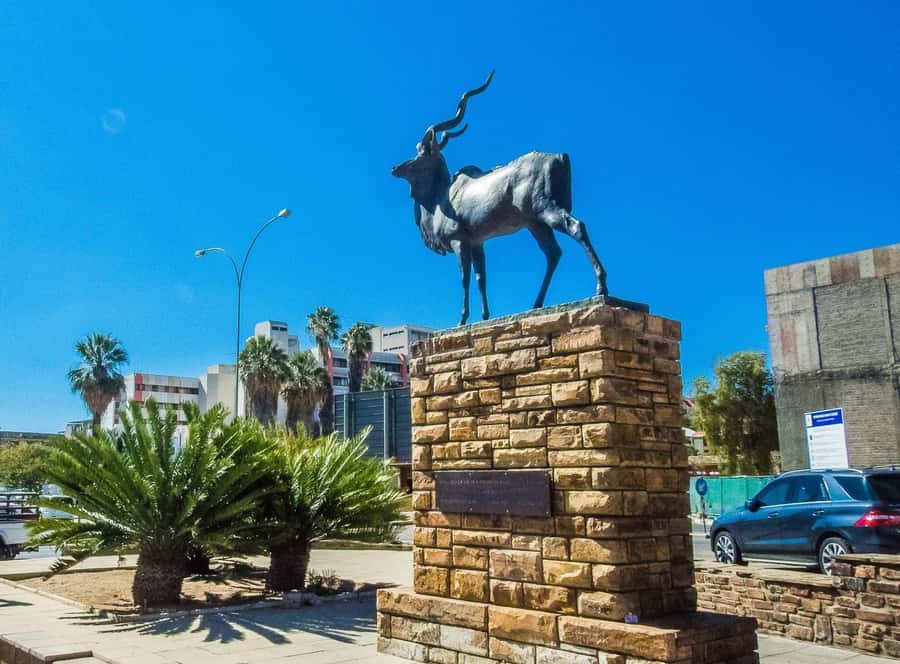
Windhoek can feel like a gateway rather than a destination when you first arrive in Namibia. This tour helps correct that impression. In a short circuit, you see the capital as a place shaped by German colonial rule, Namibian independence, African urban life, and modern commerce.
The route starts with pickup in Windhoek and returns to Windhoek after about three hours. The exact balance between driving, walking, museum time, and photo stops can depend on the day, so you should think of this as a guided orientation rather than an exhaustive city visit.
That distinction matters. If you have only a short stay in the capital, the tour gives you a useful framework for understanding what you see later. If you have several days, it can help you decide which places deserve a second, slower visit.
A private group is especially useful here. You can ask why a building matters, pause over a detail, or request a little more time at a particular stop. The tour is conducted in English, and the guides Betty and Merrin have been singled out for their warm, history-focused approach.
More Windhoek city tours:
- Windhoek: City and Township Tour
★ 4.8 · 430 reviews - Half-Day Windhoek City and Township Cultural Tour
★ 4.5 · 187 reviews - Windhoek: Bushman Walk with the San
★ 4.9 · 145 reviews
Christuskirche and the city’s German-era center
Christuskirche is one of Windhoek’s best-known landmarks and a natural starting point for discussing the city’s colonial past. Its appearance reflects the German influence that shaped parts of Windhoek’s architecture, and it provides an immediate visual contrast with the African character of the capital around it.
Expect this stop to include sightseeing and photography rather than a long, quiet architectural study. That is fine for a first visit. You get the key image, hear why the church matters, and then move on to the wider city center.
The nearby central streets bring a more practical side of Windhoek into view. Independence Avenue is lined with shops, cafés, and places selling local crafts and souvenirs. I like this part of the tour because it connects formal history with the city you actually experience today.
You may have time for a short walk, but do not assume the tour includes a dedicated shopping session. Personal purchases are not included, and the three-hour clock keeps the route moving. If you see a craft or souvenir you want, ask your guide how much time is realistic before stopping to browse.
Tintenpalast, Alte Feste, and the road to independence
The Tintenpalast, home to Namibia’s parliament, adds a political dimension to the tour. It helps you move beyond architecture and consider how Windhoek functions as the country’s capital today.
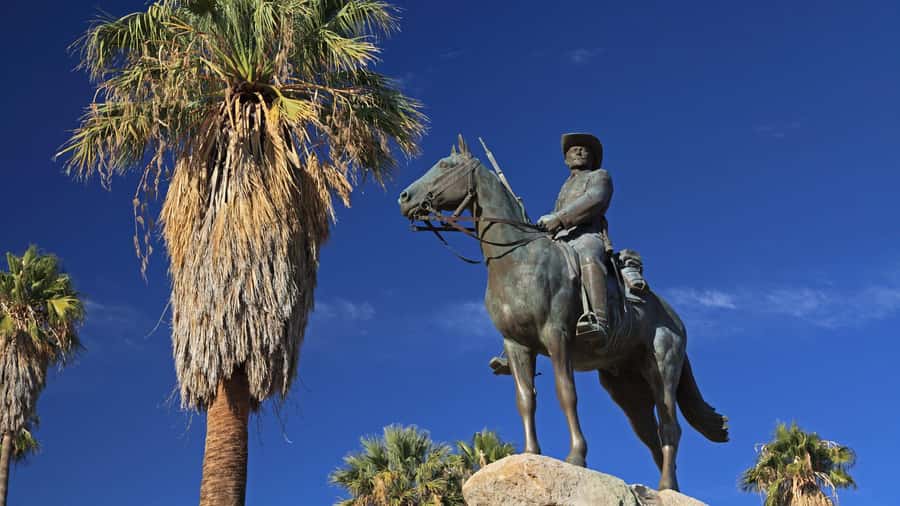
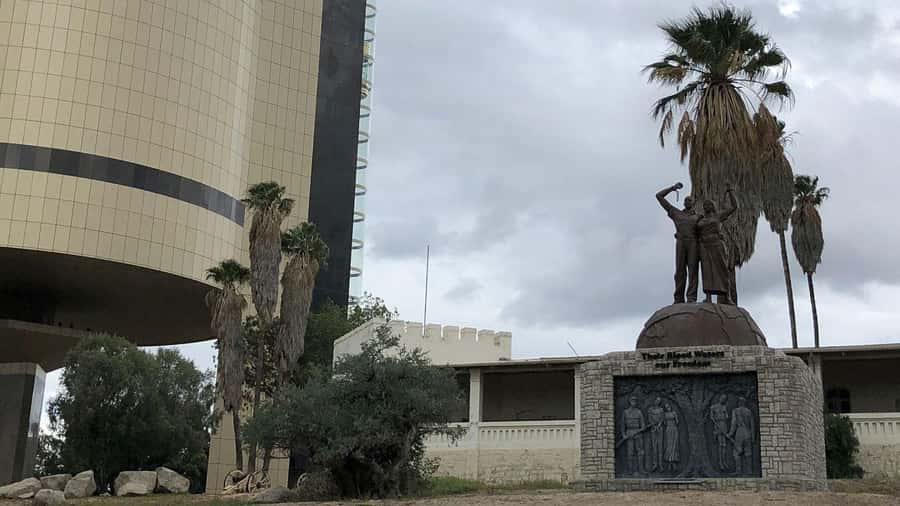
Alte Feste offers another layer. The former fortress is tied to the colonial period and now serves as a museum site connected with Namibia’s past. Together, these places can make the city’s political changes easier to understand: colonial administration, contested power, and the creation of an independent nation.
The Independence Museum is central to that story. Its displays focus on Namibia’s path toward independence and give the tour a stronger national context than a simple drive around central Windhoek would provide.
Entrance fees are included, which is a useful detail at this price. You are not constantly reaching for cash when moving between the main paid sites. Still, the tour’s short duration means you may not have time to read every display or examine every object carefully.
I would treat the museums as a guided introduction. Listen for the main themes, ask questions, and note which subjects you want to explore later. If museums are your main reason for booking, you may want to return independently for more time.
The Train Station Museum and smaller historical details
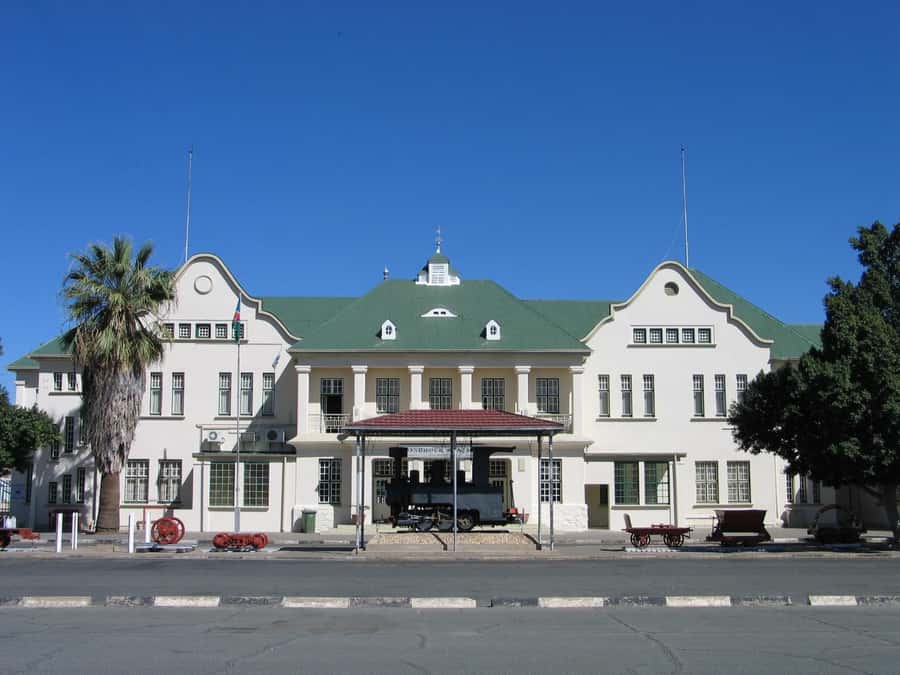
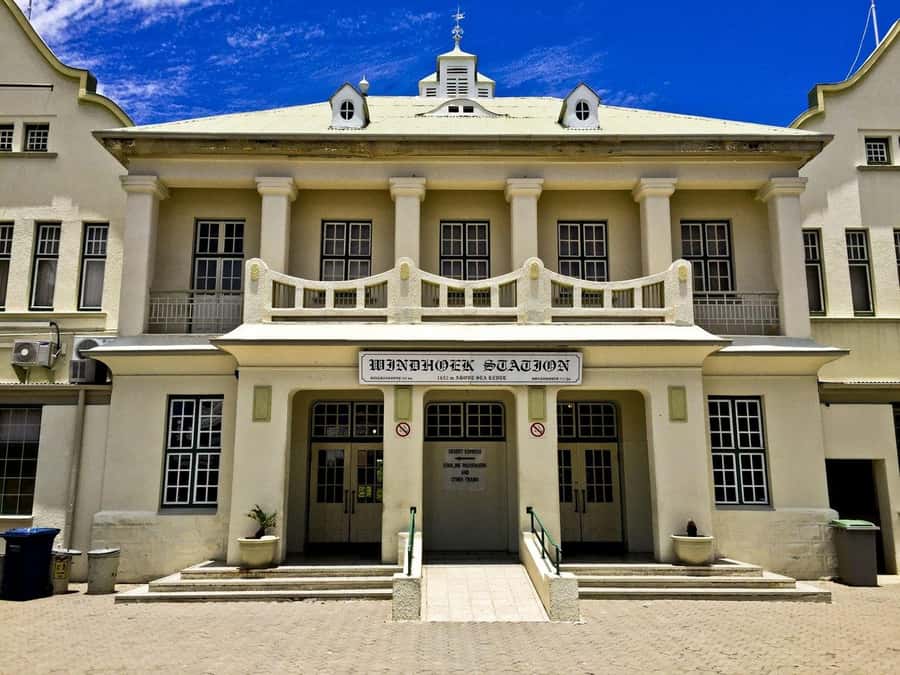
The Train Station Museum brings transport and communication into the city’s story. Railway buildings often explain how a colonial city was connected to the wider region, and this stop adds a more everyday angle to the grander subjects covered at the Independence Museum.
It is the kind of place that can be easy to miss if you explore Windhoek without a guide. A local guide can point out why the station matters and connect it with the city’s growth.
The available information describes the tour as a mix of sightseeing, walking, photo stops, and visits. That means you should expect variety rather than a fixed museum-only program. You might spend part of the time outside hearing an explanation, then move indoors for a short visit, followed by a drive or walk to the next site.
This format works well for first-time visitors who want several landmarks in one morning or afternoon. It is less suitable if you prefer to stay in one museum for hours. Ask at the start which stops are planned that day, especially if Christuskirche, the Train Station Museum, Alte Feste, or the Independence Museum is a priority for you.
A few more Windhoek trips worth a look
- 6-Day Dunes and Wildlife Accommodated Safari from Windhoek
★ 5.0 · 123 reviews - Windhoek City Tour
★ 5.0 · 113 reviews - 10-Day Namibia Highlights Guided Tour from Windhoek
★ 5.0 · 78 reviews - 12 Day Classic Namibia Camping Safari
★ 5.0 · 77 reviews
Katutura: the tour’s most personal stop
Katutura is the part of the experience that gives the historical tour a stronger connection to present-day Windhoek. The township visit moves the focus away from official buildings and into a part of the city associated with African urban life and Namibia’s complicated past.
You should approach this stop with respect and curiosity. It is not a theme park or a quick backdrop for photographs. The value is in hearing context from a local guide and seeing how the city extends beyond its central monuments.
The included degustation is a major advantage. A local tasting gives you something concrete to connect with the place, and food often explains culture more directly than a display case can. The exact dishes are not specified, so do not book expecting a particular menu. Instead, think of it as a chance to sample local flavors during the township portion of the tour.
The township visit has also been identified as one of the strongest parts of the route, along with the city center. I can see why. The central sites explain official history, while Katutura helps you understand Windhoek as a lived-in city rather than a collection of monuments.
Because the full outing lasts only three hours, the Katutura stop may be fairly focused. If you want long conversations, extensive market time, or a detailed food tour, this will probably feel too brief. If you want a responsible introduction alongside major city sights, it adds real value.
What the $84 price covers
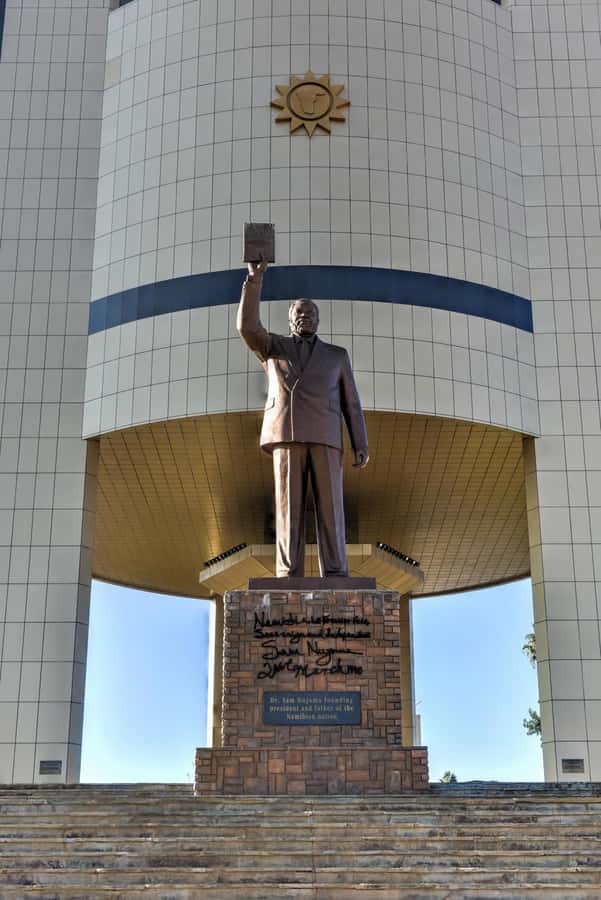
At $84 per person, this is not the cheapest way to simply look at Windhoek from a vehicle. The price makes more sense when you count the private format, English-speaking guide, entrance fees, bottled water, and Katutura tasting.
A private group can be valuable for couples, families, or friends who want to ask questions without holding up strangers. It also gives you a better chance of adjusting the emphasis. You may be able to spend more time on history, food, architecture, or the township, although the three-hour limit still applies.
The included entrances remove one common nuisance from a short city tour. You can concentrate on the places themselves instead of calculating extra admission costs at each stop. The water is a small inclusion, but useful in a city tour that includes walking and outdoor sightseeing.
The main extra costs are personal purchases and optional activities. Bring money only if you want souvenirs, snacks beyond the included tasting, or anything else not part of the scheduled route. Medical insurance and repatriation are not included, and the tour information specifically treats that cover as important. You should arrange suitable insurance separately.
The price is easiest to justify when you have limited time in Windhoek or want a private introduction before heading elsewhere in Namibia. If you already know the city well and only want to wander independently, you may find the guided format less necessary.
How the guides shape the experience
The guide matters greatly on a history-heavy tour. Names associated with this experience include Betty and Merrin. Betty has been praised for her passion for history, while Merrin is also connected with a highly rated outing.
That gives you a useful clue about the tour’s character. Expect explanation and conversation, not just a sequence of silent stops. The guide is there to connect buildings, political change, local food, and township life.
An English-speaking guide also helps if you want to ask about details that are not obvious from a sign. You can ask how the colonial period affected the city, what independence changed, or how the central district differs from Katutura. The supplied information does not promise a specialist historian at every departure, so keep your expectations sensible, but the history focus is clear.
I would ask at the beginning how the three hours will be divided. That simple question can help you protect the stops that matter most. It also avoids disappointment if a museum visit must be brief because of traffic, walking time, or the needs of the private group.
Who should book this Windhoek tour?
This experience is a good fit for you if:
- You have a short stop in Windhoek and want a structured introduction.
- You prefer a private group to a large shared tour.
- You want both central landmarks and Katutura.
- You enjoy history but also want food and ordinary city life.
- You would rather have entrance fees and a local tasting bundled into one price.
- You want to ask questions in English as you go.
It is also useful early in a Namibia trip. After three hours, you should have a clearer sense of the capital’s layout and a better understanding of why its buildings and neighborhoods look so different from one another.
You may want another option if your priority is shopping, nightlife, a long food outing, or detailed museum study. The route covers several themes quickly, so it favors range over depth.
Practical tips for making the most of three hours
Wear comfortable shoes because the schedule includes walking. The tour includes a bottle of water, but that should not replace your normal preparation for being outdoors.
Keep personal shopping modest unless you know you have spare time. Independence Avenue may offer appealing crafts and souvenirs, but the main purpose of the outing is sightseeing and interpretation.
Use the private format actively. Tell your guide if you care most about colonial architecture, independence, museums, or Katutura. A private tour is most valuable when you ask questions and help shape the conversation.
Allow flexibility around the route. The advertised highlights include Christuskirche, Katutura Township, the Independence Museum, the Train Station Museum, and food tasting. The wider description also points to Tintenpalast and Alte Feste. In three hours, the guide may need to adjust the exact time at each place.
Booking is less risky if your schedule is uncertain because you can cancel up to 24 hours in advance for a full refund. You can also reserve now and pay later, which keeps your plans flexible. Starting times depend on availability, so check the departure options before committing.
Should you book the City Tour of Windhoek?
Book it if you want a compact, private introduction that joins Windhoek’s colonial buildings, independence story, central streets, and Katutura Township. The included entrance fees, bottled water, and tasting make the $84 price easier to defend, especially when you would otherwise need to arrange several stops yourself.
The best reason to choose it is the balance. Christuskirche and the museums give you formal history, while Katutura and the food tasting bring you closer to the city as it is lived today. Guides such as Betty and Merrin add a personal history focus that can turn a simple sightseeing circuit into a more useful first lesson in Namibia.
Skip it if you want slow museum visits or a full-day food and township experience. For most first-time visitors with only a few hours in Windhoek, though, this is a sensible way to get your bearings and see more than the postcard version of the capital.
FAQ
How long does the City Tour of Windhoek last?
The tour lasts three hours, including pickup in Windhoek, sightseeing and walking, visits or photo stops, and the return to Windhoek.
Where does the tour start and finish?
The pickup location is Windhoek, and you arrive back in Windhoek at the end of the tour.
Is the tour private?
Yes. The experience is offered for a private group.
What language is the tour conducted in?
The live tour guide speaks English, and English is the listed tour language.
Are entrance fees included?
Yes. Entrance fees are included in the tour price.
Is food included?
A degustation in Katutura is included. The specific dishes are not stated.
What is not included in the price?
Personal purchases, optional or additional activities, and personal medical insurance and repatriation are not included.
Just added around Windhoek
- From Windhoek: 3-Day Sossusvlei Shared Shuttle Tour★ 3.8 · 3 reviews
- Windhoek: Katutura Township Tour with Local Guide★ 3.5 · 3 reviews
- Knight Vibes: Bars, Shebeen, Clubs Crawl Windhoek★ 5.0 · 3 reviews
- 3 day Sossusvlei Camping★ 5.0 · 3 reviews
- 10 DAYS BEAUTY OF NAMIBIA | Guided Lodge★ 5.0 · 3 reviews
- Windhoek: City & Township tour. Vehicle, guide, kapana★ 4.2 · 4 reviews
- Predator Encounter: Half-Day Carnivore Feeding Windhoek★ 4.0 · 5 reviews
- Airport Transfers★ 5.0 · 5 reviews
Windhoek City Tours, compared.
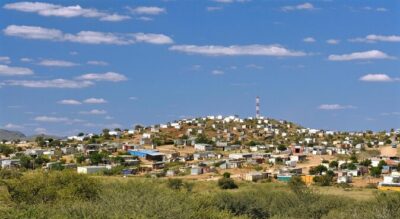
Half-Day Windhoek City and Township Cultural Tour
Read our review →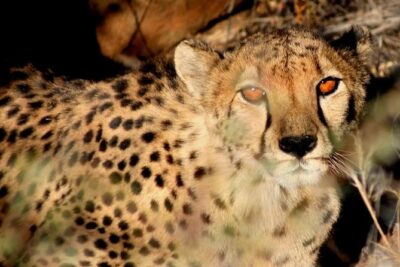
6-Day Dunes and Wildlife Accommodated Safari from Windhoek
Read our review →10-Day Namibia Highlights Guided Tour from Windhoek
Read our review →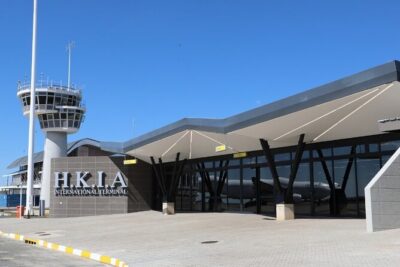
Private Transfers between Windhoek and Hosea Kutako Int. Airport
Read our review →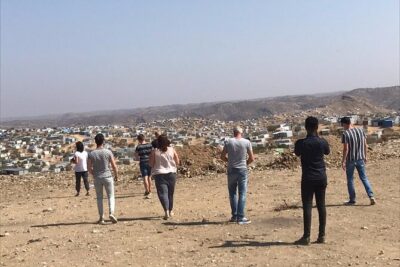
4-Day Swakopmund And Sossusvlei Accommodated Adventure from Windhoek
Read our review →
Browse the lists this tour appears in