
Reviewed · WINDHOEK
Windhoek: City and Township Tour
Windhoek’s best introduction is not a quick circuit of monuments. It is the contrast between historic city center and Katutura, where you see daily life, local food, and community work. I like that the tour gives equal weight to both. I also like the stop for kapana, Namibian beef grilled by local vendors, and the chance to hear first-hand context from guides such as Petrus.
The main limitation is time. Four hours moves quickly, and the sightseeing stops are often brief. If you want long visits inside museums or extended time at the market and community project, you may wish the schedule gave less attention to passing landmarks. Still, for $40 per person, hotel transport, a small group, and a local food tasting make this a strong value.
Key points at a glance
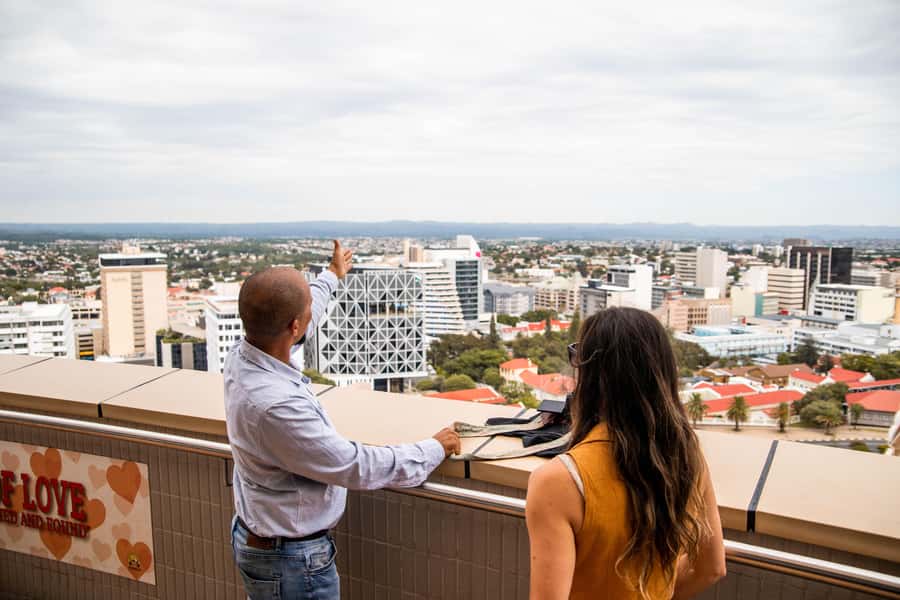
- Katutura adds the human story: See Windhoek beyond its central monuments and learn how the city’s largest suburb fits into Namibia today.
- Kapana is the tasty highlight: At Single Quarters, local vendors grill seasoned beef, often served with tomato salsa and fat cakes.
- Petrus is a frequently praised guide: If he leads your tour, expect clear explanations, patience, and personal insight into Namibia and Windhoek.
- The Penduka visit gives the tour purpose: The community empowerment project connects sightseeing with local craft and women’s economic opportunity.
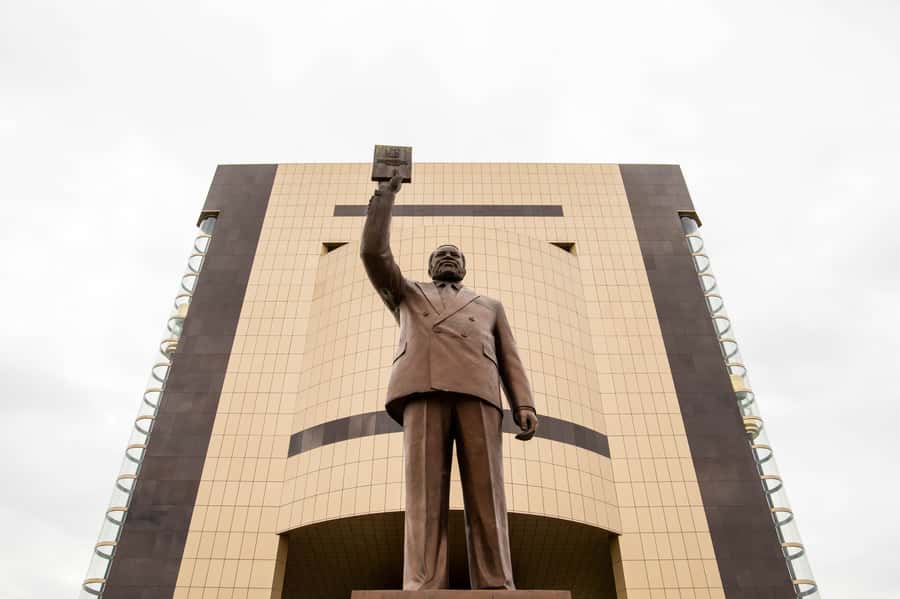
- The route covers major landmarks quickly: Christ Church, Alte Feste, Parliament Gardens, the Independence Museum, the old railway station, and more are included.
- Small groups keep it personal: The tour accepts no more than seven participants and includes pickup and return to your Windhoek accommodation.
Why this four-hour route works well in Windhoek
Windhoek can feel easy to pass through. Many people arrive for a safari, a desert road trip, or a flight onward, then give the capital only a night. That is a mistake if you want to understand Namibia beyond its scenery.
This tour makes good use of a half-day. You move from German colonial-era buildings and national institutions to Katutura’s markets and community projects. The shift is not treated as a sightseeing trick. A good guide explains the history behind the city’s divisions and the lives shaped by them.
I especially like the balance between fixed sights and human contact. The Christ Church and Old Fort help you place Windhoek in time. The market and Penduka help you see the city as a living place rather than an open-air museum.
The tour is also useful on your first day. It gives you a sense of the city’s layout, introduces some of the central landmarks, and helps you decide how to spend any remaining time. The included hotel pickup and drop-off remove the need to arrange transport for a short city visit.
The advertised experience is Namibia’s first zero-emission Windhoek City Tour. That is a notable feature for visitors who want a lower-impact way to see the capital. The supplied details do not specify the exact vehicle or how the zero-emission system operates, so I would not book it expecting a particular type of transport unless you confirm that before departure.
More Windhoek city tours:
- Half-Day Windhoek City and Township Cultural Tour
★ 4.5 · 187 reviews - Windhoek: Bushman Walk with the San
★ 4.9 · 145 reviews - 6-Day Dunes and Wildlife Accommodated Safari from Windhoek
★ 5.0 · 123 reviews
Christ Church and Windhoek’s central landmarks
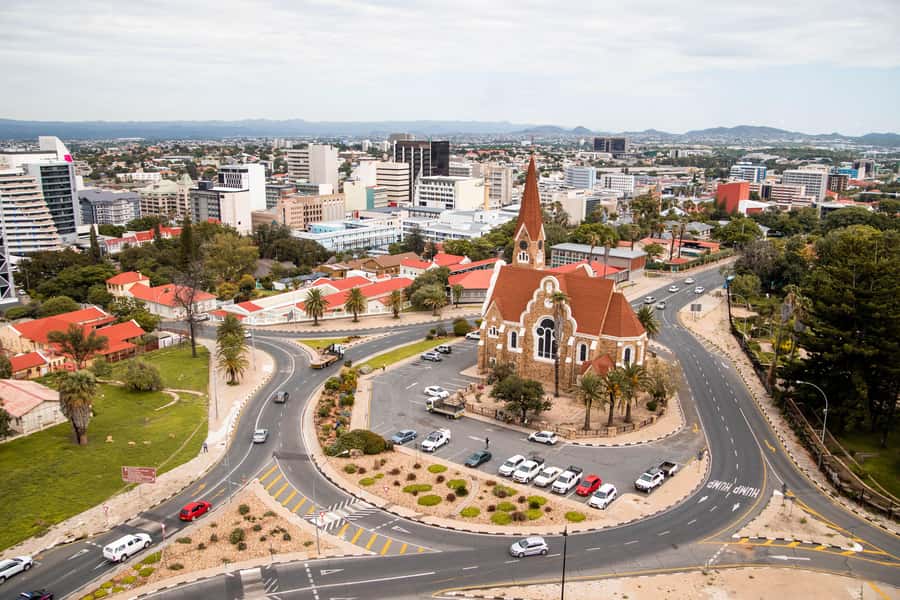
The first part of the tour focuses on central Windhoek. The schedule allows about 15 minutes at Christ Church, also called Christuskirche. This is one of the city’s most recognizable buildings and a natural starting point for understanding Windhoek’s German colonial influence.
You should expect an exterior-focused sightseeing stop rather than a long church visit. The value comes from the guide’s explanation and the church’s place among the surrounding civic buildings. Have your camera ready, but listen closely too, since the historical context is more useful than simply collecting another photograph.
The route continues to the Independence Museum, with about 20 minutes set aside. This is the longest scheduled stop among the central historical sights, and it gives the tour a Namibian frame rather than leaving the story at the colonial period.
That distinction matters. Windhoek’s buildings tell only part of the story. The Independence Museum helps connect the capital to the country’s road toward independence and the political changes that followed. Your guide’s commentary is important here, especially if you have limited background on Namibia.
Alte Feste, or the Old Fort, receives about 15 minutes. The fort is another reminder of Windhoek’s military and colonial past. The visit is short, so treat it as a guided orientation stop rather than a full museum outing.
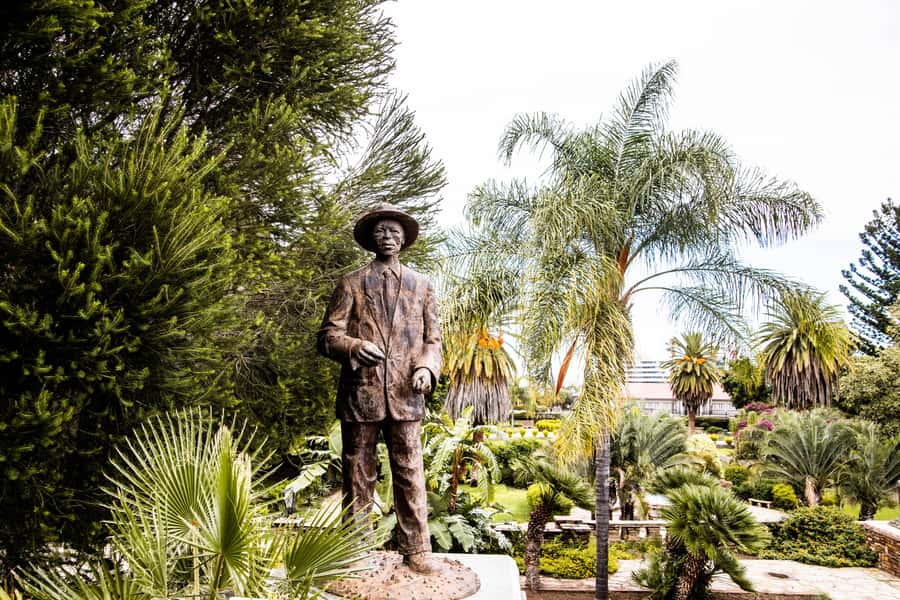
You will also pass the Houses of Parliament and the National Assembly, with time in Parliament Gardens. The gardens offer a calmer setting for an explanation of Namibia’s government and national identity. The schedule gives around 10 minutes here, enough for a brief look and photographs, but not an extended exploration.
The old railway station and Namibia Craft Center are also included in the city portion. The information provided does not list long visits at either stop, so expect to see them as part of the route. The Craft Center is particularly useful for understanding the role of local arts and crafts in the visitor economy, but your time may be limited.
One unusual addition is the old cemetery in Hochland Park. It is described as a highlight for people interested in history. This is the sort of stop that can easily be missed when you explore Windhoek alone, and it gives the guide another place to discuss people and events connected with the city.
Katutura, Single Quarters, and the taste of kapana
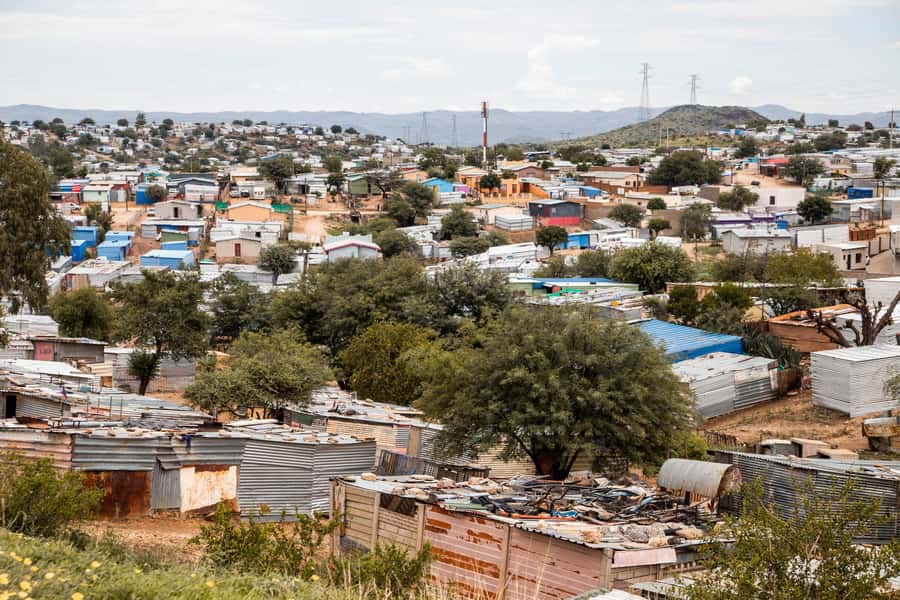
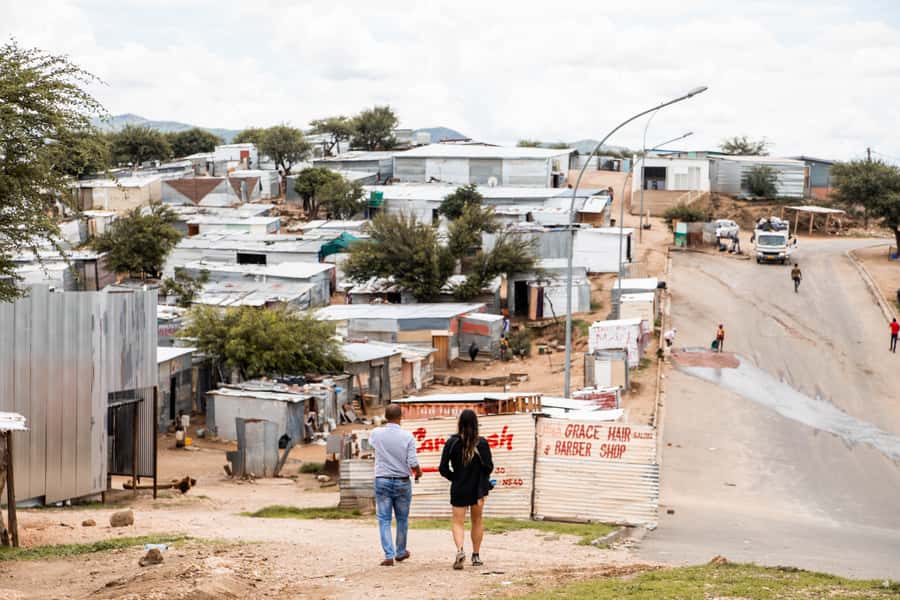
After the central sights, the tour heads to Katutura, Windhoek’s largest suburb. This is where the experience becomes more personal and less polished. You see a part of the city shaped by several cultural groups, and you get a better sense of how Windhoek extends beyond its central streets.
A township visit requires respect. You are not entering a stage set for photographs. Listen to your guide, ask before taking pictures of people, and pay attention to how the tour supports local businesses and projects. The strongest part of this experience is the chance to understand, not simply to look.
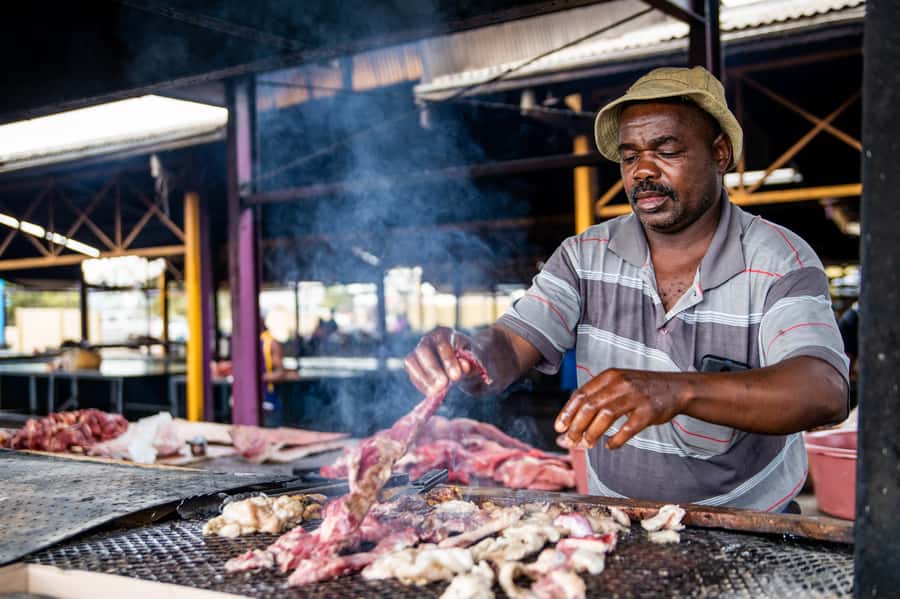
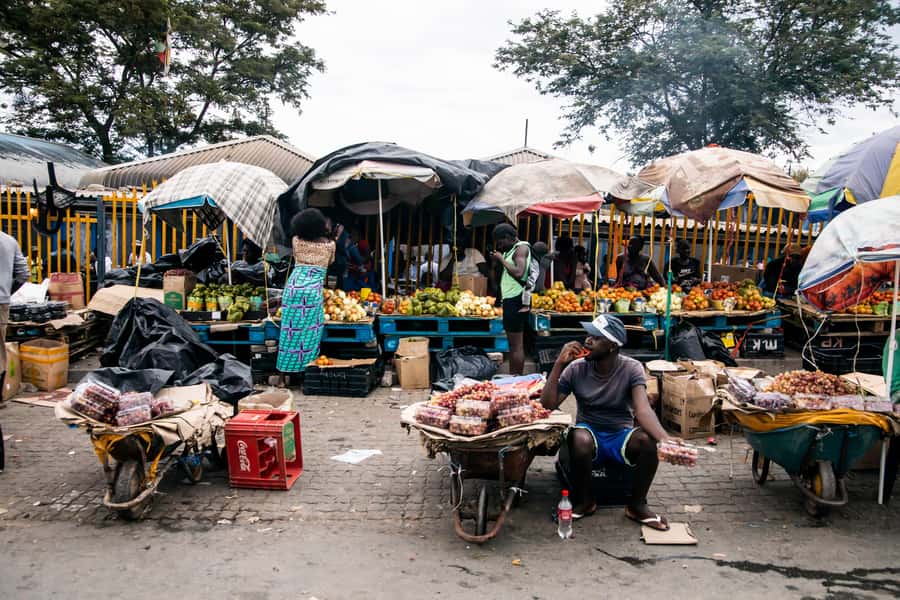
The food stop takes place at the Single Quarters, a local market. About 45 minutes are set aside for the open market and food tasting, making it the longest single stop of the day. That is good planning. Markets need a little time, and food is often the easiest way to begin a conversation about local life.
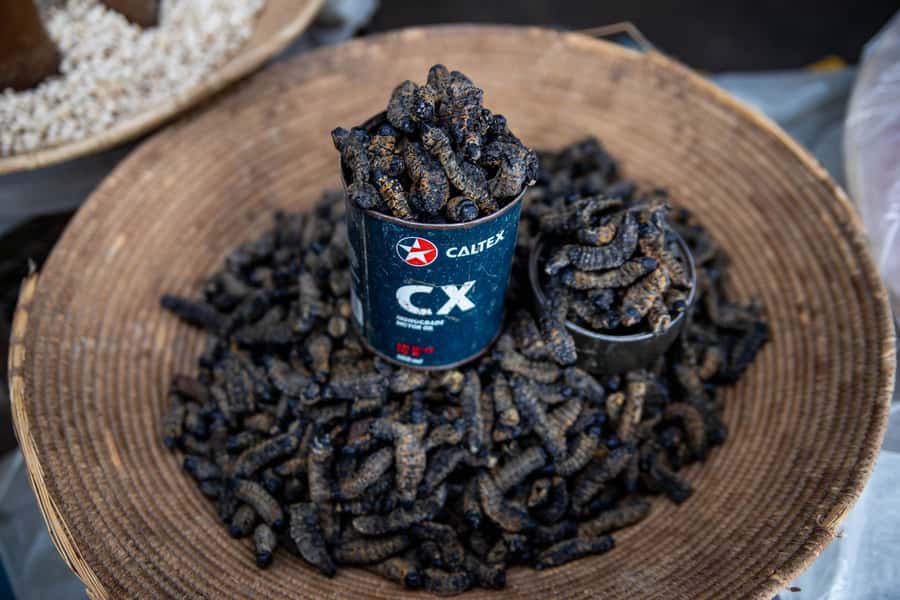
The specialty here is kapana, Namibian beef cooked by local vendors. It is served as marinated and grilled meat, with tomato salsa and, in some accounts of the tasting, fat cakes. One useful tip is to try the beef with the barbecue seasoning often added by vendors. The taste is direct and local, not a carefully plated restaurant version.
Food and drinks are not provided as a general part of the tour, even though local delicacies are included for tasting. That wording matters. You should not assume a full meal, multiple drinks, or a broad menu. Bring money if you want to buy extra food or drinks at the market.
The market stop is also one of the reasons this tour offers more than a standard city drive. You can see how food is prepared and sold in an everyday setting, then decide if you want to purchase more. The data does not specify the exact tasting portion, so have a small snack beforehand if you need a substantial lunch.
Penduka and the value of a community project
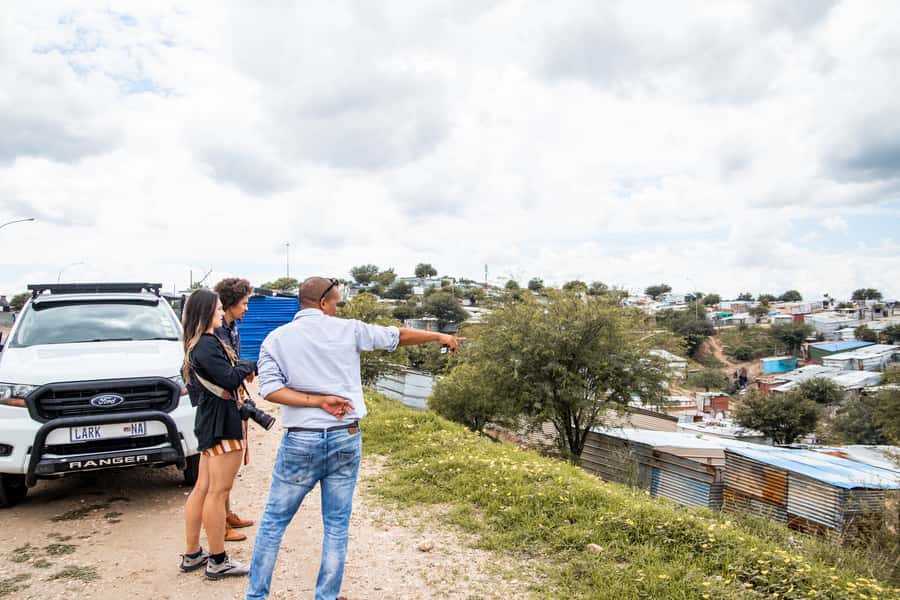
The final major part of the route is a visit to a local community empowerment project, identified in the tour experience as Penduka. The schedule allows around 30 minutes for an arts and crafts market visit in Katutura.
This stop adds welcome depth. You are not only hearing about local communities from inside a vehicle. You have a chance to see a project connected with women’s work, crafts, and economic opportunity. The supplied details describe it as a women’s empowerment project, and several people found it one of the most meaningful parts of the morning.
You might find locally made crafts available for purchase, but there is no pressure to buy. I like that distinction. Purchasing something can be a direct way to support the artisans, but the visit should still be worthwhile if you are not shopping.
The location has also been praised for its setting near a dam, which one past participant compared to a river. Since the tour is only 30 minutes here, you may need to choose between browsing, asking questions, and taking in the setting. If craft work and community development interest you, this is the stop where extra time would be most welcome.
The project also helps balance the Katutura visit. Without it, the township portion could risk focusing too heavily on hardship or spectacle. A community-led project shows work, skill, and local initiative. That makes the visit more respectful and more useful.
A few more Windhoek trips worth a look
- Windhoek City Tour
★ 5.0 · 113 reviews - 10-Day Namibia Highlights Guided Tour from Windhoek
★ 5.0 · 78 reviews - 12 Day Classic Namibia Camping Safari
★ 5.0 · 77 reviews - 3 Day Sossusvlei Budget Camping Safari
★ 5.0 · 62 reviews
What the guide adds to the experience
The guide can make or break a short city tour. With only four hours, you need someone who can explain a complicated past in plain language, keep the route moving, and answer questions without turning every stop into a lecture.
Petrus, also spelled Petras or Petros in some booking records, is the guide most often named in the supplied feedback. If he leads your tour, expect a friendly and patient style, strong knowledge of Windhoek and Namibian history, and personal insight into township life. He has also shared details about growing up in a small northern village and his own connection with the township.
Other named guides include Abner and Ester. Abner is described as patient and attentive to the tour plan, while Ester led a visit that put special emphasis on Katutura and Penduka. The exact guide is not guaranteed, so book the experience for the route and format rather than for a specific person.
A useful feature is the small group limit of seven participants. That can make a real difference at a market, where you may want to ask about food or pause at a craft stall. One person who took the tour alone had an especially flexible experience, with time to ask many questions and adjust the pace.
The vehicle is described as clean, spacious, and comfortable, but the tour remains mostly a sightseeing drive with short stops. You should not expect a walking tour or a long museum program. The strength is the guide’s commentary between stops.
Price, timing, and practical value
At $40 per person, this is fairly priced for a four-hour guided introduction that includes hotel pickup, hotel drop-off, a small group, and a local food tasting. You are paying not just for transport, but for access to places that can be difficult to understand or reach on your own, especially Katutura and the community project.
The value is best for a first visit. If you are already familiar with Windhoek, you may find the central landmarks too brief. If this is your first time in Namibia, the route gives you a useful base in one morning.
The tour includes English-language guiding. Pickup is from your accommodation in Windhoek, and return transport is included. Starting times vary, so check availability for your preferred date.
Food and drinks beyond the tasting are not included. Plan for that small extra cost at the market, and do not count on the kapana stop as a complete meal. The tour offers free cancellation up to 24 hours in advance for a full refund, and you can reserve now and pay later, useful if your Namibia plans are still shifting.
The activity has a 4.8 rating from 430 reviews, with especially strong praise for the guides, timely pickup, historical explanations, comfortable vehicle, market visit, kapana, and Penduka. The repeated praise is consistent enough to matter: the human side of the tour is its main strength.
Who should book this Windhoek tour?
I would choose this for a first full day or arrival day in Windhoek. It is a good fit if you want the main sights explained rather than simply pointed out, and if you want to see a part of the city that you might not visit independently.
It also suits people interested in history and culture more than travelers seeking a slow shopping trip. You will see many places, but most stops are short. The schedule favors breadth and context.
Families and small groups may appreciate the hotel transport and limited group size. Solo visitors can benefit from the chance to ask questions and avoid arranging a private vehicle. Food-curious visitors will enjoy the kapana stop, though you should be comfortable trying meat prepared in a local market setting.
I would think twice if you want extensive museum time, a long walk, or a full meal. I would also treat the township visit as an opportunity for respectful learning, not as a photo stop. Your attitude will shape the quality of the experience.
Should you book it?
Book this tour if you want Windhoek explained through both its monuments and its communities. The combination of Christ Church, the Independence Museum, Alte Feste, Parliament Gardens, Katutura, kapana, and Penduka gives you a much fuller picture than a central-city circuit alone.
The best reason to go is the guide-led context, especially if Petrus is available. The main trade-off is that the schedule moves quickly, and food and drinks beyond the tasting cost extra.
For $40, with pickup, drop-off, an English-speaking guide, and a group capped at seven, I consider it a worthwhile half-day introduction to Namibia’s capital.
FAQ
How long is the Windhoek City and Township Tour?
The tour lasts four hours, including the city sightseeing route, market visit, Katutura stop, and return to your accommodation.
What language is the tour conducted in?
The live tour guide speaks English.
Is hotel pickup included?
Yes. Pickup and drop-off from your accommodation in Windhoek are included.
How many people can join the tour?
The experience is offered as a small group limited to seven participants.
Which central Windhoek sights are included?
The route includes Christ Church, the Independence Museum, Alte Feste, Parliament Gardens, the Houses of Parliament and National Assembly, the old railway station, the Namibia Craft Center, and an old cemetery in Hochland Park.
Does the tour visit Katutura?
Yes. The tour visits Katutura, Windhoek’s largest suburb, including the Single Quarters local market and a community empowerment project.
What food can I taste?
You can taste local delicacies, including kapana, Namibian beef cooked by local vendors at the market. Food and drinks beyond the included tasting are not provided.
Is Penduka included?
Yes. The tour includes a visit to a local community empowerment project identified as Penduka, along with an arts and crafts market visit.
Can I cancel the booking?
You can cancel up to 24 hours in advance for a full refund. The tour also offers a reserve-now, pay-later option.
Just added around Windhoek
- From Windhoek: 3-Day Sossusvlei Shared Shuttle Tour★ 3.8 · 3 reviews
- Windhoek: Katutura Township Tour with Local Guide★ 3.5 · 3 reviews
- 3 day Sossusvlei Camping★ 5.0 · 3 reviews
- Knight Vibes: Bars, Shebeen, Clubs Crawl Windhoek★ 5.0 · 3 reviews
- 10 DAYS BEAUTY OF NAMIBIA | Guided Lodge★ 5.0 · 3 reviews
- Windhoek: City & Township tour. Vehicle, guide, kapana★ 4.2 · 4 reviews
- Predator Encounter: Half-Day Carnivore Feeding Windhoek★ 4.0 · 5 reviews
- Airport Transfers★ 5.0 · 5 reviews
Windhoek City Tours, compared.
Half-Day Windhoek City and Township Cultural Tour
Read our review →
6-Day Dunes and Wildlife Accommodated Safari from Windhoek
Read our review →10-Day Namibia Highlights Guided Tour from Windhoek
Read our review →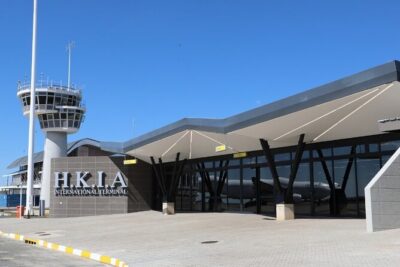
Private Transfers between Windhoek and Hosea Kutako Int. Airport
Read our review →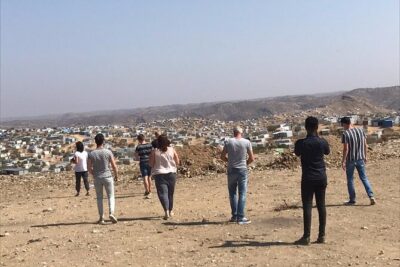
4-Day Swakopmund And Sossusvlei Accommodated Adventure from Windhoek
Read our review →
Private Guided Walking Tour with the San in Windhoek
Read our review →Browse the lists this tour appears in