
Reviewed · WINDHOEK
Traditional Cooking Class – Mahangu pap for beginners
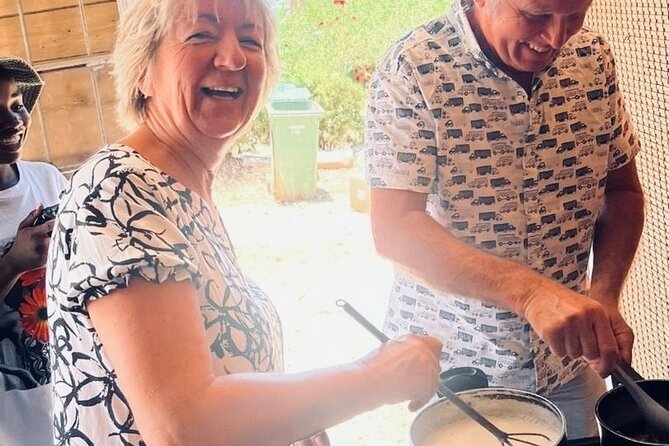
The most interesting part of this Windhoek cooking class is not simply learning to stir mahangu pap. It is the chance to understand why millet matters in Namibia, how it is grown and stored in a dry country, and how everyday food connects with family life. You may also try kapana beef, dried meat, fish, tripe, mopane worms, or goat head.
I like the class for two clear reasons: everything needed for lunch is included, and the private format lets your guide adjust the pace to your group. I also like the home setting in Katutura, where cooking comes with stories, local drinks, and a direct look at Namibian food traditions.
The main consideration is the menu. Adventurous eaters have plenty to try, but vegetarian cooking may be simpler, and alcohol costs extra. If you want a polished restaurant lesson or a strict recipe workshop, this informal home experience may feel basic. If you want people, food, and context, it makes good use of three hours.
Key points to know before booking
- Mahangu pap is the lesson’s main skill: You learn to prepare Namibia’s millet-based staple and can repeat the method at home.
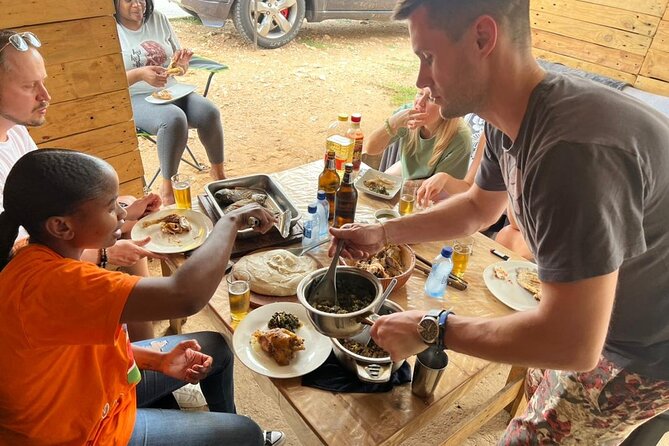
- The meal goes well beyond pap: Expect local spinach, meat, fish, sauces, and optional delicacies such as mopane worms and goat head.
- Your class takes place in a local home setting: Cooking and conversation happen together, rather than in a formal culinary school.
- Pickup makes the outing easy: Private transportation is included, with the meeting point at Christuskirche in central Windhoek.
- The class is private and family-friendly: Only your group takes part, and children are welcome.
- Budget about three hours and $56.99 per person: Food, soft drinks, water, snacks, lunch, and transport are covered, while alcohol is not.
Why mahangu pap matters in Namibia
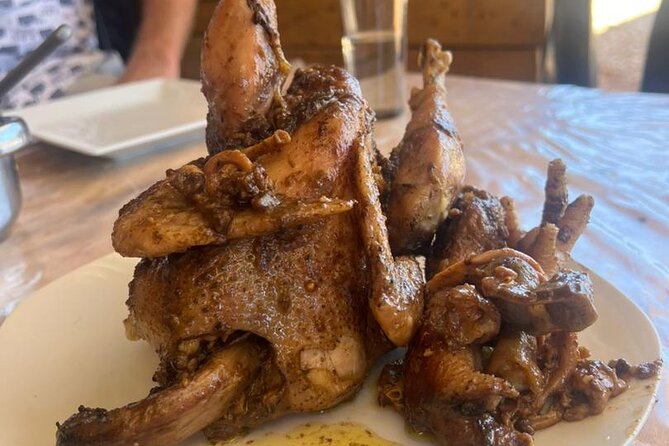
Mahangu is pearl millet, a hardy grain suited to Namibia’s dry conditions. Here it becomes pap, a thick porridge or bread-like staple served with meat, fish, or vegetables. The cooking lesson uses pap as a way into the larger story of farming, storage, and daily meals.
You do not just follow a recipe. Your host explains how local farmers grow the crop and keep it for later use. That context is useful because mahangu can look unfamiliar on a plate, yet it is one of the foods that helps explain how people cook in a dry country with limited water and tough growing conditions.
The class is aimed at beginners, so you do not need special kitchen skills. You will be shown the preparation step by step, with help from the cook and guide. One especially useful result is that you leave with a method you can try at home, not only a meal you ate once in Windhoek.
The texture may be new if your usual experience is with wheat bread, rice, or maize meal. That is part of the point. Pap is filling, practical, and designed to work with strongly seasoned accompaniments.
Other Windhoek trips people book alongside this one:
- Windhoek: City and Township Tour
★ 4.8 · 430 reviews - Half-Day Windhoek City and Township Cultural Tour
★ 4.5 · 187 reviews - Windhoek: Bushman Walk with the San
★ 4.9 · 145 reviews
From Christuskirche to a Namibian home
The listed meeting point is Christuskirche on Robert Mugabe Avenue, a central Windhoek landmark. Private transportation is included, which matters if you are staying at a hostel or hotel and do not want to work out local transport for an evening or midday outing.
Pickup has been especially useful for people staying outside the immediate center. You can also meet at the church and return there when the class ends. Since the activity lasts about three hours, allow enough time around it if you have a flight, safari transfer, or another fixed booking.
The cooking takes place in a home setting in the Katutura area, sometimes described as a home and restaurant space. This is not a staged demonstration kitchen with rows of identical workstations. You cook in a lived-in place, with the hosts nearby and conversation forming a large part of the experience.
That setting has two sides. It gives you a more personal view of local life, and it helps the food make sense. It also means the surroundings may feel plain rather than polished. A working home kitchen can have fewer restaurant-style comforts, but that is consistent with the experience being sold.
Cooking the staple, one step at a time
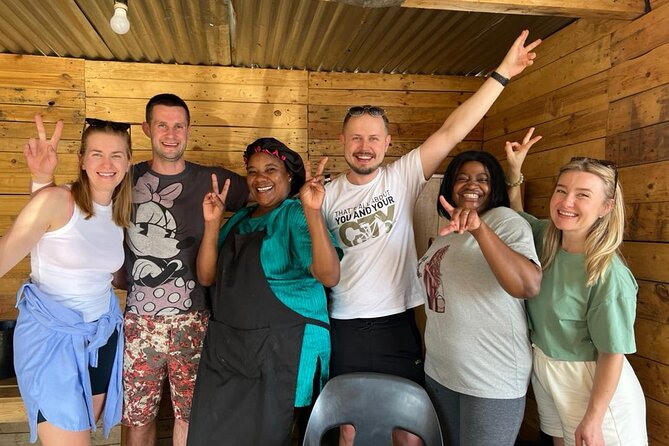
The class begins with mahangu pap. Your host introduces the grain, explains its place in Namibian meals, and guides you through the preparation. The basic skill is approachable, even if you do not consider yourself a cook.
Pap is not the only lesson. You learn how it fits into a complete meal, which is the more useful takeaway. A bowl of millet is usually paired with something savory, so the class builds toward a shared lunch rather than stopping at a single cooking exercise.
Past menus have included pap with spinach and tomato, fried fish, meat stew, dried meat called edhingu, and tripe known as matangara. Masbanker, a horse mackerel, has also appeared. The exact selection can vary, so do not book expecting every one of these dishes on the same day.
I like this flexible approach because it reflects how home cooking works. Ingredients change, and a cook uses what is available. The small drawback is that you may not receive a fixed printed menu or an identical set of dishes each time.
Kapana, braai, and the adventurous plate
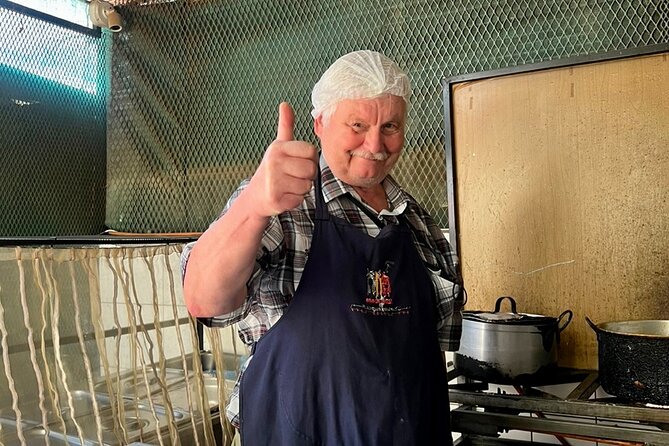
The meat portion introduces kapana, a popular grilled meat style, and the broader idea of a Namibian braai, or barbecue. Beef is the familiar option. It gives you a comfortable point of entry before you decide how far to push your tasting.
For the more adventurous, the class may offer goat head, called smilie, or mopane worms. Mopane worms are actually edible caterpillar larvae, and trying one can be a memorable part of the meal. The class presents these foods as local delicacies, not as a dare or stunt.
You should tell the provider about your preferences before cooking begins. The supplied information confirms vegetarian choices are available, including local spinach and marula fruits. It also suggests the vegetarian side may be less varied than the meat menu, so this experience is a stronger match for omnivores and curious eaters.
Fish has also featured in the meal, sometimes with a special sauce. That gives you another local flavor without requiring you to eat insects or offal. If goat head, tripe, or mopane worms are not for you, you can still focus on pap, fish, beef, spinach, and other vegetable dishes.
Same country, a completely different kind of day:
- 6-Day Dunes and Wildlife Accommodated Safari from Windhoek
★ 5.0 · 123 reviews - Windhoek City Tour
★ 5.0 · 113 reviews - 10-Day Namibia Highlights Guided Tour from Windhoek
★ 5.0 · 78 reviews - 12 Day Classic Namibia Camping Safari
★ 5.0 · 77 reviews
Sharing lunch with Linda, Iyaloo, and other local hosts
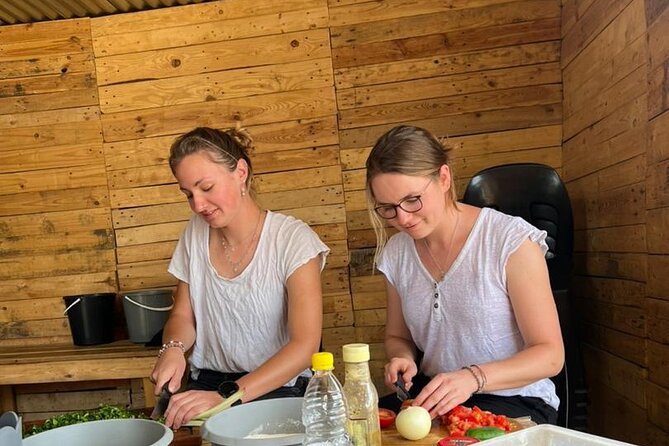
Names connected with the class include Linda, Iyaloo, Betty, Annely, Petrina, and Sacky. The exact host or guide depends on the booking, but the experience is built around local people who cook, explain, drive, and share stories with you.
Linda has been described as both a friendly driver and a cooking guide, staying with the group through the activity. Betty has taught the pap lesson, while Annely has provided area information. You should understand these names as examples of the team rather than a promise that one particular person will lead your class.
The personal contact is the strongest reason to choose this over a standard food tour. You can ask about ingredients, cooking habits, farming, and daily life while the meal takes shape. Some of the best moments are likely to happen between steps, when a question about millet leads to a story about family food or local customs.
Local beers and traditional drinks may be part of the social side, but alcoholic beverages are not included in the price. Soft drinks, bottled water, snacks, and lunch are included. If you want beer or another alcoholic drink, plan to pay separately.
What the three hours feel like
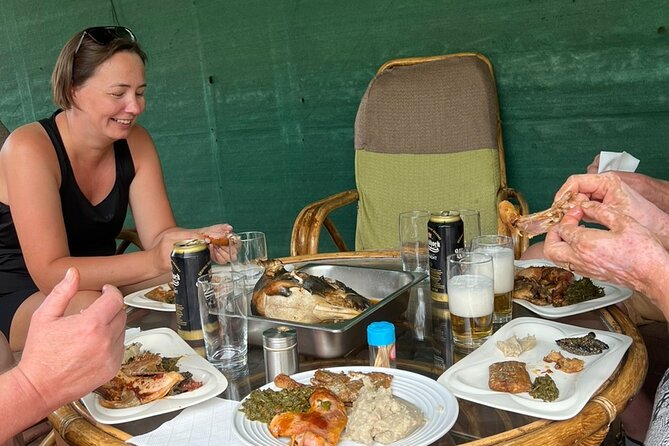
The pace is fairly direct. You meet your host, settle into the cooking space, learn about mahangu, and start preparing the pap. Other dishes are prepared alongside it, with the cook showing you local methods and explaining the ingredients.
The cooking portion has been described as efficient rather than drawn out. That can be a benefit if you want a cultural activity that fits neatly into a Windhoek schedule. It may be less satisfying if you expect a long professional lesson focused on knife work, precise measurements, and technical cooking theory.
Once the food is ready, you sit down and eat what you helped prepare. This shared meal is not an afterthought. It is where the different parts of the class come together: the grain, the grilled meat or fish, the vegetables, and the talk around the table.
The class works for families because children are welcome, and the meal gives younger participants something active to do. Still, parents should consider the menu before arrival, especially if children are selective eaters or uncomfortable with unfamiliar foods.
Cleanliness, comfort, and the home-kitchen tradeoff
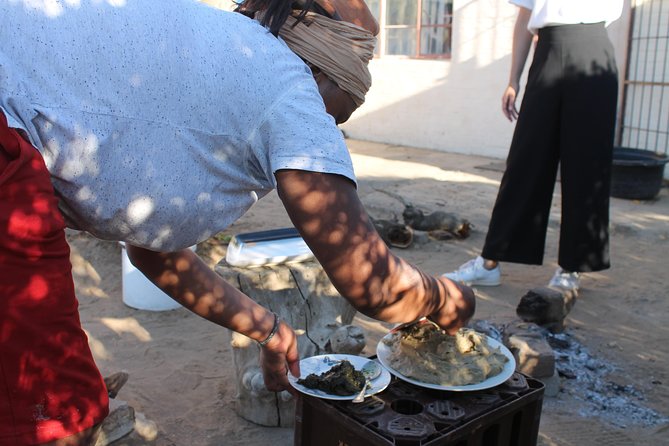
A home setting does not automatically mean rough conditions. The cooking space has been described as clean, with electricity, a working refrigerator, and frequent handwashing. Those details matter when you are preparing food in a private residence rather than a commercial cooking school.
You should keep your comfort expectations realistic. The setting is informal, and the main appeal is contact with local hosts rather than stylish design. If you need a highly polished venue, this may not be your ideal class. If you care more about a clean working kitchen and a relaxed atmosphere, it fits well.
Service animals are allowed, and the meeting point is near public transportation. Private transportation is included, but the information provided does not specify vehicle details or exact pickup coverage. Confirm the pickup arrangement when you book, particularly if you are not staying near central Windhoek.
Is $56.99 a fair price?
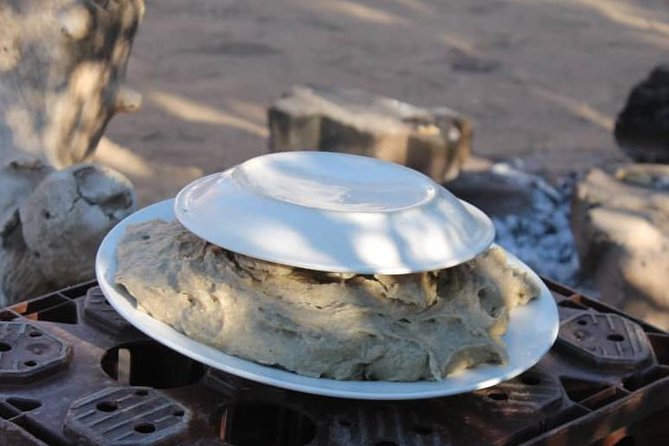
At $56.99 per person, the price is reasonable for a private three-hour activity that includes transportation, ingredients, lunch, snacks, bottled water, and soft drinks. You are paying for a meal, but also for a local host, instruction, and access to a home-based setting that you would not get from an ordinary restaurant visit.
The value improves if you take the cooking skill home. Pap is the main lesson, and you can later use it as a base for your own meals. The class also helps you recognize dishes and ingredients you may encounter during the rest of a Namibia trip.
The price is less attractive if you mainly want to eat. A restaurant meal could cost less, depending on where you go, but it would not include the farming explanation, hands-on preparation, transport, or time with the hosts.
Group discounts are offered, and the activity is private, so it can work well for families or friends who want their own pace. Since the average booking is made about 18 days ahead, plan early if this is important to your Windhoek schedule. Confirmation is normally immediate, though bookings made within four hours of departure are confirmed as soon as possible if space remains.
Who should book this cooking class?
I would choose this experience if you want food to be your route into Namibian culture. It suits first-time cooks, families, couples, solo visitors who want a personal guide, and anyone curious about mahangu, braai cooking, or local delicacies.
It is also a good choice near the end of a Namibia trip. You will recognize more of the foods you have encountered, and you may leave with ideas for recreating the pap at home. The activity can also be a useful first introduction before heading farther into the country.
I would hesitate if you need a fully vegetarian menu with many courses, a professional culinary certificate, or a guaranteed list of dishes. I would also check the alcohol arrangement in advance if drinks are central to your plans.
Free cancellation is available until 24 hours before the start time. Inside that window, changes and refunds are not accepted. The activity also requires a minimum number of participants, so a cancellation for lack of numbers results in another date or experience, or a full refund.
Should you book it?
Book this class if you want to cook with Namibian hosts, eat a real local meal, and learn why mahangu pap matters. The strongest parts are the home setting, the personal guidance from people such as Linda and Iyaloo, and the chance to try foods that rarely appear in a standard sightseeing program.
Go in expecting an informal kitchen lesson, not a luxury food production. Tell the provider about dietary needs, decide how adventurous you want your plate to be, and remember that alcohol is extra. For most curious eaters, the combination of hands-on cooking, transport, lunch, and conversation makes this one of Windhoek’s better cultural uses of a half day.
FAQ
How long does the traditional cooking class last?
The activity lasts approximately three hours, including the cooking and shared meal.
What is the meeting point?
The listed meeting point is Christuskirche, C3JP+VVQ, Robert Mugabe Avenue, Windhoek, Namibia. The activity ends back at the meeting point.
Is transportation included?
Yes. Private transportation is included, and pickup is offered.
What food and drinks are included?
The price includes snacks, soft drinks, lunch, and bottled water. Alcoholic beverages are not included.
Are vegetarian options available?
Yes. Vegetarian options are available, including local spinach and marula fruits. The exact menu can vary.
Can children take part?
Yes. Children are welcome, and the activity is private, so only your group participates.
Just added around Windhoek
- From Windhoek: 3-Day Sossusvlei Shared Shuttle Tour★ 3.8 · 3 reviews
- Windhoek: Katutura Township Tour with Local Guide★ 3.5 · 3 reviews
- 3 day Sossusvlei Camping★ 5.0 · 3 reviews
- Knight Vibes: Bars, Shebeen, Clubs Crawl Windhoek★ 5.0 · 3 reviews
- 10 DAYS BEAUTY OF NAMIBIA | Guided Lodge★ 5.0 · 3 reviews
- Windhoek: City & Township tour. Vehicle, guide, kapana★ 4.2 · 4 reviews
- Predator Encounter: Half-Day Carnivore Feeding Windhoek★ 4.0 · 5 reviews
- Airport Transfers★ 5.0 · 5 reviews
Windhoek Tours, compared.
Half-Day Windhoek City and Township Cultural Tour
Read our review →
6-Day Dunes and Wildlife Accommodated Safari from Windhoek
Read our review →10-Day Namibia Highlights Guided Tour from Windhoek
Read our review →
Namibia Self-Driving Audio Guide (in English & German)
Read our review →
6 Day Sand, Sea & Etosha Budget Camping Safari
Read our review →Browse the lists this tour appears in