
Reviewed · WINDHOEK
Discover the Routes of N/a’an ku sê.
At N/a’an ku sê, you get close to animals that are too dangerous, injured, or habituated to return to the wild. The most striking part is seeing lion, cheetah, leopard, and wild dog feeding sessions while learning why some rescued animals now live as ambassador animals rather than in open wilderness. I like the chance to watch several predators in one outing, and I like that the drive connects each animal to a real conservation problem.
I also like the small-group format advertised for up to three people, plus the excellent driver praised in the feedback. The main caution is simple: this is a sanctuary experience, not a free-range safari. Some animals are viewed through barriers, and close-up photography may not be possible. If you want completely wild sightings, this may feel too controlled.
Key points to know before you book
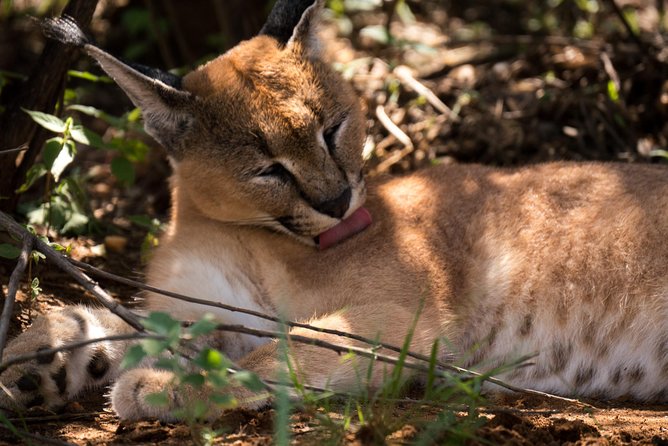
- Predator feeding sessions: See lions, cheetahs, wild dogs, leopards, caracals, baboons, and possibly hyenas during guided feeding times.
- Rescue and ambassador animals: Learn why some animals cannot be released and how the sanctuary protects them.
- About five hours total: The wildlife portion lasts around three hours, with pickup offered for the wider experience.
- Start time at 1:30 pm: This is an afternoon outing, not an early-morning game drive.
- Photography has limits: Barriers and safety rules can prevent the close-up images some visitors hope to take.
- Group-size information needs checking: The main description says a maximum of three people, while the additional booking information says up to 13.
Why N/a’an ku sê is different from a normal game drive
A classic Namibian safari asks you to search for wild animals moving through their natural surroundings. N/a’an ku sê offers something more focused. You are visiting a wildlife sanctuary where rescued animals receive care, and where guides can explain individual animals and their past.
That difference matters. You may see animals at feeding time rather than waiting for a lucky sighting from a distant vehicle. You also get a clearer lesson in the difficult line between rescue and release. An animal raised as a pet, injured by people, or accustomed to human contact may no longer have the skills or caution needed for the wild.
This makes the experience especially useful if you are new to African wildlife or have limited time near Windhoek. In a few hours, you can encounter a wide range of species and hear how the sanctuary manages animals that cannot safely return to open bush.
I like this direct approach. You are not simply ticking off animal names. You are seeing the results of human contact with wildlife, then learning what responsible care requires.
Still, you should set your expectations carefully. The animals are wild and dangerous, even when they live in protected enclosures. Safety rules are strict for good reason. This is not a place where you can walk up to a lion’s fence for a close portrait or try to get a reaction from a cheetah.
A few more Windhoek trips worth a look
- Windhoek: City and Township Tour
★ 4.8 · 430 reviews - Half-Day Windhoek City and Township Cultural Tour
★ 4.5 · 187 reviews - Windhoek: Bushman Walk with the San
★ 4.9 · 145 reviews
The afternoon drive from Windhoek
The experience begins at 1:30 pm, with pickup offered. Since the total outing is listed at about five hours, you should allow a good part of your afternoon for transport, the sanctuary visit, and the return journey. The main wildlife activity itself is described as roughly three hours.
That timing can work well in a Windhoek schedule. You do not need to give up a full day, and you can spend the morning on another activity or simply recover from a flight. The afternoon start also gives you a clear meeting time instead of requiring an early pre-dawn departure.
The precise pickup arrangements are not detailed, so confirm them when you book. The experience is near public transportation, but pickup is the more useful choice if you want a simple connection from Windhoek. Ask exactly where the driver will meet you and how long the transfer is expected to take.
The driver received especially warm praise for being friendly and obliging. No guide name is provided, so do not expect a named specialist to be guaranteed. The quality of the outing will depend in part on how well your guide explains animal behavior, rescue work, and the sanctuary’s rules.
One practical point deserves attention: the information gives two different maximum group sizes. The highlights describe a maximum of three people, which would make the drive personal and flexible. The additional details allow up to 13 people. I would confirm the actual group size before paying, especially if the small-group format is a major reason you are interested.
What you can see at the sanctuary
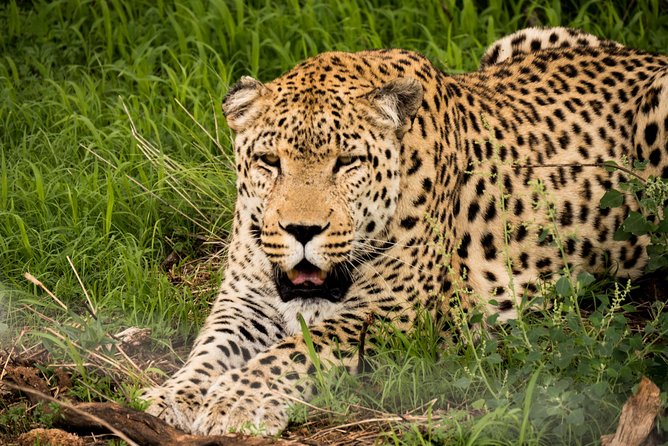
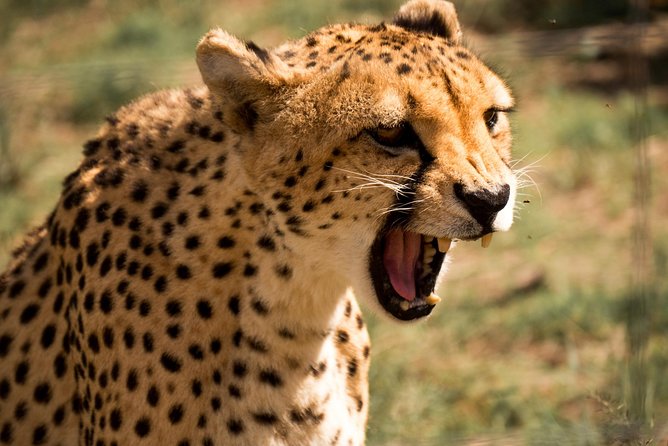
The drive may bring you to baboons, caracals, lions, cheetahs, African wild dogs, and leopards. Hyenas are also named among the animals housed at the reserve. You may see other animals roaming freely in the reserve as you move between the main animal areas.
The wording matters here: these are possible sightings, not a guaranteed checklist. Animal activity can change, and feeding sessions are not the same as a staged performance. You should arrive ready for a guided wildlife visit, not a promise that every species will appear on cue.
Each animal offers a different lesson. Lions show the power and social complexity of a large predator. Cheetahs let you consider how specialized a hunter can be. African wild dogs are particularly interesting because they are social, fast-moving predators that are not often seen in ordinary zoo settings.
Caracals and leopards may be harder to spot, which makes any sighting rewarding. Baboons add a different kind of energy, with behavior that can be lively and highly social. Hyenas, often misunderstood, give the guide a chance to discuss their role as predators and scavengers.
I like that the experience includes more than one type of animal. A short safari can sometimes become a long search for a single distant species. Here, the sanctuary setting gives you a broader introduction to predators and rescue work in one visit.
Feeding time and the value of a close look
Feeding sessions are the centerpiece of the visit. They provide a reliable moment when animals are active and visible, while the guide explains their behavior and tells you about their care.
That is useful for photography. Animals that are awake, moving, or interacting give you more to watch than animals resting in thick cover. The drive also creates photo opportunities along the route, where other animals may be moving freely through the reserve.
But feeding time has limits. It can draw animals toward a specific place, so it does not represent a completely natural hunt or encounter. If your main goal is to watch wild predators find their own food, a national park or private reserve safari would be a better match.
You also need to keep the barriers in mind. One visitor felt disappointed after seeing animals through bars and being prevented from taking close-up pictures at the enclosures. The response from the provider was clear: these animals are wild and dangerous, and getting too near is not allowed.
I consider that a fair safety rule, but it creates a real photography tradeoff. You may get strong photographs of animals at a sensible distance, but you should not count on frame-filling portraits through an enclosure. Bring patience rather than assuming the camera will do all the work.
Same country, a completely different kind of day:
- 6-Day Dunes and Wildlife Accommodated Safari from Windhoek
★ 5.0 · 123 reviews - Windhoek City Tour
★ 5.0 · 113 reviews - 10-Day Namibia Highlights Guided Tour from Windhoek
★ 5.0 · 78 reviews - 12 Day Classic Namibia Camping Safari
★ 5.0 · 77 reviews
Ambassador animals and the conservation lesson
The sanctuary’s ambassador animals are central to the experience. These are animals that cannot be released back into the wild, often because their history with people or their physical condition makes release unsafe or unrealistic.
The guide explains how the sanctuary protects them and why keeping them in managed care can be the least harmful option. That discussion gives the visit more purpose than a simple predator display. You are learning about what happens after an animal is rescued, not just looking at the final result.
This is also where the experience may challenge your assumptions. Seeing a predator behind a barrier can feel less authentic than seeing one from a safari vehicle in open country. Yet the barrier may exist precisely because the animal is dangerous, unpredictable, or unable to live safely near people.
I would pay close attention to this part if you care about ethical wildlife tourism. Ask questions about why an individual animal cannot be released, what care it receives, and how the sanctuary separates public education from animal welfare. The supplied information confirms the general conservation purpose, but it does not provide detailed veterinary or release records for each animal.
That means you should treat the outing as an introduction to the sanctuary’s work, not a full research visit. You will gain useful context in a short time, but the exact conservation methods and long-term programs are not described in detail.
Photography: good chances, realistic expectations
The experience is promoted as a strong option for photography, and I can see why. You have multiple species, feeding activity, a guided drive, and animals that may be visible in managed settings. That gives you more chances than a standard outing built around one uncertain sighting.
The best images may come from watching behavior rather than forcing a close portrait. Look for interaction, movement, alert posture, or a moment when the animal turns toward the vehicle. A photograph showing the animal in its setting can also tell a better story than a tight image through bars.
Do not plan on standing beside an enclosure. The safety response to the disappointed visitor makes clear that close access is restricted. You may not be allowed to take pictures directly at the bars, and you cannot enter or approach the enclosures as you please.
This is important for anyone carrying expensive camera equipment. The experience promises opportunities, not guaranteed perfect shots. If you are serious about wildlife photography, ask about the viewing distance and photography rules before departure. If your goal is simply to take memorable pictures of African predators, the outing should still offer plenty to work with, provided you accept the boundaries.
Is the $136.71 price fair?
At $136.71 per person, this is not a throwaway afternoon activity. The value depends on what you want from your time near Windhoek.
The price makes more sense if you value guided access to several predator species, transport support, feeding sessions, and conservation interpretation in one half-day outing. You are paying for more than a drive. You are also paying for the chance to see animals that would be difficult to find in the wild within a short window.
The value is weaker if you expect a national-park safari with animals wandering wherever they choose. A sanctuary cannot offer that same feeling of uncertainty and discovery. It also cannot promise close photography, despite the good chances for pictures.
Group size affects the price too. A maximum of three would make the experience feel much more personal, with more room for questions and camera positioning. A group of up to 13 would give you less control and could make the cost feel higher. Because both figures appear in the supplied details, confirm this point before booking.
The average booking lead time is 19 days. That suggests you should not leave this until the last moment if the date matters, especially if you want a small group or need pickup from a particular location.
Who will enjoy this experience most?
I would recommend N/a’an ku sê to you if you have only a short stay in Windhoek and want a concentrated introduction to Namibia’s predators. It also suits families, first-time safari visitors, photographers who can work at a respectful distance, and anyone interested in animal rescue.
It is a good choice if you want your guide to explain what you are seeing. The sanctuary setting makes it easier to compare species and learn how human behavior affects wildlife.
You may want something else if your priority is untouched wilderness, spontaneous animal encounters, or close-up portraits. A controlled sanctuary can feel too much like a zoo to someone expecting open-country safari conditions. That criticism is not trivial. It points to the central choice you need to make before booking.
The most useful question is this: do you want to see wild animals in a natural setting, or do you want to learn about rescued animals and the care they receive? If your answer is the second, this experience has a clear purpose.
Practical details that affect your day
Confirmation is provided when you book, and free cancellation is available until 24 hours before the start time. If you cancel less than 24 hours before departure, you do not receive a refund, and changes made inside that window are not accepted.
The experience depends on good weather. If poor weather causes a cancellation, you are offered another date or a full refund. Keep that rule in mind when building a tight Namibia itinerary.
Most people can participate, and the experience is near public transportation. Pickup is offered, which may be the simplest option from Windhoek. The start time is 1:30 pm, so check the pickup point carefully and leave enough time to reach it.
Wear practical clothing and bring your camera, but keep your expectations sensible. The available information does not specify clothing rules, equipment requirements, or meals, so do not assume those are included. The admission ticket for the sanctuary is included.
Should you book N/a’an ku sê?
Book this if you want a compact, guided look at rescued lions, cheetahs, leopards, wild dogs, caracals, baboons, and possibly hyenas, with feeding sessions and a conservation lesson. The friendly driver, possible small group, and wide range of animals add real value.
Skip it if you want only free-ranging wildlife and close-up photographs. The barriers and safety rules are part of the experience, not a minor inconvenience.
For many visitors based in Windhoek, this is a useful first encounter with Namibia’s predators. Just book it for the sanctuary and conservation story, not for a pretend safari.
FAQ
Where does the experience take place?
It takes place at N/a’an ku sê Wildlife Sanctuary near Windhoek, Namibia.
What time does the experience start?
The listed start time is 1:30 pm.
How long does the experience last?
The total experience lasts about five hours. The sanctuary wildlife activity is listed as approximately three hours.
Is pickup available?
Yes. Pickup is offered, and the experience is also near public transportation.
Which animals might I see?
Possible animals include baboons, caracals, lions, cheetahs, African wild dogs, leopards, and hyenas. Other animals may also be seen roaming freely in the reserve.
Does the experience include feeding sessions?
Yes. The guided visit includes animal feeding sessions.
Can I take close-up photographs?
Photography opportunities are available, but close access to the enclosures is not allowed. Safety restrictions may prevent close-up photographs at the bars.
How many people can join the tour?
The main description gives a maximum of three people, while the additional information gives a maximum of 13 travelers. Confirm the actual group size before booking.
What happens if the weather is poor?
The experience requires good weather. If it is canceled because of poor weather, you are offered a different date or a full refund.
Just added around Windhoek
- From Windhoek: 3-Day Sossusvlei Shared Shuttle Tour★ 3.8 · 3 reviews
- Windhoek: Katutura Township Tour with Local Guide★ 3.5 · 3 reviews
- Knight Vibes: Bars, Shebeen, Clubs Crawl Windhoek★ 5.0 · 3 reviews
- 3 day Sossusvlei Camping★ 5.0 · 3 reviews
- 10 DAYS BEAUTY OF NAMIBIA | Guided Lodge★ 5.0 · 3 reviews
- Windhoek: City & Township tour. Vehicle, guide, kapana★ 4.2 · 4 reviews
- Predator Encounter: Half-Day Carnivore Feeding Windhoek★ 4.0 · 5 reviews
- Airport Transfers★ 5.0 · 5 reviews
Windhoek Tours, compared.
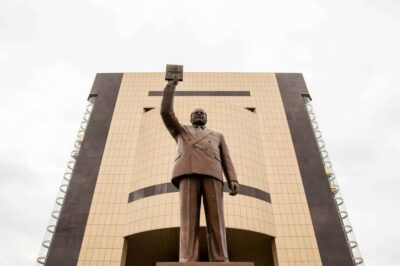
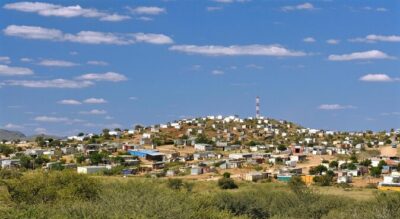
Half-Day Windhoek City and Township Cultural Tour
Read our review →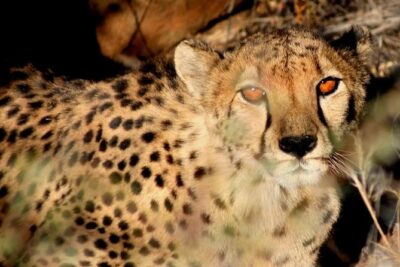
6-Day Dunes and Wildlife Accommodated Safari from Windhoek
Read our review →10-Day Namibia Highlights Guided Tour from Windhoek
Read our review →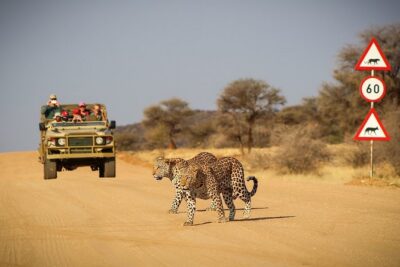
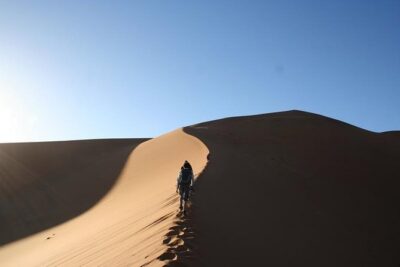
Namibia Self-Driving Audio Guide (in English & German)
Read our review →
Traditional Cooking Class – Mahangu pap for beginners
Read our review →Browse the lists this tour appears in