
Reviewed · NAMIBIA
7 Day Northern Namibia and Skeleton Coast Camping Safari
Northern Namibia packs an astonishing amount into one week: rhinos at Mount Etjo, wildlife at Etosha, Himba culture, the stark Atlantic coast, and a huge seal colony at Cape Cross. You travel in a custom safari vehicle with a pop-up roof, then sleep five nights in camps and one night in accommodation.
I like the way the trip mixes major sights with small stops, from Okahandja’s woodcarving market to flamingos at Walvis Bay. I also like the practical camping setup, with guides cooking most meals and handling much of the camp routine. The catch is the pace: long drives, early starts, basic camping, and only one night in Swakopmund.
Key points at a glance
- Mount Etjo rhino country: Begin with a game drive in a reserve known for its conservation work with black and white rhinos.
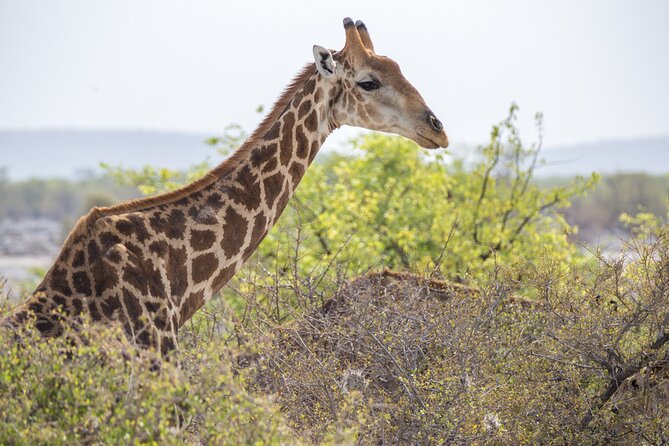
- Etosha after dark: Visit Okaukuejo’s floodlit waterhole, where rhinos, elephants, giraffes, lions, and hyenas may appear.
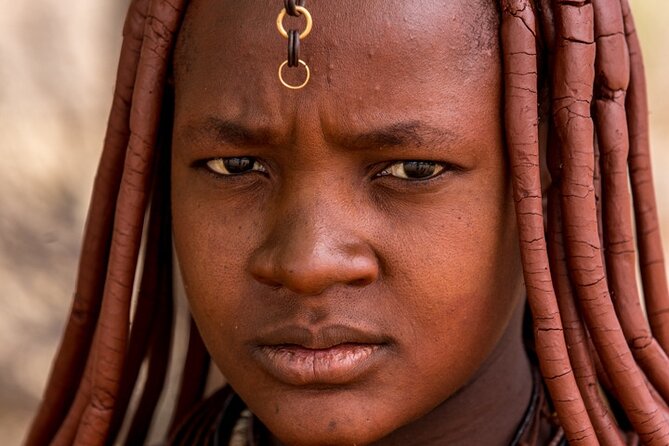
- Traditional Himba culture: Spend about two hours at Otjikandero Himba Orphan Village with a guided introduction to daily life and customs.
- The Skeleton Coast by road: See foggy Atlantic scenery, shipwrecks, and the enormous Cape Cross seal colony.
- A working camping safari: Five dinners, six breakfasts, and six lunches are included, with food prepared by your guide over an open fire.
- Small-group format: The vehicle holds no more than 12 people, with pickup and return within Windhoek city limits.
What this northern Namibia trip really covers
At $1,846.99 per person, this is not a cheap week, but Namibia is a large country and transport costs add up quickly. Your price covers a lot: a professional English-speaking guide and driver, a custom safari vehicle, camping equipment, five dinners, six breakfasts, six lunches, park and village visits listed in the itinerary, and five nights of camping plus one night of accommodation.
The value comes from the route. You are not paying for one lodge and a few short excursions. You are crossing a wide slice of Namibia and combining wildlife, culture, desert scenery, and the Atlantic coast without arranging several separate transfers.
Still, look closely at what is not covered. You need your own sleeping bag, drinks, snacks, insurance, airport transfers, and any optional activities in Swakopmund. Mineral water and other drinks are extra, although tap water is provided. Your final dinner in Swakopmund is also at your own expense.
The tour begins at Chameleon Safaris on Ferry Street in Windhoek at 7:00 am. Pickup is offered within Windhoek city limits, and the tour returns to the starting point on the final afternoon. Allow extra time before and after the trip if you are connecting with a flight, since airport transfers are not included.
More camping safaris across Windhoek:
- 12 Day Classic Namibia Camping Safari
★ 5.0 · 77 reviews - 3 Day Sossusvlei Budget Camping Safari
★ 5.0 · 62 reviews - 6 Day Sand, Sea & Etosha Budget Camping Safari
★ 5.0 · 36 reviews
Day 1: woodcarvers, Mount Etjo, and rhino country
The morning starts with a 45-minute briefing at Chameleon Safaris headquarters. This is useful because the week involves regular packing, long drives, camp routines, and early departures. You will want to arrive ready, with your sleeping bag and personal items easy to reach.
The first proper stop is the Okahandja Mbangura Woodcarvers Craft Market. Artists from around Namibia gather here to sell carved goods, and you have about an hour to browse. This is a better first stop than a generic service station because your purchase can support local craftspeople. Bargaining is part of the experience, so keep it friendly and realistic.
Mount Etjo Game Reserve is the first major wildlife setting. The reserve works to support conservation, including efforts involving Namibia’s black and white rhinos. You aim to reach camp before lunch, set up, eat, and then head out for an afternoon game drive.
That first drive focuses on rhino sightings, though wildlife is never guaranteed. The day ends with a Namibian sunset from the reserve. You may be camping from this point onward, so do not expect a polished lodge-style evening. The reward is a closer connection to the outdoors and a proper start to the safari rhythm.
Day 2: entering Etosha through waterholes
After breakfast, you stop in Otjiwarongo for fresh supplies before continuing to Etosha National Park. The brief shopping stop is a small but useful piece of the trip. It helps the guide replenish food and gives you a glimpse of an ordinary Namibian town before the park takes over.
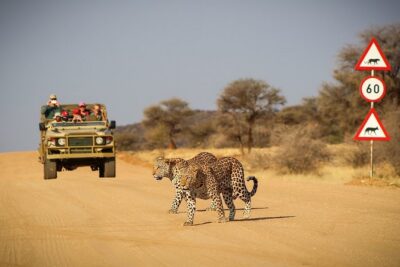
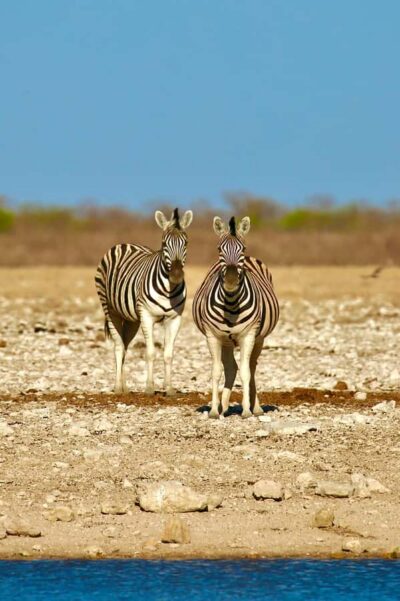
Etosha works differently from a forested safari park. Wildlife gathers around waterholes, and the broad, dry setting makes animals easier to spot in open country. On entering the park, you begin looking for plains game, birds, predators, and, with luck, reptiles.
The route continues to Okaukuejo, where camp is set up and lunch is served. An afternoon game drive takes you from waterhole to waterhole before you return near sunset. Your guide prepares dinner over an open fire, a routine that several guide teams have become especially well regarded for. Names associated with past departures include Kennedy, Taimi, Michael, Gideon, Johny, and others, but your actual team depends on the departure.
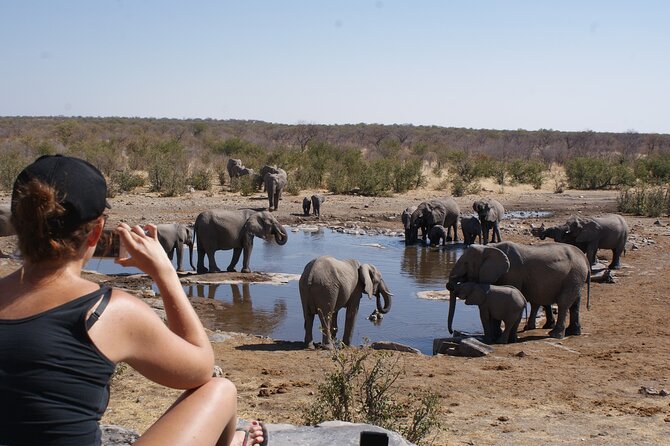
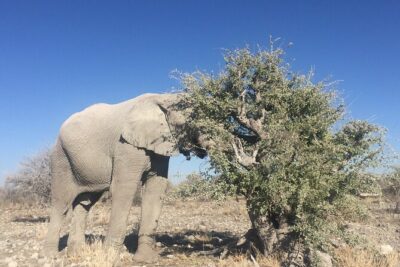
The highlight of the evening is Okaukuejo’s floodlit waterhole. You can visit after dinner and watch for rhino, elephant, giraffe, lion, and hyena. This night viewing is one reason Etosha is so memorable. You are not simply ticking off animals during daylight hours, and the waterhole gives the evening a quiet, watchful quality.
Day 3: a full Etosha crossing and the white Etosha Pan
Day 3 begins at sunrise. The early start is worthwhile because predators may still be active, and the cooler morning often makes the drive more comfortable. You visit several waterholes and stop at a fenced picnic site for breakfast.
The route then continues across the park toward Halali, the central camp. You have time for lunch, a visit to Moringa Waterhole, and a swim in the pool. That pause matters. Several hours in a safari vehicle can be tiring, and a short break gives you a chance to stretch before the afternoon drive.
After lunch, you reach Etosha Pan, the great white place. This enormous saline desert covers about 4,500 square kilometres. You can leave the vehicle at the designated point and experience the stark openness on foot before continuing toward Okaukuejo.
The pan is less about animal sightings and more about scale. The pale ground, intense light, and lack of visual clutter give you a sharp sense of Namibia’s dry interior. Bring a hat, sunscreen, and water. The supplied tap water helps, but you should still carry enough with you during stops.
You return to Okaukuejo around sunset for your final night in Etosha. Another visit to the floodlit waterhole after dinner is highly worthwhile. This is a long day, with an early start and several hours on the road, but it gives you the fullest wildlife portion of the trip.
A few more Windhoek trips worth a look
- 6-Day Dunes and Wildlife Accommodated Safari from Windhoek
★ 5.0 · 123 reviews - 7 Day Southern Namibia and Sossusvlei Camping Safari
★ 5.0 · 26 reviews - 9 Day Canyons, Dunes & Wildlife Camping and Lodge Safari
★ 4.5 · 23 reviews - 9 Day Etosha, Skeleton Coast and Sossusvlei Camping and Lodge Safari
★ 5.0 · 21 reviews
Day 4: a direct look at Himba life
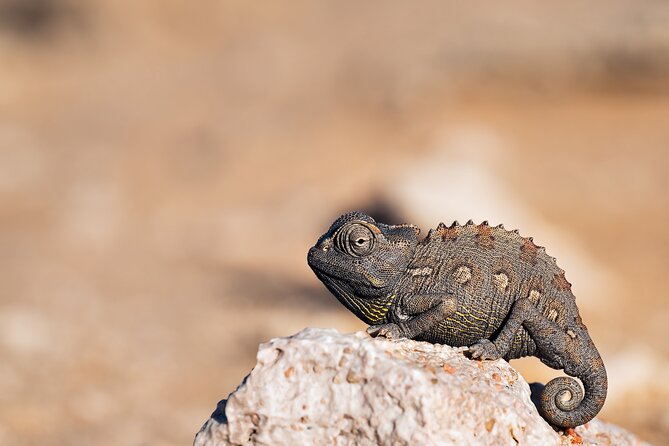
The final Etosha game drive takes place during breakfast and the exit from the park. It is a short morning outing, but you still have one more chance for wildlife before the itinerary turns toward culture and the far west.
At Otjikandero Himba Orphan Village, a guided visit lasts about two hours. You learn about Himba customs, traditional life, and the way the community presents its culture. The visit also allows an exchange between you and the people at the village, rather than treating the stop as a quick photo opportunity.
Approach this visit with respect. Listen first, ask questions when invited, and remember that people are not scenery. The value of the stop is the chance to learn directly about a living culture that continues to maintain traditional practices.
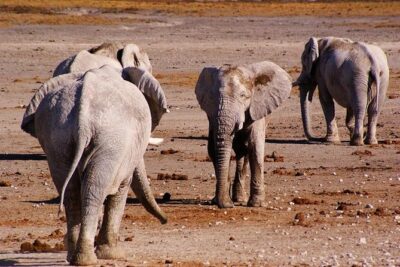
After the village, the drive continues to Palmwag. Camp is set up, and the afternoon is slower. You can watch the sunset and hope to spot a desert elephant. Again, wildlife is not promised, but the possibility gives the evening a special edge.
Dinner is cooked by the guide over an open fire. This is where the camping format works well: you have spent the day seeing places, then share a simple meal in the open air rather than returning to an anonymous restaurant.
Day 5: across the Skeleton Coast to Cape Cross
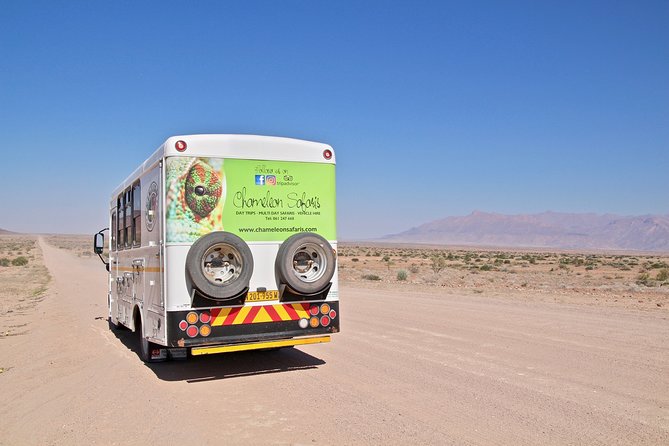
This is the longest-feeling scenic day. You travel west toward the Atlantic and enter Skeleton Coast National Park. The coast is known for fog, rough seas, unpredictable currents, and shipwrecks. It has an austere beauty, but it is not a beach holiday.
The drive can occupy much of the day, with the Skeleton Coast section listed at about eight hours. You should be comfortable sitting in the vehicle for long stretches. The reward is the changing scenery and the sense of moving from Namibia’s inland dryness to a cold, exposed ocean edge.
Cape Cross is the overnight destination. After setting up camp, you can watch the first sunset over the Atlantic before returning for dinner. The Cape Cross campsite is practical rather than luxurious, and the coastal climate can feel cool and damp compared with inland Namibia.
That overnight stop is the tour’s most debatable choice. It puts you close to the seal reserve for the next morning, but some people may prefer spending more time in Swakopmund or staying somewhere with greater comfort. If you value remote scenery and do not mind basic camping, it fits the route. If you prefer towns and facilities, take note.
Day 6: seals, shipwrecks, and one night in Swakopmund
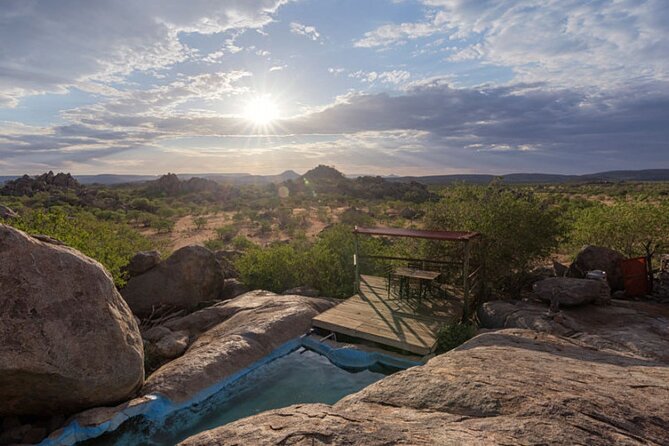
After breakfast, you take a short walk to Cape Cross Seal Reserve. It is home to one of the world’s largest breeding colonies of Cape fur seals. During the November and December breeding season, more than 200,000 seals may be present.
This is an unforgettable wildlife stop, but be prepared for noise and a very strong smell. The colony is not a polished viewing experience. That is exactly why it feels real. You see the crowded beach, hear the animals, and confront the less tidy side of nature.
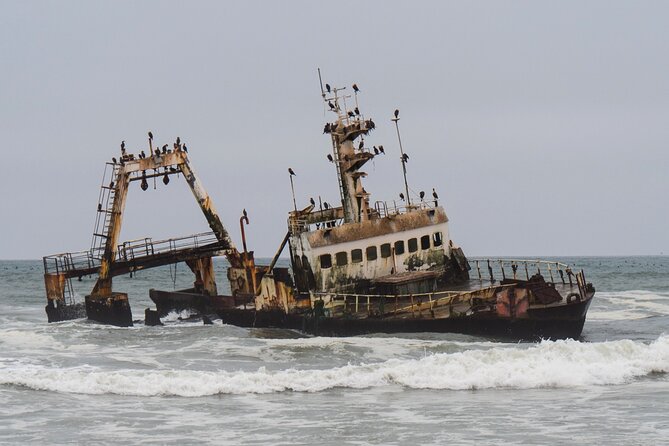
The Zeila Shipwreck is the next coastal stop. The wreck dates from as recently as 2007, which helps show that the Skeleton Coast remains dangerous in the modern era. You have about 30 minutes to view it before continuing to Swakopmund.
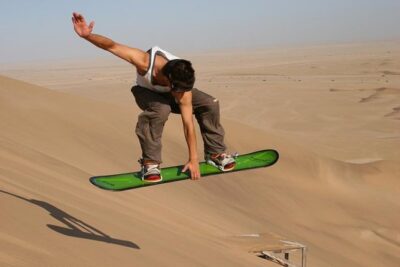
Swakopmund is Namibia’s adventure capital, and you arrive in the early afternoon with time to explore on foot or book an optional activity. Choices can include sandboarding, quad biking, and skydiving. These activities cost extra, so plan your budget before you arrive.
You also have the evening to eat at your own expense in one of Swakopmund’s restaurants. Your guide can suggest a place or help with a booking. This break from camp food and camp chores is welcome, especially after several nights outdoors.
The town may not appeal to everyone. If your priority is wilderness, the urban pause can feel like a detour. But if you want a hot meal, a bed, a walk through town, or a shot of adrenaline on the dunes, Swakopmund gives the week a useful change of pace.
Day 7: flamingos at Walvis Bay and the road to Windhoek
The final day begins around 10:00 am with the short drive to Walvis Bay. At the lagoon, you can look for greater and lesser flamingos along with other water birds. This is a calm final wildlife stop after the drama of the seal colony and shipwrecks.
The return to Windhoek is a long road journey. Along the way, you may see Spitzkoppe in the distance, a distinctive mountain often compared with Switzerland’s Matterhorn. Time permitting, the route can include a stop at a small crystal market operated by Damara people, where you can learn about small-scale mining for semi-precious stones.
You arrive back in Windhoek in the late afternoon, returning to Chameleon Backpackers. If you are staying elsewhere in the city, you can be dropped at your accommodation, provided it is within the stated Windhoek limits.
Do not schedule a tight onward flight that evening. The itinerary gives an expected late-afternoon return, but road travel in Namibia takes time and conditions can change. A spare night in Windhoek is the sensible choice.
Camping, meals, and the daily rhythm
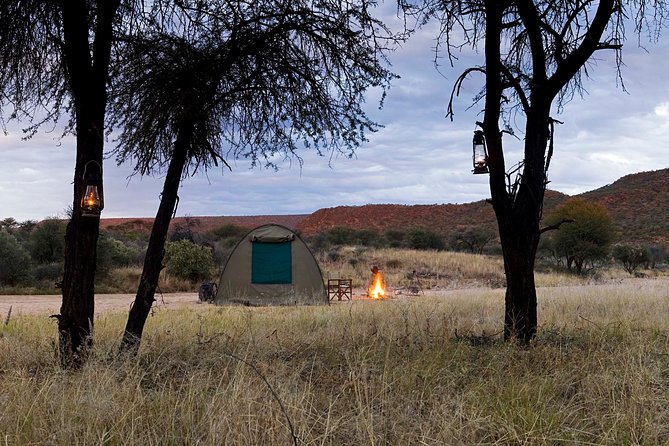
This is an active camping safari, not a lodge circuit. Camping equipment is supplied except for a sleeping bag, and the itinerary includes five camping nights plus one night of accommodation. You should be comfortable with early mornings, packing your kit, and sleeping in simple surroundings.
The included meals are a real part of the value. You receive five dinners, six breakfasts, and six lunches, with the guide preparing many meals over an open fire. Past guide teams such as Taimi and Michael, Johny and Taimi, Kennedy, and Gideon and Taimi have been praised for good cooking, camp help, humor, and keeping the day organized.
The guide team can make or break a camping trip. Here, guides are expected to drive, explain the places you see, prepare meals, and help with camp. That is a lot of responsibility, and the consistent praise for guides including Taimi, Michael, Kennedy, Raymond, Greg, Broni, and others is worth noting. Do not assume a particular person will lead your departure, but the operator’s guide quality is one of the strongest reasons to consider the trip.
Bring warm layers for the coast, sun protection for Etosha and the pan, comfortable walking shoes, personal snacks, and a sleeping bag. Drinks, including bottled water, soft drinks, and alcohol, are not included.
Who should book this safari?
I would choose this trip if you want a broad first look at northern Namibia and are happy to trade comfort for access and value. It suits someone who wants wildlife, cultural contact, desert scenery, and the Skeleton Coast in one organized route.
It is also a good fit if you enjoy shared meals and small-group travel. The maximum group size is 12, so the trip is more personal than a large coach tour, while still giving you the company of other people around the fire.
I would hesitate if you dislike long drives, roughing it, cold coastal nights, or early starts. I would also look elsewhere if Etosha is your only priority. This itinerary gives Etosha two substantial days, but a wildlife specialist trip could offer more time in the park.
The non-refundable booking terms deserve attention too. Once you pay, cancellation or changes do not result in a refund, so confirm your dates, sleeping-bag plan, and onward travel before booking.
Should you book the 7 Day Northern Namibia Safari?
Book it if you want one efficient, well-supported circuit that covers Mount Etjo, Etosha, the Himba village, Skeleton Coast, Cape Cross, Swakopmund, and Walvis Bay. At $1,846.99, the package is strongest when you make full use of the included meals, park access, guide service, and transport.
Skip it if you want a slow holiday or prefer lodges over tents. For the right person, though, this is a practical way to see a huge amount of Namibia in seven days, with guides handling the hard work while you watch for rhinos, lions, flamingos, elephants, seals, and the next great view.
FAQ
Where does the safari start?
It starts at Chameleon Safaris on Ferry Street in Windhoek at 7:00 am.
Where does the tour end?
The tour returns to the starting point in Windhoek in the late afternoon on Day 7. Drop-off at accommodation within Windhoek city limits is available.
How long is the safari?
The experience lasts approximately seven days.
How many people can join the group?
The maximum group size is 12 people.
Is pickup available?
Yes. Pickup and drop-off are offered within Windhoek city limits.
How many nights are spent camping?
The package includes five nights of camping and one night of accommodation.
Is a sleeping bag included?
No. You must bring or arrange your own sleeping bag.
Are meals included?
Yes. The package includes five dinners, six breakfasts, and six lunches. Drinks, snacks, and mineral water are not included.
Are Swakopmund activities included?
No. Optional activities such as sandboarding, quad biking, and skydiving are paid separately.
Does the tour visit Cape Cross?
Yes. The itinerary includes the Cape Cross Seal Reserve and a visit to the Zeila Shipwreck.
More Week-Long Trips from Windhoek
- 7 Day Taste of Namibia Lodging Safari
★ 5.0 · 13 reviews - 7 Day – Kalahari TOP attractions
★ 5.0 · 10 reviews
Just added around Windhoek
- From Windhoek: 3-Day Sossusvlei Shared Shuttle Tour★ 3.8 · 3 reviews
- Windhoek: Katutura Township Tour with Local Guide★ 3.5 · 3 reviews
- Knight Vibes: Bars, Shebeen, Clubs Crawl Windhoek★ 5.0 · 3 reviews
- 3 day Sossusvlei Camping★ 5.0 · 3 reviews
- 10 DAYS BEAUTY OF NAMIBIA | Guided Lodge★ 5.0 · 3 reviews
- Windhoek: City & Township tour. Vehicle, guide, kapana★ 4.2 · 4 reviews
- Predator Encounter: Half-Day Carnivore Feeding Windhoek★ 4.0 · 5 reviews
- Airport Transfers★ 5.0 · 5 reviews
Namibia Camping Safaris, compared.
6 Day Sand, Sea & Etosha Budget Camping Safari
Read our review →
7 Day Southern Namibia and Sossusvlei Camping Safari
Read our review →
4-Day Sossusvlei and Swakopmund Camping Safari
Read our review →Browse the lists this tour appears in