

Reviewed · SWAKOPMUND
Swakopmund:Mondesa Cultural Township Tour
Mondesa is not a museum stop. It is a living township where you can walk along OB Street, see everyday homes and schools, meet local residents, and share a meal in a family home. The most memorable parts are the Nama herbalist’s explanation of traditional medicines and the chance to hear live a cappella music in a local setting.
I like the hotel pickup and private format, since they make a three-hour visit easy to fit into a Swakopmund stay. I also like the mix of culture and practical local issues, from DRC housing projects to Herero dress and township life. The main consideration is that this is a social, food-centered outing, not a polished sightseeing tour. Some stops may feel direct and personal, and visitors with back problems or who are pregnant should choose another activity.
Key points at a glance
- A guide with local roots: Your guide can explain Mondesa from personal experience, including its past and present.
- A real township visit: Walk along OB Street, view typical homes and schools, and speak with residents.
- Nama and Herero culture: Meet a Nama herbalist and, on afternoon or weekend tours, a Herero woman who explains her clothing and traditions.
- Traditional food with a family: Try mahangu porridge, beans, wild fruits, barbecue chicken, and the more unusual omagungu, or mopane worms.
- A look at housing change: Visit the Democratic Resettlement Community, known as DRC, to learn about municipal housing projects.
- Private and practical: Transport and a traditional meal are included, with English and German available.
Seeing Mondesa beyond Swakopmund’s tourist center

Swakopmund is easy to enjoy from its tidy center, but that view leaves out much of the town’s modern story. Mondesa gives you a closer look at community life, family homes, schools, local businesses, and the changes taking place outside the central streets.
Your guide picks you up at your hotel and drives into the township. The tour begins with a short explanation of Mondesa’s history, giving you some context before you walk through the neighborhood. That matters because the visit is not just a series of photo stops. You are seeing a place where people live, work, raise children, and preserve cultural practices.
A private group also changes the tone. You can ask questions without holding up a large coach, and the guide can adjust the conversation to your interests. The listed languages are English and German, and the guide described in the supplied material originally came from Mondesa and spoke excellent German. That local connection is important. You get an explanation shaped by someone who knows the area personally, rather than a quick set of general facts.
A few more Swakopmund trips worth a look
- Walvis Bay: Marine Big 5 Luxury Catamaran Tour
★ 4.8 · 1,012 reviews - Swakopmund: Desert Dunes Quad Biking with Optional Sandboard
★ 4.9 · 590 reviews - Walvis Bay and Sandwich Harbour Tour
★ 4.8 · 483 reviews
OB Street and the daily rhythm of the township
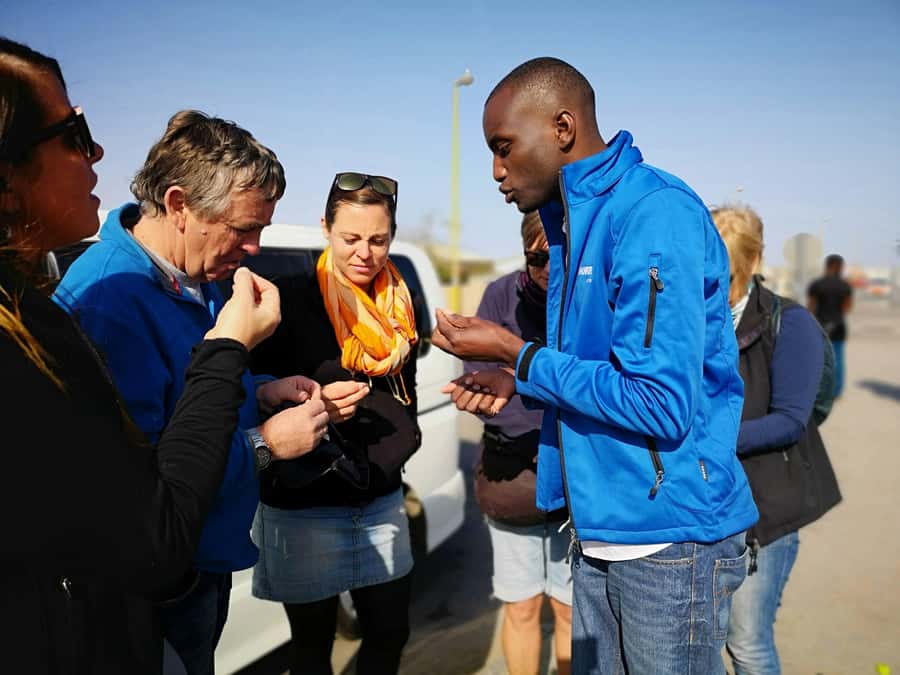
The walk along OB Street is one of the clearest parts of the visit. You see typical homes and schools and have the chance to chat with local residents. I like this part because it asks you to pay attention to ordinary details instead of waiting for a grand monument.
Expect a slower, more observant walk. The point is to notice how a township functions and to listen to the people who live there. Your guide helps put what you see into context, but you should also give residents room and follow the guide’s advice about photography and conversation.
This is not the best place for a rushed checklist. Three hours is enough time for an introduction, several stops, and a meal, but not enough for every street or every topic. Keep your questions focused. Ask about the homes, schools, local customs, or changes in the community, and you will get more from the visit than by trying to photograph everything.
Bring comfortable shoes, sunglasses, a sun hat, and sunscreen. The tour includes walking and driving, and the Namibian sun can make even a short stroll feel longer than expected.
Meeting local artists at a small craft market
The craft market is modest, which is part of its appeal. You stop at a small home market where different artists offer their work. This gives you a chance to see local crafts in a personal setting and to buy a souvenir directly from the maker or seller.
The market is not presented as a large shopping stop, so keep expectations sensible. You may find a smaller selection than at a full-scale city market, but the visit fits the wider purpose of the tour: meeting people and seeing how culture is expressed in everyday community life.
Souvenirs are not included in the $80 price, so bring extra money if you want to purchase something. You do not need to buy anything to take part, but a fair purchase can be a pleasant way to support the local artists you meet.
The tour also advises bringing sweets or stationery for children. Treat this carefully and follow your guide’s lead. A small, useful gift may be welcomed, but respectful contact matters more than handing things out freely. Your guide can help you understand what is appropriate.
What the DRC visit says about housing
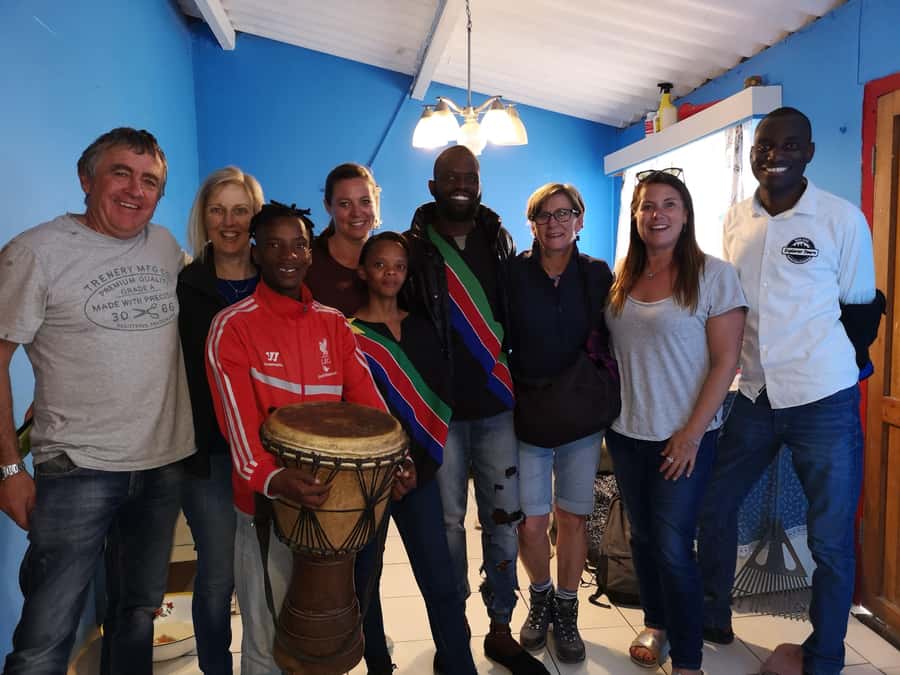
The drive to DRC, or the Democratic Resettlement Community, adds a useful civic layer to the tour. Here, you learn about housing projects and the work the Swakopmund Municipality is doing to improve the area.
This stop helps you see that a township visit is not frozen in the past. It includes current questions about housing, services, and municipal planning. You may find this part less visually dramatic than the market or the cultural demonstrations, but it gives the tour substance.
I especially like that the visit includes both culture and public development. You hear about customs and food, then also learn how local authorities are trying to improve living conditions. That combination makes the experience more useful than a quick drive through a neighborhood.
Because no detailed housing timeline or project list is provided, your guide is the best source for what is happening during your visit. Ask specific questions about the homes and changes you see, rather than expecting a formal presentation with displays.
Same country, a completely different kind of day:
- Scenic Sandwich Harbour Tour
★ 5.0 · 277 reviews - Sandwich Harbour Adventure: Seals and Sandwich harbour dune drive
★ 5.0 · 165 reviews - Scenic Desert Tour by Bike
★ 5.0 · 165 reviews - Swakopmund: Little Five Desert Wildlife Quad Biking Tour
★ 4.8 · 123 reviews
Nama herbal medicine and cultural memory

The visit to a traditional Nama herbalist is one of the more distinctive stops. She explains Nama culture and shares her knowledge of herbal medicines. This is a chance to hear about traditions passed through local practice, not simply read a paragraph in a museum.
Listen with curiosity and care. Traditional medicine is cultural knowledge, and this visit is meant for learning. Do not treat the discussion as medical advice or assume that a plant described during the visit is safe to use yourself. The value is in understanding how the Nama community views plants, healing, and inherited knowledge.
This stop may appeal to you if you enjoy conversations about customs that are still part of daily life. It may be less appealing if you prefer only major landmarks or fast-moving sightseeing. The private format gives you a better chance to ask thoughtful questions and let the conversation develop.
The tour description does not promise a purchase of medicines or a hands-on treatment. You are there to listen and learn from the herbalist’s explanation.
Herero dress, identity, and timing

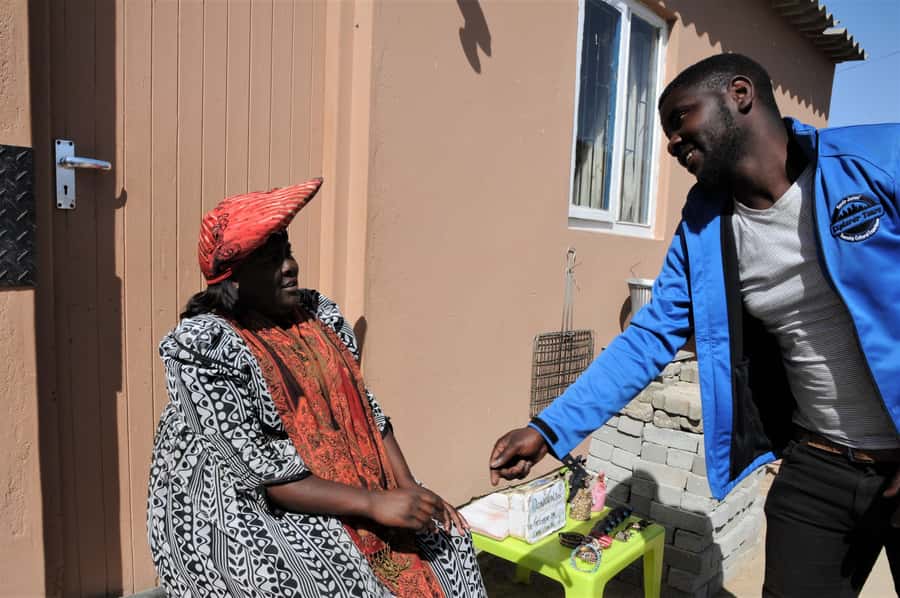
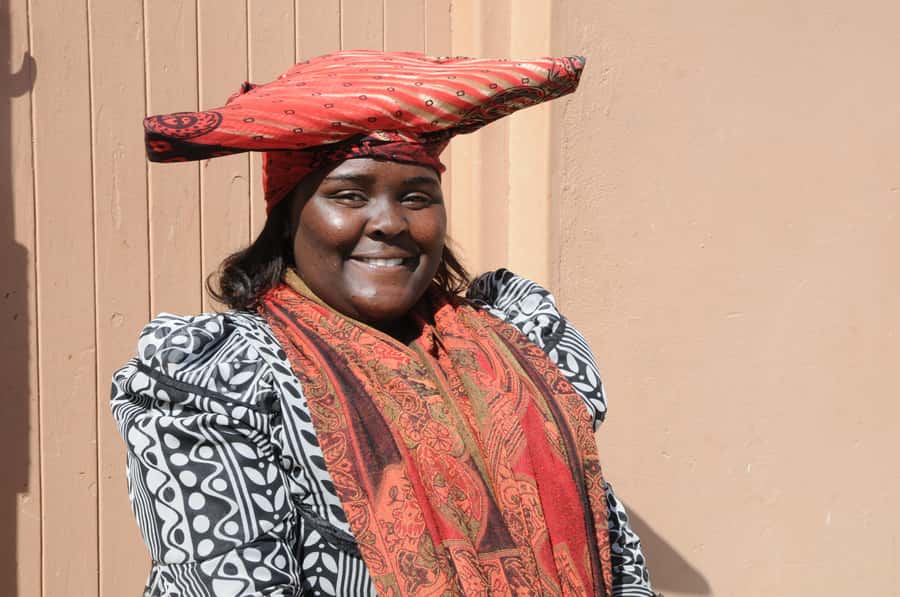
On afternoon and weekend tours, you also visit a Herero woman who discusses her dress and Herero culture. Her clothing is not treated as a costume prop. It opens a conversation about identity, tradition, and the way cultural practices are carried into modern life.
Pay close attention to the timing note. This stop is not listed for every departure, so you should choose an afternoon or weekend tour if it is a priority for you, then confirm availability when booking. A morning weekday visit may follow a different version of the route.
The tour covers both Nama and Herero culture, but it does not claim to represent every Namibian group. That is a useful limit to keep in mind. You are getting a focused introduction to selected local traditions, not a complete survey of the country’s many communities.
A shebeen stop and a family meal
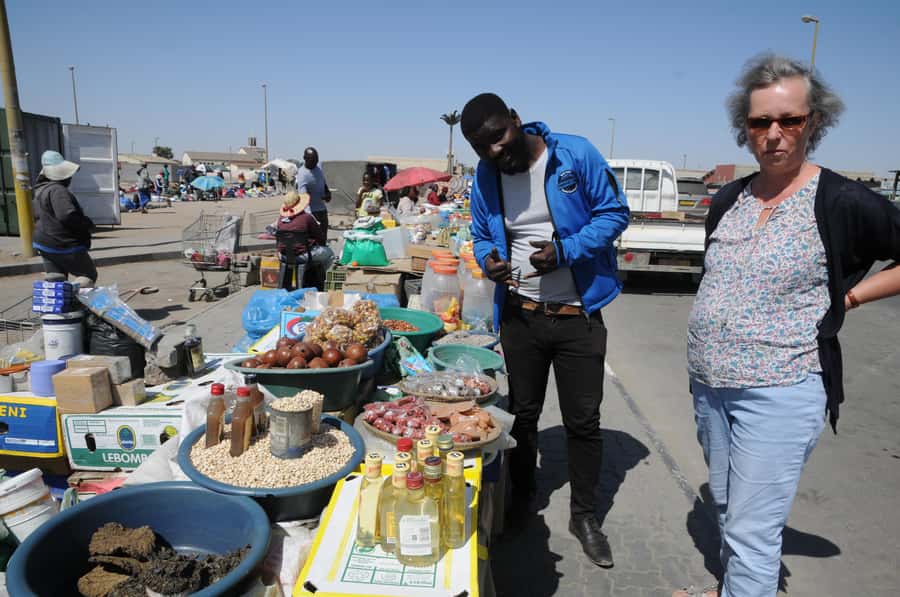
The food portion gives the tour its most direct social contact. You stop for drinks at a shebeen, an African bar, then eat at a local family home in the township. The meal is included, and it turns the visit from observation into shared time around a table.
The menu can include ondjuhwa, or barbecue chicken; mahangu porridge made from millet; omakunde, or beans; oofukwa, or ground nuts; and onyandi, oombe, and ondunga, which are wild fruits and berries. Omagungu, or mopane worms, may also be served.
The food may be unfamiliar, but that is exactly why the meal can be worthwhile. Mahangu porridge and beans offer a more approachable introduction, while mopane worms are the item many people will notice first. You do not have to pretend every dish will become a favorite. Try what you can, ask questions, and be polite about what you choose not to eat.
The food list is a guide, not a guarantee of every item at every meal. Availability can change, and the tour does not provide a separate menu of substitutions. If you have dietary restrictions, ask about them before booking. The supplied information does not specify vegetarian, allergy, or religious dietary arrangements.
Drinks at a shebeen add another look at ordinary social life. This is a local bar stop, not a formal tasting. If you do not drink alcohol, ask your guide what nonalcoholic choices are available, since the tour details do not specify the drinks served.
Live a cappella music in a local setting
The tour includes a live a cappella performance. Music gives you a different way to encounter local culture, especially when it takes place as part of a community visit rather than on a large stage.
The information provided does not name the performers or state exactly where the singing takes place. It may be connected with the family visit or another local stop, so ask your guide when the performance will happen. Either way, this is one of the tour’s strongest cultural touches because it gives you more than an explanation of tradition. You hear it being practiced.
Be present and respectful during the performance. If you want photographs or video, check first. A private tour does not mean every part of the visit is private from the community.
Is $80 a fair price for three hours?
At $80 per person, the cost is best judged against what is included. You receive hotel pickup, transport within the tour, a private guide, cultural visits, and a traditional lunch or dinner. You are also paying for a small-group format and access to local homes and community members, not simply for a vehicle ride.
The value is strongest if you want a guided introduction to Mondesa and prefer personal contact over independent wandering. A private group lets you ask questions and avoid the pace of a large bus. The meal alone is not the reason to book, but it adds a substantial part of the experience.
The price may feel high if you only want a quick township drive or a short market visit. Three hours also means the tour covers several subjects briskly. You will get a broad introduction rather than a long workshop in Nama herbal practice, Herero history, food preparation, or housing policy.
Free cancellation up to 24 hours before the start and the option to reserve now and pay later make the booking less rigid. Transport is included, but souvenirs are not. Keep that distinction in mind if you plan to shop at the craft market.
Comfort, access, and who should book
The tour is listed as wheelchair accessible, but it also says it is not suitable for pregnant women or people with back problems. Those details may seem contradictory, so contact the operator before booking if you have mobility or comfort concerns. The route includes driving, walking, and community stops, and the exact conditions at each location are not described.
You should wear comfortable shoes and protect yourself from the sun. Do not bring pets, smoke during the activity, or carry luggage and large bags. A small personal bag with sunscreen, water, and essentials is more practical than a suitcase, though the supplied information does not specify whether water is provided.
I would recommend this tour to you if you want:
- A personal introduction to Mondesa
- Conversation with residents and cultural representatives
- A meal in a local family home
- Context about housing and community development
- English or German guiding
- A private outing that fits into a three-hour gap
I would be more cautious if you dislike unfamiliar foods, prefer formal museums, need a slow pace because of back trouble, or want a tour focused on Swakopmund’s colonial buildings and coastal sights. This outing has a clear community focus and asks you to be open, polite, and flexible.
Should you book the Mondesa Cultural Township Tour?
Book it if you want to understand a side of Swakopmund that you will not find by staying in the central tourist area. The strongest reasons are the guide with local ties, the family meal, the Nama herbalist, and the chance to see current housing work in DRC.
Choose an afternoon or weekend departure if the Herero cultural visit matters to you. Bring sun protection, wear practical shoes, and arrive ready to try at least a little of the traditional food. For $80, the tour offers good value when you want local conversation and cultural context, not just sightseeing from a vehicle.
FAQ
Where does the Mondesa Cultural Township Tour take place?
The tour takes place in Mondesa Township in Swakopmund, in Namibia’s Erongo region. It also includes a visit to DRC, or the Democratic Resettlement Community.
How long does the tour last?
The tour lasts three hours.
Does the tour include hotel pickup?
Yes. Pickup directly from your hotel accommodation is included.
Is transport included?
Yes. Transport is included in the tour price.
What languages are available?
The live guide and audio guide are available in English and German.
Is this a private tour?
Yes. The activity is operated as a private group.
Is a meal included?
Yes. A local traditional lunch or dinner is included, served at a local family home in the township.
What traditional foods might I try?
The food may include barbecue chicken, mahangu millet porridge, beans, ground nuts, mopane worms, and wild fruits and berries. The exact selection may vary.
Is the tour wheelchair accessible?
The activity is listed as wheelchair accessible. It is not suitable for pregnant women or people with back problems, so contact the operator if you have specific mobility or comfort needs.
Just added around Swakopmund
- 5 days Sossusvlei, Swakopmund and Spitzkoppe Camping★ 4.5 · 3 reviews
- 4 day Sossusvlei and Swakopmund Lodging★ 3.0 · 3 reviews
- Unforgettable Half Day Adventure, Explore Sandwich Harbour★ 5.0 · 3 reviews
- Spitzkoppe – Day Tour to the Spitzkoppe Mountain from Swakopmund★ 5.0 · 3 reviews
- Full-Day Tour in Namib Desert from Swakopmund, Namibia★ 5.0 · 3 reviews
- Spitzkoppe : via Zeila Shipwreck★ 5.0 · 3 reviews
- Pelican Point Peninsula Tour★ 5.0 · 3 reviews
- Walvis Bay Shore Excursion: Flamingos, Dune 7, Swakopmund★ 5.0 · 3 reviews
Swakopmund Tours, compared.

Walvis Bay: Marine Big 5 Luxury Catamaran Tour
Read our review →
Swakopmund: Desert Dunes Quad Biking with Optional Sandboard
Read our review →

Sandwich Harbour Adventure: Seals and Sandwich harbour dune drive
Read our review →
Swakopmund: Little Five Desert Wildlife Quad Biking Tour
Read our review →
Browse the lists this tour appears in