
Reviewed · SWAKOPMUND
From Swakopmund: Living Dunes Experience
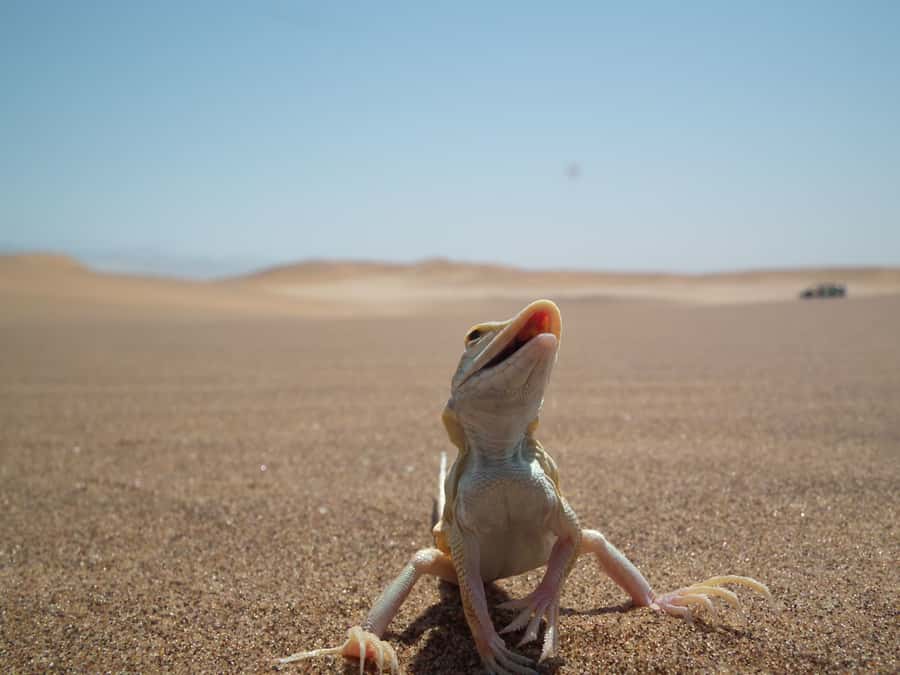
The most surprising thing about this tour is how much life hides in sand that first looks empty. Beyond Swakopmund, your guide reads tiny tracks and surface marks to find Palmato geckos, lizards, beetles, snakes, spiders, scorpions, and chameleons.
I like the close look at desert survival, since you learn how small animals cope with heat, cold, wind, and almost no rain. I also like the short dune drive at the end, which adds speed and broad views after the careful search on foot.
The main drawback is simple: this is a walking tour over loose sand, so it is not suitable for people with mobility impairments. Sightings also depend on conditions and your guide’s sharp eyes, though the search itself is the point.
Key points
- A three-and-a-half-hour wildlife search: Spend most of the time in the coastal dunes just outside Swakopmund, then finish with a short drive over the sand.
- Small desert specialists: Look for Palmato geckos, sand-diving lizards, tok-tokkie beetles, sidewinder snakes, spiders, scorpions, and chameleons.
- Guides who make the difference: Johnny, Björn, and Immanuel have each been praised for clear explanations, humor, careful handling, and strong spotting skills.
- Hotel pickup is included: Your driver collects you at your Swakopmund accommodation and returns you there afterward.
- Good value at $61: The price covers transport, an English-speaking guide, and still mineral water for a focused half-day nature experience.
- Bring sun protection: Sunscreen and a hat are essential. Food is not included, so plan around the 210-minute outing.
The Namib is alive beneath your feet
Swakopmund sits beside a stark belt of coastal dunes where the Atlantic’s cool air meets the dry Namib. From town, the sand can look like one broad, silent mass. The trick of this tour is learning to see it as a neighborhood full of tracks, burrows, hiding places, and small movements.
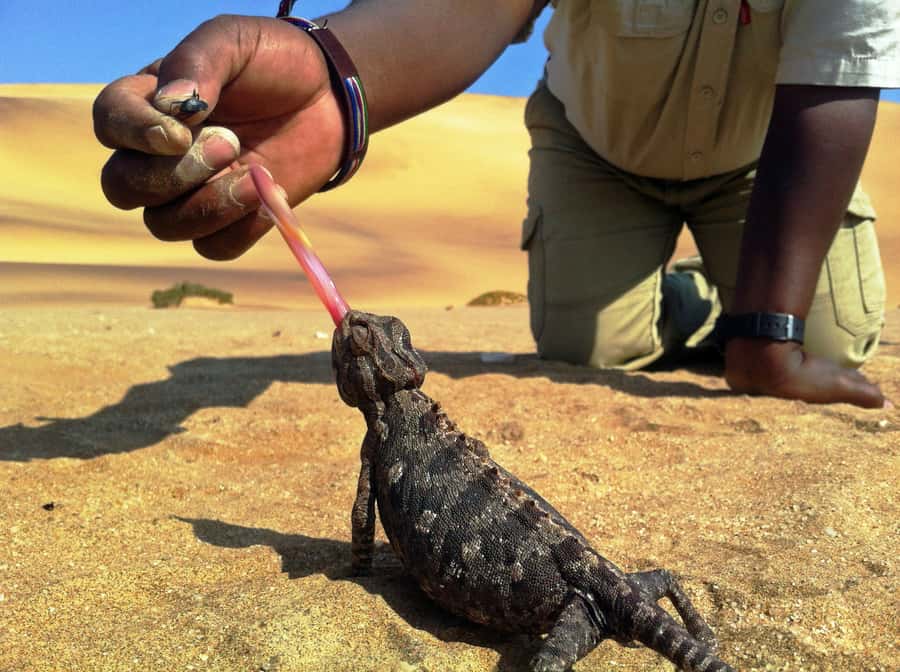
I like this change in scale. A safari usually trains your eyes to scan the horizon for large animals. Here, you lower your gaze and start noticing a faint line in the sand, a ripple that does not match the wind, or a tiny creature built for a life that would be impossible for most animals.
The Namib has an unusually high number of species found nowhere else. Your guide explains those special adaptations as you search, turning each sighting into a small natural-history lesson rather than a quick look at an unusual animal.
This is also a good choice if you have already seen Namibia’s larger wildlife elsewhere. The focus is not on elephants, lions, or antelope. It is on the animals that hop, crawl, slither, and disappear almost as soon as you spot them.
A few more Swakopmund trips worth a look
- Walvis Bay: Marine Big 5 Luxury Catamaran Tour
★ 4.8 · 1,012 reviews - Swakopmund: Desert Dunes Quad Biking with Optional Sandboard
★ 4.9 · 590 reviews - Walvis Bay and Sandwich Harbour Tour
★ 4.8 · 483 reviews
Leaving Swakopmund for the coastal dunes
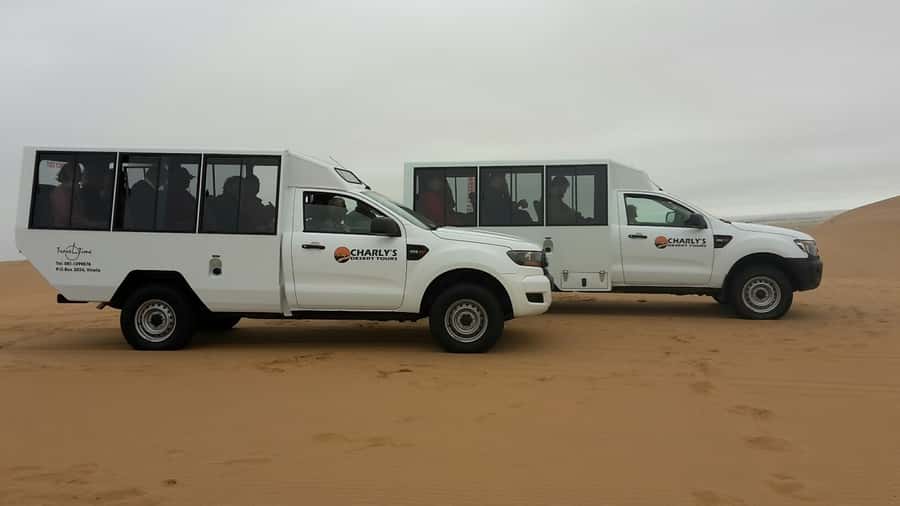
Pickup takes place at your accommodation in Swakopmund. The first vehicle transfer is listed as about five minutes, so you are quickly beyond the city and entering the coastal dune belt.
That short ride matters because it keeps the experience compact. You do not spend half the morning on a long road transfer. Most of your 210 minutes go toward the actual search, explanations, walking, scenery, and dune driving.
The drive into the sand also gives you an early look at the setting. The scenery is broad and spare, with rippled slopes and open lines that make the city feel far away even though it is close. Bring your camera, but keep it ready for the ground as well as the horizon.
The exact route and animals found can change. Desert wildlife does not follow a schedule, and the guide may spend more time in one area if tracks or conditions look promising. That flexibility is useful, though you should not treat any particular animal as guaranteed.
Learning to read tiny tracks
The main portion of the tour lasts about three hours and fifteen minutes, including the safety briefing, guided walk, photo stops, scenic views, and wildlife search. The guide does more than point out animals. You learn how to notice the signs they leave behind.
A line across the sand may show where a lizard moved. A small mark can suggest the direction of travel. Other clues may be nearly invisible until the guide shows you what to look for. This is where the experience earns its price: you are not simply being driven past dunes, you are being taught how to read them.
The guides also explain how desert animals manage scarce water and extreme conditions. The famous fog-basking tok-tokkie beetle is a useful example of the Namib’s inventive survival methods. Its name refers to a beetle adapted to collect moisture from coastal fog, a detail that helps you understand why this desert can support life despite its dry appearance.
The presentation style seems to be a real strength. Johnny has been praised for finding the Small Five, explaining carefully, treating the animals gently, and adding humor. Björn is also noted for clear explanations and showing a wide range of creatures. Immanuel has been praised for both his comic manner and his ability to locate four of the Small Five.
Those details matter because this kind of outing depends heavily on the guide. A person who knows the animals but cannot explain them would give you a weaker experience. A person who speaks well but misses the wildlife would do the same. Here, the guide’s role is both naturalist and spotter.
The animals you may find in the sand
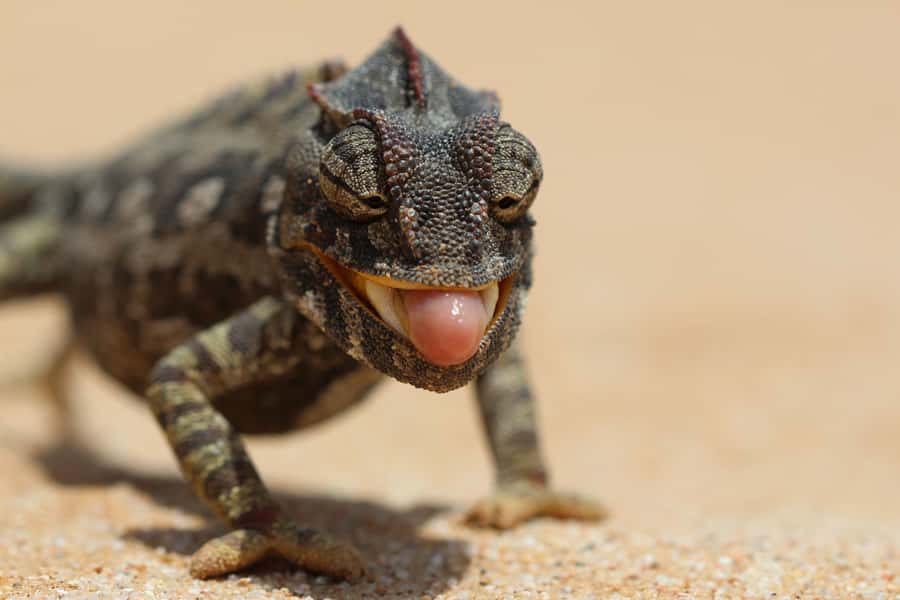
The advertised search includes Palmato geckos, sand-diving lizards, tok-tokkie beetles, sidewinder snakes, spiders, scorpions, and chameleons. The list covers several different ways of surviving in the dunes, from animals that move across the surface to those that vanish into it.
Palmato geckos are one of the memorable targets because they are small and closely tied to this sandy habitat. Lizards can be especially hard to follow, since their tracks fade quickly and their bodies match the sand.
Sidewinder snakes add a different kind of excitement. Their sideways movement leaves a distinctive pattern, and your guide can help you connect that pattern to the animal that made it. Spiders and scorpions are easy to miss unless you know where and how to look, which is exactly why a trained guide is useful.
Chameleons and beetles add variety to the search. You might be looking down at tracks one moment and scanning a plant or dune surface the next. The activity rewards patience more than speed, so keep your expectations focused on discovery rather than a fixed checklist.
If you are hoping for large numbers of animals, this may feel too quiet. If you enjoy careful observation and unusual natural facts, the slower pace becomes a strength. Every sighting feels earned without turning the animals into props.
Same country, a completely different kind of day:
- Scenic Sandwich Harbour Tour
★ 5.0 · 277 reviews - Sandwich Harbour Adventure: Seals and Sandwich harbour dune drive
★ 5.0 · 165 reviews - Scenic Desert Tour by Bike
★ 5.0 · 165 reviews - Swakopmund: Little Five Desert Wildlife Quad Biking Tour
★ 4.8 · 123 reviews
A careful approach to desert wildlife
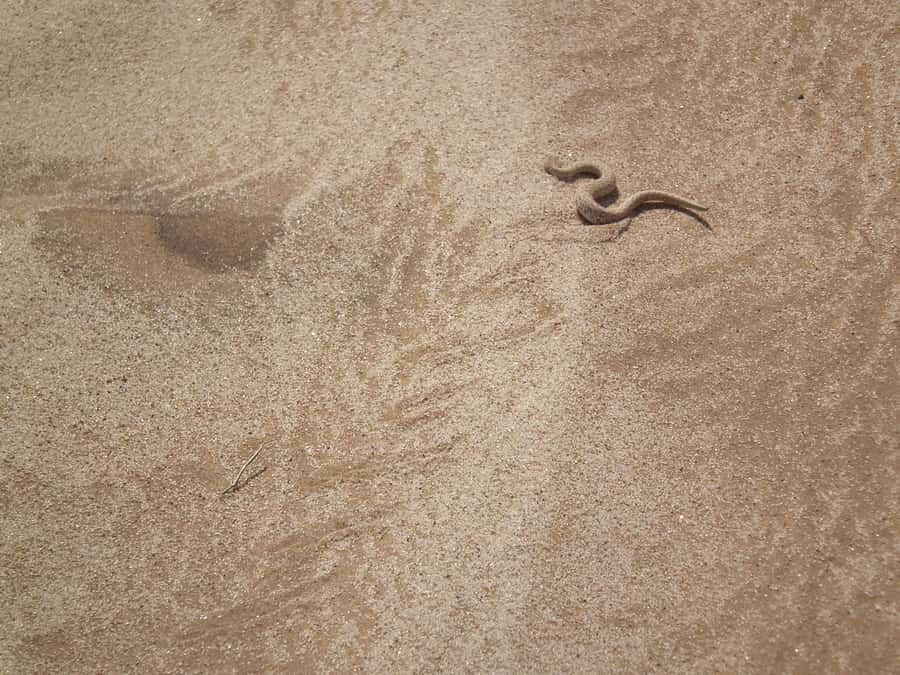
The guides’ treatment of the animals is worth noting. Johnny, in particular, has been praised for handling creatures carefully and explaining them with humor rather than rushing through the encounter.
That approach is important in a fragile desert. Small animals can be easy to disturb, and a good guide keeps the focus on observation and respect. The experience gives you a chance to see creatures that many people would walk past without noticing, while showing why they belong in this demanding environment.
You should still follow instructions closely. Stay with the guide, watch where you step, and avoid reaching toward an animal unless you are specifically told to do so. Sunscreen and a hat are listed as essentials, and I would treat them as part of the basic kit rather than optional extras.
The dunes can be bright and exposed. Even when the air feels cool near the coast, the sun can be strong. Wear clothing that protects you from the sun, and use footwear that you can walk in comfortably on sand. The activity information does not specify footwear, so choose practical shoes rather than assuming the surface will be firm.
Why the final dune drive works
After the wildlife search, the tour picks up some speed with a short dune drive. The vehicle portion is listed at about 15 minutes before you return to Swakopmund.
This is not a separate full-length driving adventure. It is a brief change of pace after the close, quiet work of finding small creatures. You get a stronger sense of the dunes as moving terrain, with wider views and a little more momentum.
I like that contrast. The walking section asks you to slow down and study details. The drive lets you sit back and enjoy the shape of the sand. Together, the two parts give the outing a better rhythm than a wildlife walk alone.
The drive also provides good photo opportunities, especially if you want broader images after taking close shots of animals and tracks. The tour description does not promise a particular driving route or speed, so think of this as a scenic finish rather than a dedicated thrill ride.
What the $61 price covers
At $61 per person, this tour offers solid value if you want a guided half-day in the dunes rather than a general sightseeing transfer. The cost includes pickup and drop-off at your Swakopmund accommodation, an English-speaking guide, and still mineral water.
The strongest part of the value is the guide’s specialist eye. Without that help, you could spend hours in the dunes and see little beyond sand. The fee pays for access to a trained search, explanations of desert biology, transport from town, and a final dune drive.
Food is not included. Since the outing lasts 210 minutes, you may want to eat before pickup or arrange food for afterward. The provided information does not specify a meal stop, so do not count on lunch being part of the plan.
The tour also offers free cancellation up to 24 hours before departure and a reserve-now, pay-later option. Those terms are useful if your Swakopmund plans may shift, but check the available starting times before booking because the schedule is not fixed in the information provided.
Who will enjoy this most
I would recommend this for curious adults, families with an interest in nature, photographers, and anyone who likes the satisfaction of finding small things in a large setting. It is also a smart addition to a Namibia trip built around larger wildlife, since it shows you a completely different side of the country.
You do not need to be an expert in reptiles or insects. The guide supplies the context and teaches you what to notice. A willingness to walk on sand and pay attention matters more than prior knowledge.
The activity is less suitable if you have mobility impairments, dislike walking on loose surfaces, or want a guaranteed list of animals. It is also not the best match if your main goal is a long, high-speed 4×4 ride. The drive is short, while the wildlife search takes up most of the time.
The social side may vary with the group, since no group size is provided. Still, the live English guide format gives you a chance to ask questions and follow the search as it develops. The strongest moments will likely come when your guide spots something you would never have seen alone.
Practical tips for a better outing
Put sunscreen on before pickup and bring more if you normally need to reapply it. A hat is specifically recommended, and sunglasses can make it easier to look across bright sand, though only sunscreen and a hat are listed as required items.
Keep your camera or phone easy to reach. The tour includes photo stops and scenic views, but tiny animals may not remain visible for long. At the same time, do not let photography distract you from the explanation, since the behavior and adaptation are a major part of the experience.
Eat before you go if you expect to need food during the three and a half hours. Still mineral water is included, but food is not.
Finally, approach the tour with a searcher’s mindset. Do not judge the outing by how quickly you find the first animal. The pleasure comes from learning why a track matters, how a creature blends into the sand, and how a guide turns an apparently empty place into a living one.
Should you book the Living Dunes Experience?
Book it if you want a focused nature outing from Swakopmund, especially if small reptiles, insects, and desert survival interest you. The $61 price is reasonable for hotel transport, a specialist English-speaking guide, water, nearly three hours of guided exploration, and a short dune drive.
I would be especially keen to book with a guide such as Johnny, Björn, or Immanuel if available, since their clear explanations, humor, careful handling, and spotting skills are central to the experience. Just remember that names and animal sightings are not guaranteed for every departure.
Skip it if walking on loose sand is difficult or if you want a big-animal safari. For everyone else, this is an engaging way to discover that the Namib is not empty at all. It simply rewards you for looking closer.
FAQ
Where does the Living Dunes Experience take place?
The tour takes place in the coastal dune belt just outside Swakopmund, in Namibia’s Erongo region.
How long does the tour last?
The activity lasts 210 minutes, or about three and a half hours.
What animals can I look for?
The search may include Palmato geckos, sand-diving lizards, tok-tokkie beetles, sidewinder snakes, spiders, scorpions, and chameleons.
Is hotel pickup included?
Yes. Pickup and drop-off are included from your accommodation in Swakopmund.
What language does the guide speak?
The live tour guide speaks English.
What should I bring?
Bring sunscreen and a hat. Still mineral water is included, but food is not.
Is the tour suitable for people with mobility impairments?
No. The activity is not suitable for people with mobility impairments.
Just added around Swakopmund
- 5 days Sossusvlei, Swakopmund and Spitzkoppe Camping★ 4.5 · 3 reviews
- 4 day Sossusvlei and Swakopmund Lodging★ 3.0 · 3 reviews
- Unforgettable Half Day Adventure, Explore Sandwich Harbour★ 5.0 · 3 reviews
- Spitzkoppe – Day Tour to the Spitzkoppe Mountain from Swakopmund★ 5.0 · 3 reviews
- Full-Day Tour in Namib Desert from Swakopmund, Namibia★ 5.0 · 3 reviews
- Spitzkoppe : via Zeila Shipwreck★ 5.0 · 3 reviews
- Pelican Point Peninsula Tour★ 5.0 · 3 reviews
- Walvis Bay Shore Excursion: Flamingos, Dune 7, Swakopmund★ 5.0 · 3 reviews
Swakopmund Tours, compared.
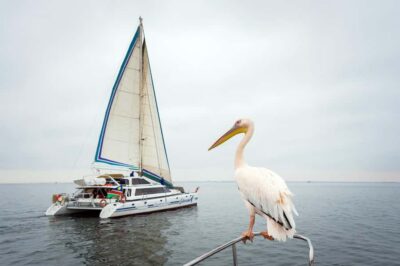
Walvis Bay: Marine Big 5 Luxury Catamaran Tour
Read our review →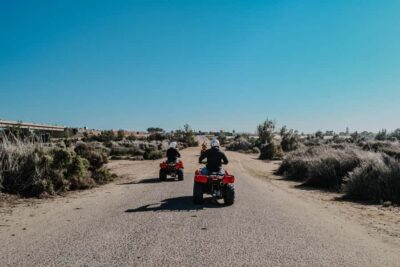
Swakopmund: Desert Dunes Quad Biking with Optional Sandboard
Read our review →
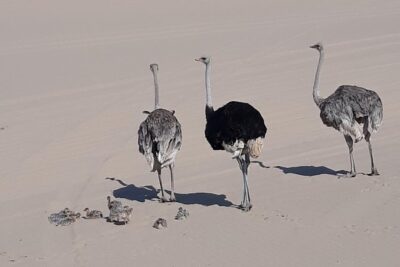
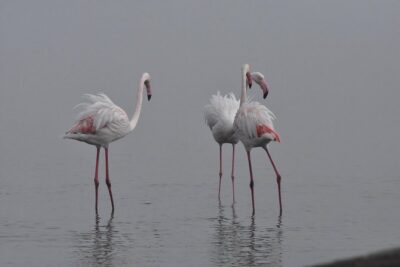
Sandwich Harbour Adventure: Seals and Sandwich harbour dune drive
Read our review →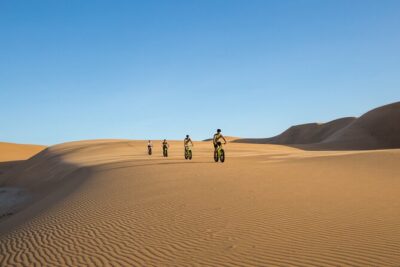
Swakopmund: Little Five Desert Wildlife Quad Biking Tour
Read our review →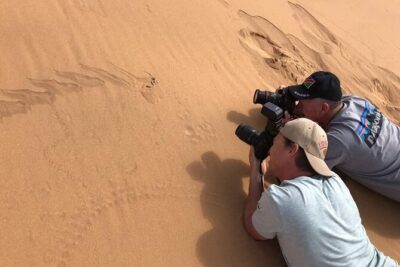
Browse the lists this tour appears in