
Reviewed · WINDHOEK
Kapana & Traditional Food Tour; A Namibian Experience
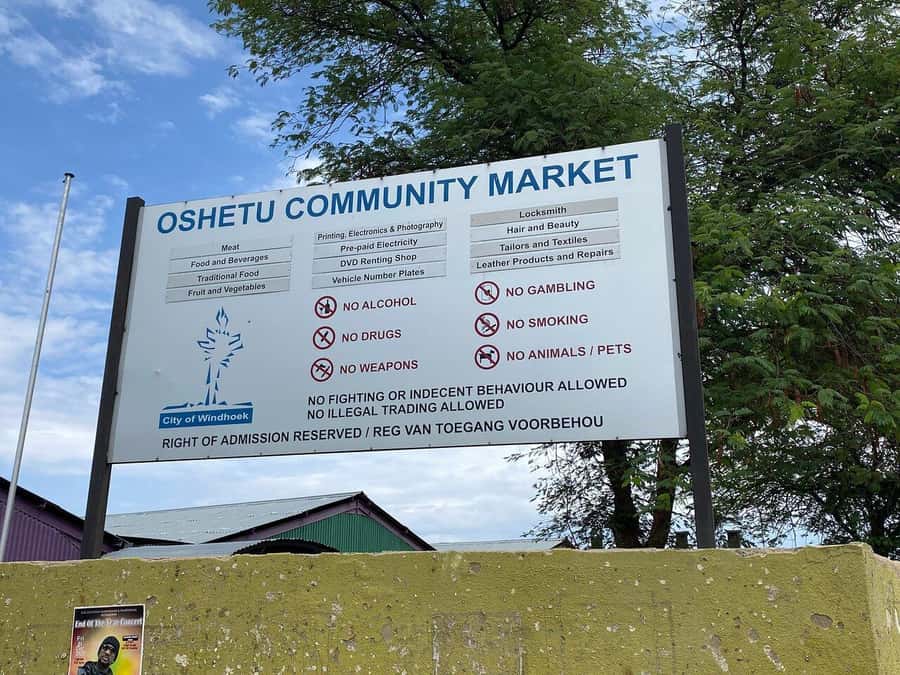
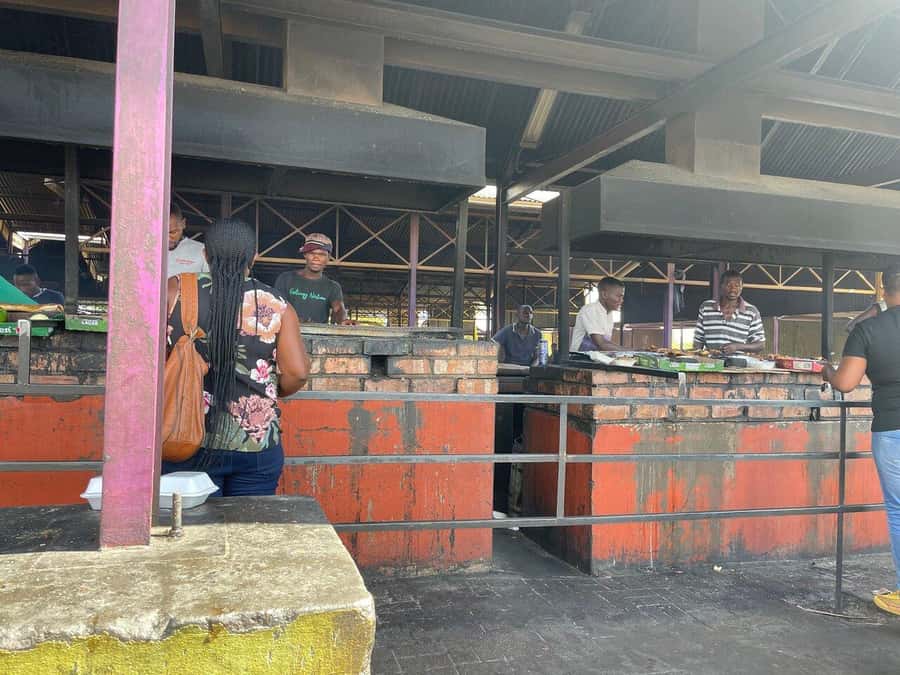
Kapana is the star here: small pieces of beef grilled over open fire and sold hot as they cook. At Single Quarter and Oshetu Local Market, you see the meat, smoke, spices, vendors, and customers all working together. The food is immediate and social, not a polished restaurant version of Namibia.
I like the chance to taste kapana beside locals, and I like the second meal, where you can try several traditional dishes in a sit-down setting. Guides such as Helena, Vicky, and Aune add useful context about ingredients and daily life. The main consideration is simple: vegetarians should skip this tour, and big portions may limit how many dishes you can sample.
Key points at a glance
- Kapana over open fire: Watch beef cut into small pieces, grilled, seasoned, and served while hot.
- Single Quarter and Oshetu Market: Go beyond central Windhoek to see a local food market and township setting.
- Two-part food experience: Pair smoky street meat with a fuller meal of traditional Namibian dishes.
- Friendly English-speaking guides: Helena, Victoria, Vicky, and Aune are among the guides named by guests on recent departures.
- Private four-hour outing: Hotel pickup, transport, food, mineral water, and hotel drop-off are included.
- Bring cash: Drinks are not included, and cash is listed as something to bring.
Why kapana belongs on your Windhoek food list
If you have only eaten Namibian food in formal restaurants, kapana gives you a very different introduction. The dish is grilled beef, cut into bite-sized pieces and sold directly from the fire. It is named from the Oshiwambo word for meat, and it is closely tied to Namibia’s street food culture.
The appeal is not only the beef. You get the sight and smell of meat cooking in front of you, the quick exchange between vendor and customer, and the chance to eat food that is part of everyday social life. Kapana is often served with spicy seasoning, tomato and onion relish, bread rolls, pap, or hot chili sauce.
I like that the cooking remains visible. You are not handed a mysterious plate from a kitchen door. You can watch the grilling, talk with your guide about what is being served, and take in the market surroundings at the same time.
The food can be spicy, though the exact level depends on the seasonings and sauces offered. If you prefer mild flavors, ask your guide what to try first. If you enjoy heat, the chili sauces give you a way to push the meal further.
More food tours in Windhoek:
- Sandwich Harbour 4X4 Excursion Tour Food and Drinks
★ 5.0 · 48 reviews
From Windhoek Central to Single Quarter
The tour begins with pickup at your accommodation in Windhoek Central. The driver looks for you at the hotel lobby or reception, so you should be ready there at the agreed time. Transport is covered throughout the outing, including fuel, which makes the $50 price easier to assess.
The drive takes you toward the township area of Single Quarter. This shift matters. Central Windhoek can feel planned and formal, while the market setting gives you a closer look at where food is bought, cooked, and shared in a more ordinary local setting.
Because this is a private group tour, the pace should feel more personal than a large coach outing. You can ask questions as you go, and the guide can explain unfamiliar ingredients or customs without addressing a crowd.
The exact starting time depends on availability, so check before booking. The full experience lasts four hours, including the market visit, food tasting, traditional meal, and return to Windhoek Central.
Watching kapana cook at Oshetu Local Market
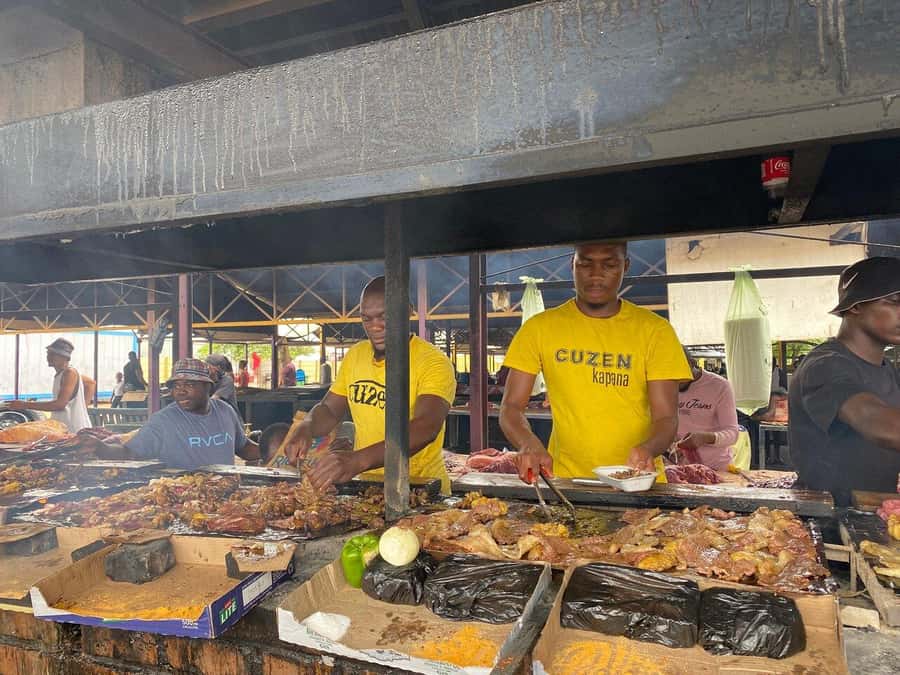
The market visit is the heart of the outing. At Oshetu Local Market, kapana is prepared outdoors over open flames. Beef is cut into small pieces, placed on the grill, seasoned, and sold as it cooks.
This is a practical food lesson. You can see how the dish moves from raw meat to a hot snack in a short time. The open-fire cooking gives the beef a smoky flavor, while salt, pepper, chili, and local spice blends add more bite.
The serving style is part of the fun. Customers may choose cuts and ask for meat cooked to a preferred level, such as rare, medium, or well-done. The supplied details do not promise that every vendor will offer every choice, so think of this as a possible part of the interaction rather than a fixed menu.
Kapana commonly comes with a tomato and onion relish called kapana sauce. You may also find fresh bread rolls, pap, and chili sauces. The combination gives you several textures: grilled meat, soft starch, fresh relish, and sharp heat.
Bring cash. It is specifically recommended for the experience, and cash is useful in a market setting. Drinks are not included, so budget separately if you want something beyond the supplied mineral water.
The social side of a street-food meal
Kapana is often enjoyed around a shared plate, with people talking while the meat is cooked and passed around. That communal quality is one reason I would choose this tour over a simple restaurant lunch.
You are not just tasting a national dish in isolation. You are seeing how food works as a meeting point. Friends and families gather, vendors prepare portions to order, and the meal unfolds in public rather than behind a closed kitchen.
This is also where having a guide helps. Helena is specifically praised for explaining common ingredients, how they are prepared, and what they are used for. Vicky and Aune are noted for sharing information about local behavior and background, while Victoria is identified as a driver and meal companion.
The guide names may vary by departure, but English is the tour language. The strongest part of the experience is likely to be the conversation around the food, so do not rush through the tasting. Ask about the sauces, the meat cuts, and the role of kapana in Windhoek life.
Same country, a completely different kind of day:
- Windhoek: City and Township Tour
★ 4.8 · 430 reviews - Half-Day Windhoek City and Township Cultural Tour
★ 4.5 · 187 reviews - Windhoek: Bushman Walk with the San
★ 4.9 · 145 reviews - 6-Day Dunes and Wildlife Accommodated Safari from Windhoek
★ 5.0 · 123 reviews
A traditional meal in a local restaurant
After the market, the group drives to a local restaurant for a larger meal of traditional food. This changes the mood from quick street tasting to a more settled food experience.
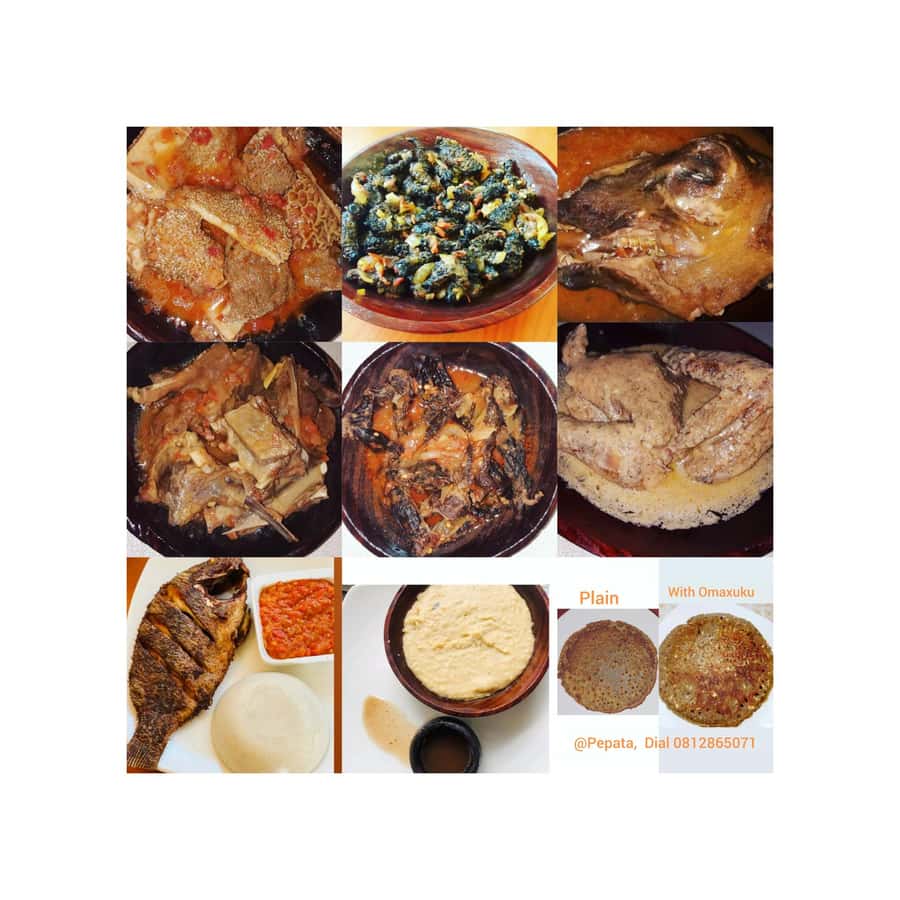
The restaurant serves a variety of dishes, giving you a chance to sample beyond kapana. The exact menu is not specified, so you should expect a selection rather than a guaranteed list of named recipes.
Portions can be generous. That is good value, but it creates a small challenge: if you want to try many dishes, take modest servings at first. A full plate of one favorite can leave little room for the rest.
The meal also gives you time to talk with the guide. The food becomes easier to understand when someone explains ingredients and preparation instead of leaving you to guess. This is especially helpful if pap or other traditional dishes are new to you.
I like this two-stop design. Kapana shows you fast, smoky street food, while the restaurant meal gives you a broader look at Namibian cooking. One stop alone would be less useful. Together, they create a fuller picture of how people eat in different settings.
What the $50 price really covers
The price is $50 per person for four hours. Included are hotel pickup and drop-off, transport during the tour, fuel, kapana, traditional food, and mineral water.
That is a fair package if you value convenience and explanation. You are not paying only for a plate of meat. You are also paying for transport from Windhoek Central, a private group format, a market visit, a second meal, and an English-speaking guide.
The value is strongest for first-time visitors who would not feel comfortable finding Single Quarter or Oshetu Local Market alone. The tour removes the need to arrange a car and gives you a local contact who can explain what you are seeing.
Drinks are extra, and anything not listed is also extra. Keep some cash with you for beverages or possible market purchases. Since food is included at both stops, the main additional cost should be modest unless you order several drinks or buy something separately.
Free cancellation is available up to 24 hours in advance for a full refund. You can also reserve now and pay later, which helps if your Windhoek schedule is still changing.
Who will enjoy this most
I would recommend this outing to curious eaters who want local food in a setting that feels connected to daily life. It suits solo visitors particularly well because the private format gives you plenty of time to speak with the guide.
It also works for couples, families with adventurous older children, and small groups who want a relaxed food-focused morning or afternoon. The four-hour length leaves room in your Windhoek schedule for other sights.
This is not the right pick for vegetarians. The tour centers on beef kapana, and the supplied information specifically marks it as unsuitable for vegetarians.
You should also choose another activity if you want a formal culinary class. This is a tasting and cultural outing, not a hands-on cooking workshop where you prepare the meal yourself.
Small details that improve the day
Wear clothes that you do not mind around cooking smoke. The kapana is grilled outdoors, so smoke and food aromas are part of the setting.
Bring a camera if you want to record the market, the open-fire cooking, and your plates. Ask before photographing people or vendors, and follow your guide’s lead.
Keep an open mind about unfamiliar dishes. You do not need to love every item to get value from the meal. A small taste can still tell you something about local ingredients and eating habits.
Since portions at the restaurant may be large, pace yourself at the market. Kapana is easy to keep eating because it arrives in small pieces, but saving room for the second meal is worthwhile.
The tour is conducted in English. If an ingredient or dish is unfamiliar, ask for its name and preparation. The food is more memorable when you know what you are eating.
The strongest parts of the experience
The highest praise goes to the guides and the food itself. Helena is described as engaging and interesting, while Vicky, Aune, and Victoria are noted for their cheerful company and useful explanations.
The market visit also earns strong approval because it takes you outside the main city area and shows more of how people live and eat in Windhoek. That is important context. You are not simply being driven to a restaurant selected for tourists.
The kapana is repeatedly singled out as a highlight. It is the dish that gives the tour its identity, and the open-fire preparation makes it more than a standard beef tasting.
The traditional restaurant meal adds range. You get a chance to try several dishes, though generous portions mean you may need to choose carefully.
Should you book this Windhoek food tour?
Book it if you want a friendly, food-centered look at Windhoek that includes both street cooking and a traditional restaurant meal. The $50 cost is sensible for a four-hour private outing with transport, two food stops, water, and a guide who can explain the setting.
I would especially choose it early in a Windhoek stay. The market visit can help you understand local food culture before you continue through Namibia, and the guide can add useful context to what you see elsewhere.
Skip it if you are vegetarian, dislike beef, or want a quiet fine-dining experience. For everyone else, this is a strong choice for tasting kapana properly: hot from the fire, shared around a market, and followed by a fuller meal that gives you more than one bite of Namibian cooking.
FAQ
Where does the Kapana and Traditional Food Tour take place?
The tour operates in Khomas, beginning with pickup in Windhoek Central. It includes the township area of Single Quarter and Oshetu Local Market before returning to Windhoek Central.
How long does the tour last?
The experience lasts four hours, including transport, the market visit, kapana tasting, the traditional meal, and hotel drop-off.
What is kapana?
Kapana is beef cut into small pieces and grilled over an open fire. It is sold hot as it cooks and may be served with spices, kapana sauce, pap, bread rolls, or chili sauce.
Is hotel pickup included?
Yes. Pickup and drop-off are included from your accommodation or hotel. The driver will look for you at the hotel lobby or reception.
What food is included?
Kapana, traditional food at a local restaurant, and mineral water are included in the price.
Are drinks included?
No. Beverages are not included, so bring money if you want drinks beyond the supplied mineral water.
Is the tour suitable for vegetarians?
No. The activity is listed as unsuitable for vegetarians because kapana and the food experience center on meat.
What language does the guide speak?
The tour is conducted in English.
Can I cancel or pay later?
You can cancel up to 24 hours before the activity for a full refund. Reserve-now, pay-later booking is also available.
Just added around Windhoek
- From Windhoek: 3-Day Sossusvlei Shared Shuttle Tour★ 3.8 · 3 reviews
- Windhoek: Katutura Township Tour with Local Guide★ 3.5 · 3 reviews
- Knight Vibes: Bars, Shebeen, Clubs Crawl Windhoek★ 5.0 · 3 reviews
- 3 day Sossusvlei Camping★ 5.0 · 3 reviews
- 10 DAYS BEAUTY OF NAMIBIA | Guided Lodge★ 5.0 · 3 reviews
- Windhoek: City & Township tour. Vehicle, guide, kapana★ 4.2 · 4 reviews
- Predator Encounter: Half-Day Carnivore Feeding Windhoek★ 4.0 · 5 reviews
- Airport Transfers★ 5.0 · 5 reviews
Windhoek Tours, compared.
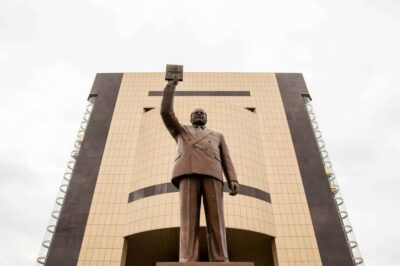
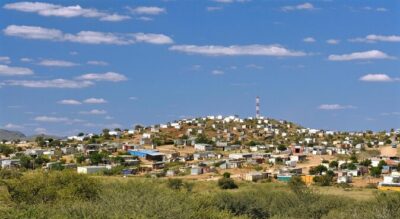
Half-Day Windhoek City and Township Cultural Tour
Read our review →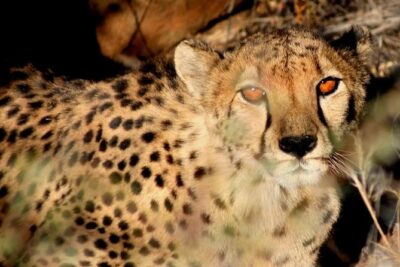
6-Day Dunes and Wildlife Accommodated Safari from Windhoek
Read our review →10-Day Namibia Highlights Guided Tour from Windhoek
Read our review →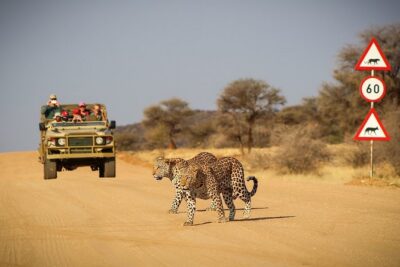
Namibia Self-Driving Audio Guide (in English & German)
Read our review →
Traditional Cooking Class – Mahangu pap for beginners
Read our review →Browse the lists this tour appears in