
Reviewed · WINDHOEK
Windhoek: Katutura Township and City Walking Tour
Windhoek’s most revealing moments come when the grand colonial buildings give way to Katutura township, local markets, and ordinary homes. This three-hour private tour connects those very different parts of the capital, with guide James adding personal stories and introductions that can take you well beyond the usual city center.
I like the mix of major landmarks and everyday community life, and I like that the tour includes traditional food, crafts, and markets rather than treating Windhoek as a quick photo stop. The main catch is timing: on Sundays, many museums, churches, shops, and public buildings are closed, so the advertised route may change sharply.
Key points to know
- Katutura is the emotional center: You may see community life up close and, depending on the guide, visit a local home.
- James is the named guide: His history background and personal connections are a major part of the experience.
- The route covers a lot: Expect a mix of walking and driving, despite the tour being described as a walking tour.
- Sunday needs special care: Several planned stops were closed during one Sunday outing, and the schedule changed.
- Food is part of the story: Pepata Traditional Food Restaurant is included as a stop, but meals and drinks cost extra.
- Private groups offer flexibility: You can ask questions and spend more time on the parts that matter most to you.
A quick route through Windhoek’s past
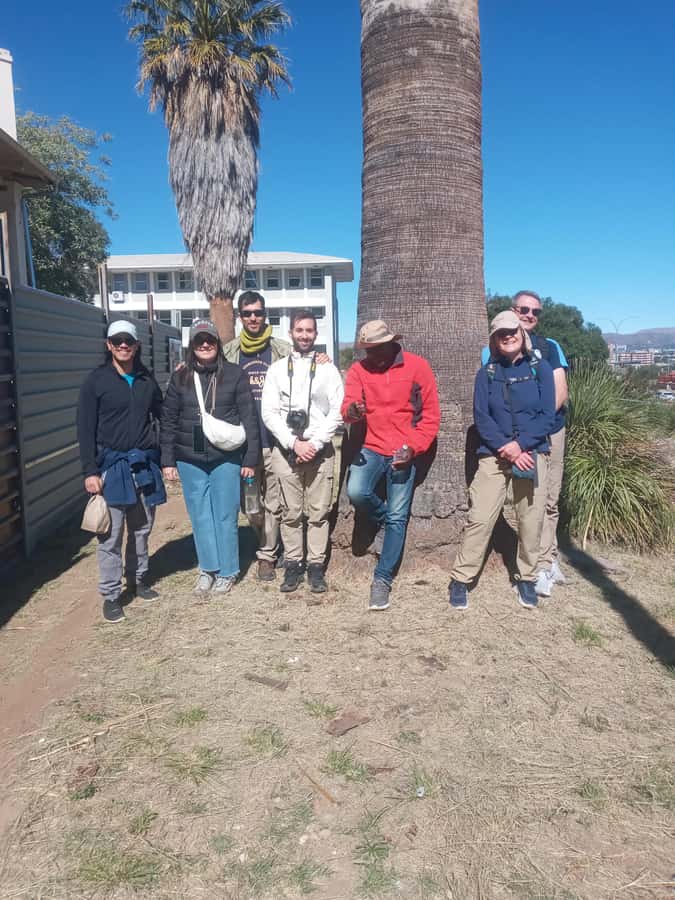
At $49 per person, this tour is priced as a compact introduction to Windhoek rather than a slow, specialist walking experience. You get a guide, pickup, a private group, and a broad route through the city and township areas.
The three-hour length is useful if you have only a short stay in Windhoek, a long airport gap, or a free morning before heading onward. Karen from the United Kingdom booked it during a brief stop in the city and found that it covered a great deal in limited time. That is exactly where this tour makes sense.
The tradeoff is pace. The program includes Christuskirche, the Parliament, two memorial sites, a crafts center, a restaurant, China Town, Okahandja Park, the Single Quarter market, and Old Location. You cannot expect a detailed visit inside every place in three hours. Some locations are likely to be brief stops or drive-throughs, particularly when opening hours are limited.
Pickup is included in Windhoek, and the group is private. The information asks you to wait at your pickup area, so be ready at the agreed location rather than assuming the guide will search through a hotel lobby or terminal.
More Windhoek city tours:
- Windhoek: City and Township Tour
★ 4.8 · 430 reviews - Half-Day Windhoek City and Township Cultural Tour
★ 4.5 · 187 reviews - Windhoek: Bushman Walk with the San
★ 4.9 · 145 reviews
Christuskirche and the Tintenpalast
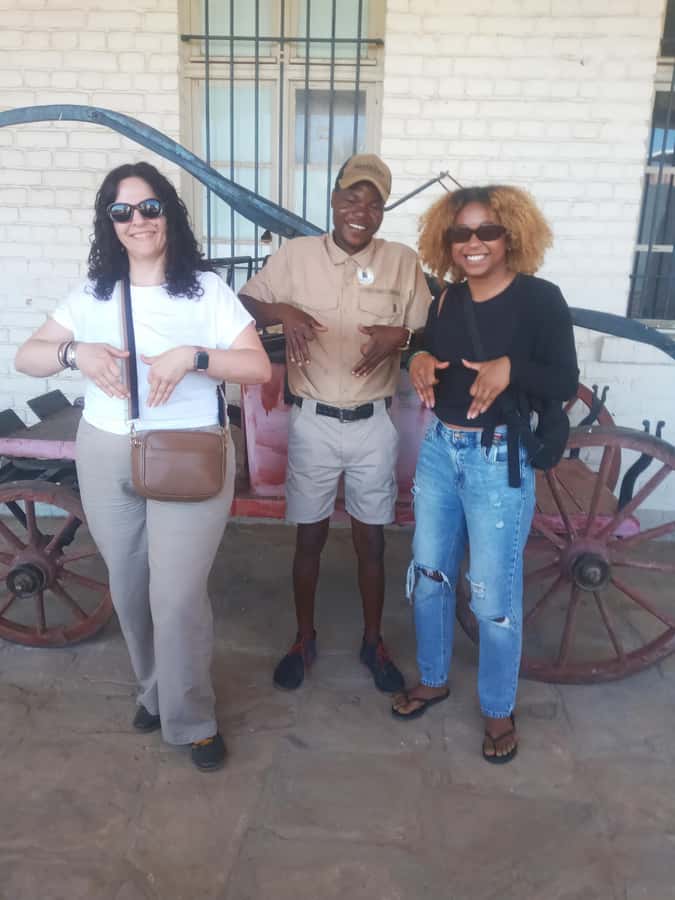
The tour begins with Christuskirche, also called the German Lutheran Church. German settlers built the church between 1907 and 1910, and its presence introduces the city’s colonial chapter in a very visible way.
You can expect the guide to explain the building’s place in Windhoek’s German past rather than simply point out its architecture. It is a useful first stop because Namibia’s modern identity is tied to several overlapping histories, including German colonial rule, South African administration, independence, and the lives of many ethnic communities.
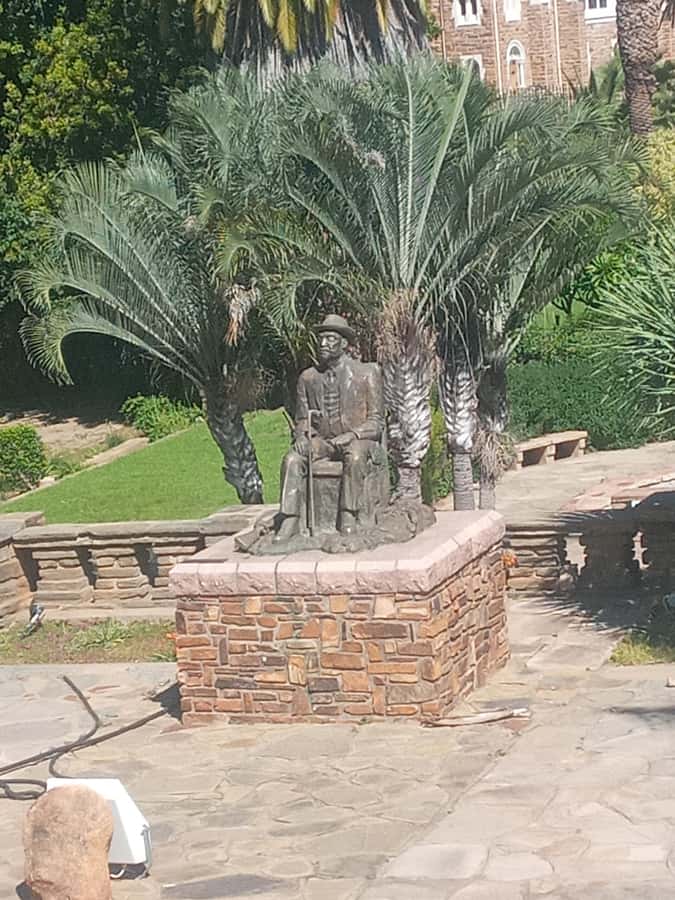
The next landmark is the Parliament of the Republic of Namibia, known as the Tintenpalast. German settlers constructed the building, and it now represents the country’s independent government. Seeing these two sites together creates a sharp contrast: one reflects imported colonial power, while the other functions as a national political center.
Do not count on a full interior visit. One Sunday outing found the parliament, Christuskirche, and several other scheduled stops closed. Even when open, a three-hour city tour may allow only a short exterior look.
Independence Memorial Museum and the Genocide Memorial
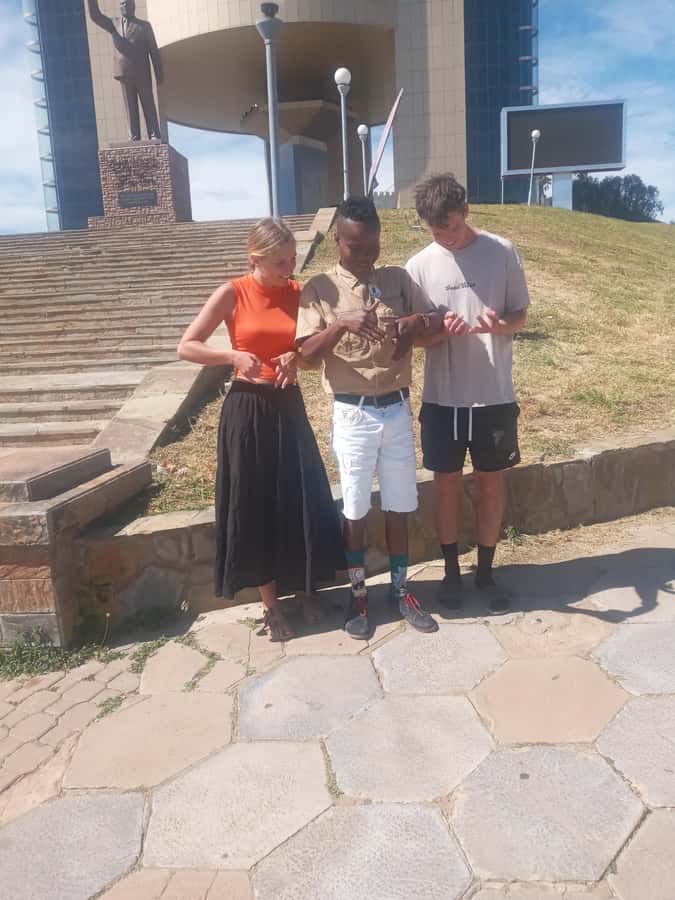
The Independence Memorial Museum was built by North Korea in 2014. Its design and location make it one of Windhoek’s most noticeable modern landmarks, while its exhibits focus on Namibia’s long road toward independence.
This stop gives the tour its broad national frame. You are not only looking at buildings from the German period. You are also being asked to consider the struggle that led to an independent Namibia and the political story that followed.
The Genocide Memorial Monument turns the subject toward one of the most painful parts of the country’s past. It commemorates the war involving the Herero and Nama people and Germany’s role in that period. That history deserves attention and care, so this is a stop where a good guide matters more than a quick photograph.
James is the guide most often identified with this experience. His explanations of Namibian history were repeatedly praised, and he seems to be at his best when connecting public monuments to the lives of people today. If you want a history-heavy tour, ask questions here rather than rushing on to the next location.
Crafts, food, and the taste of daily life
The Windhoek Crafts Centre shifts the mood from national history to local work. You can see crafts and meet artisans, making this a more hands-on stop than the formal monuments.
The center is also a practical place to consider souvenirs. Because personal expenses are not included, anything you buy is extra. Take your time, compare items, and ask about the work itself rather than treating the stop as a quick shopping break.
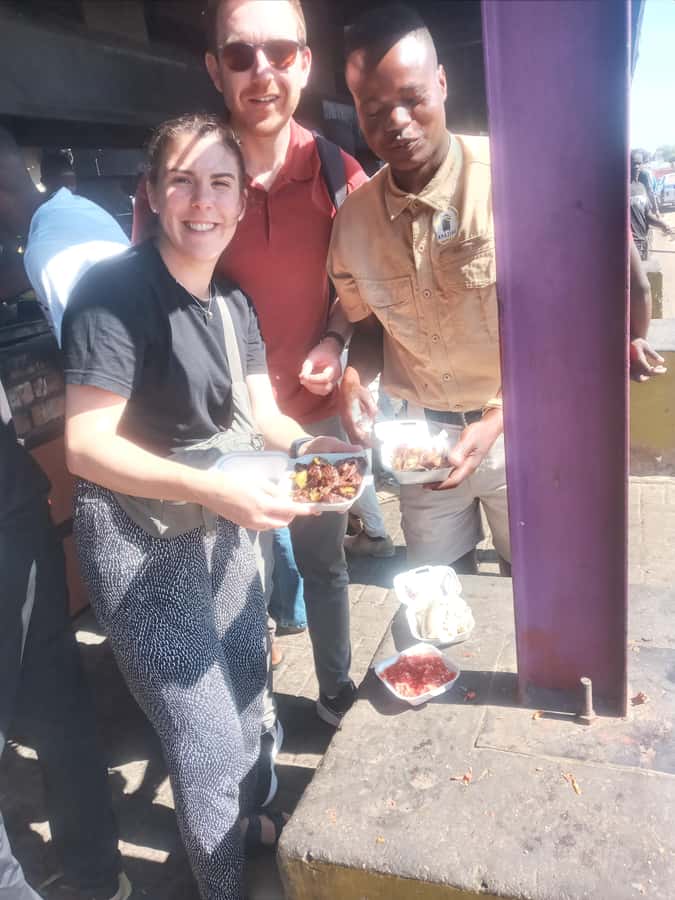
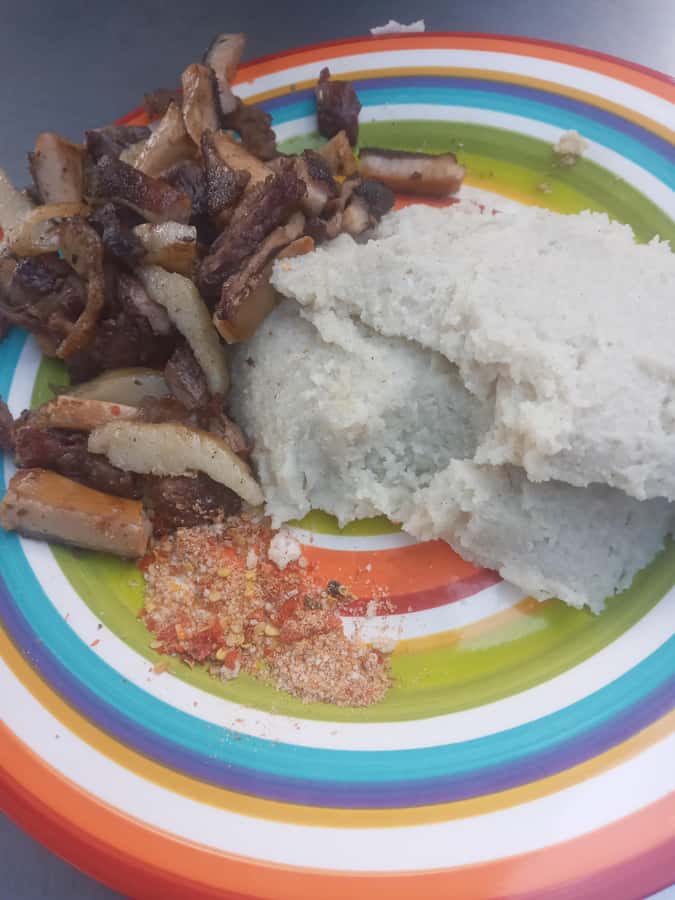
Next comes Pepata Traditional Food Restaurant. The stated plan includes a chance to discover dishes such as omahangu porridge, giving you a way to connect food with Namibian culture. Meals and drinks are not included in the price, so bring money if you want to eat or taste something.
The food stop can be one of the most useful parts of the tour for someone new to Namibia. Ask what you are being served and how it is normally eaten. That said, the restaurant was missed during one Sunday experience, so opening hours and the day of your booking matter here too.
More walking tours in Windhoek:
- Private Guided Walking Tour with the San in Windhoek
★ 5.0 · 20 reviews - Windhoek : Cheetah walk Experience
★ 4.6 · 8 reviews
China Town and the changing face of Windhoek
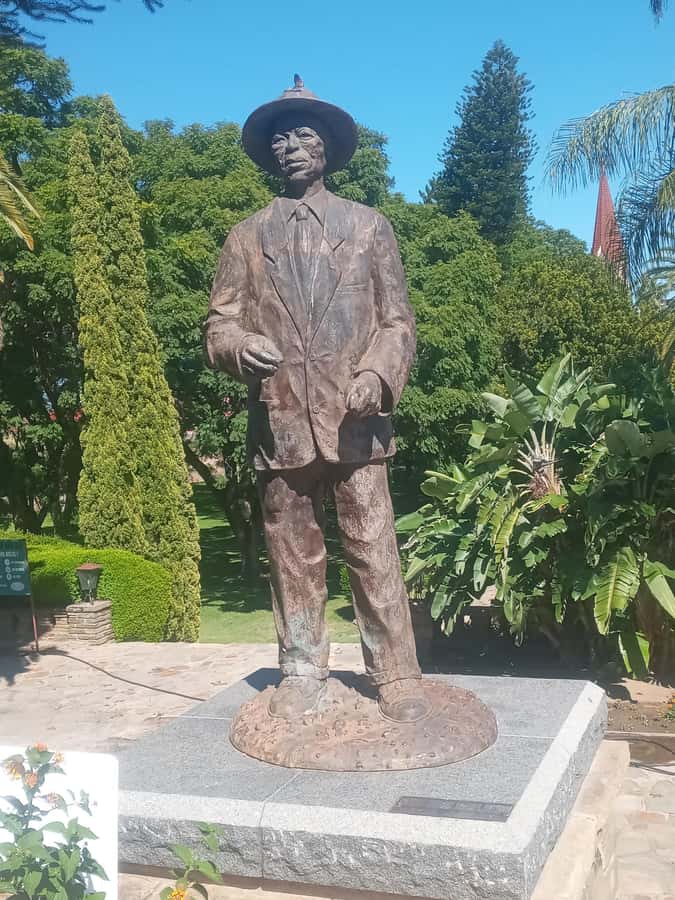
China Town is included as a stop in the wider city route. The area has a significant Chinese community and adds another layer to Windhoek’s social and commercial life.
This is not presented as a museum visit. It is better understood as a chance to see one of the communities that contributes to the capital today. The stop may be brief, especially if the tour is running behind schedule or shops are closed.
I like this part of the route because it keeps the city from being reduced to colonial buildings and official monuments. Windhoek is also a working capital shaped by migration, trade, and many cultural backgrounds. Still, you should keep your expectations practical. The experience provides an introduction, not an in-depth community history.
Katutura, Okahandja Park, and Old Location
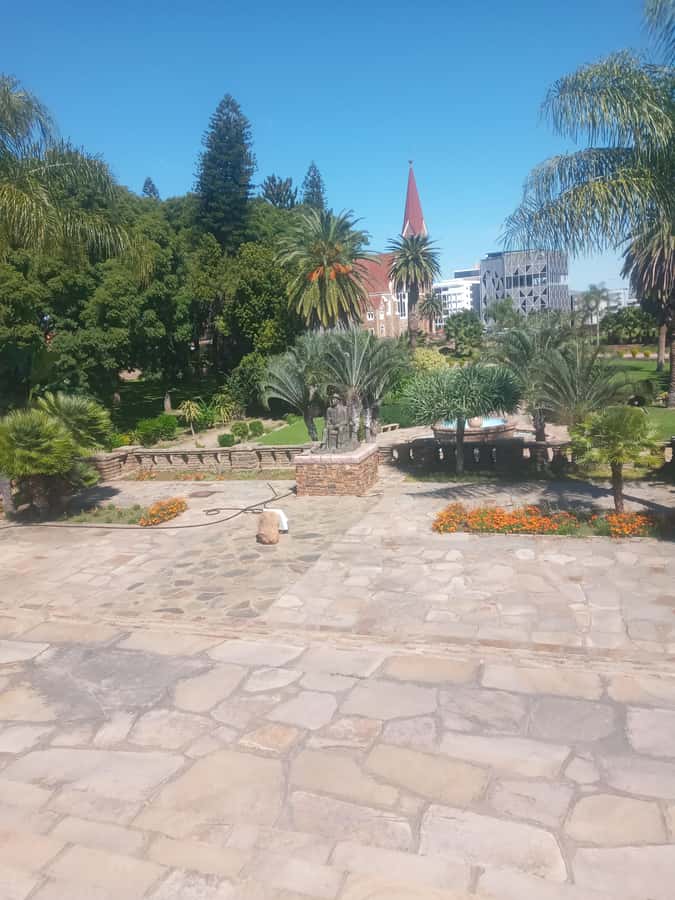
Katutura is the part of the tour that receives the strongest praise, and it is easy to understand why. The township offers a direct look at community life in Windhoek, far from the polished image presented by central landmarks.
The experience may include meeting people connected to James and, in some cases, entering a local home. One person described being taken inside the guide’s home and seeing how a village house is arranged. That kind of access can be deeply meaningful, but it also calls for sensitivity. You are entering someone’s personal space, so listen carefully, ask before taking photographs, and do not treat a home visit as a staged attraction.
Several people found the township portion moving and informative. They valued meeting friendly residents, hearing about difficult living conditions, and seeing how daily life works beyond the city center. James’s personal connections appear to shape this portion of the tour, which is why the experience can feel more personal than a standard sightseeing circuit.
There is also an important caution. One Sunday booking became largely a visit to the guide’s friends and family after the formal sights were closed. The group did not feel comfortable staying in some places and asked for a partial refund. This does not mean every township visit will feel that way, but it does mean you should ask in advance what the day’s route will include.
Okahandja Park is described as a rural settlement. The stop is intended to show another side of life around Windhoek and help you understand how residents live outside the city’s formal center. It is not presented as a conventional attraction with exhibits or polished visitor facilities.
Old Location, described as Windhoek’s first settlement, adds historical context to the township portion. Together, these stops help connect past settlement patterns with present-day communities. You may find this more revealing than another monument, but the experience is also less predictable and more dependent on the guide’s judgment and your own comfort.
The Single Quarter market and Namibia’s many communities
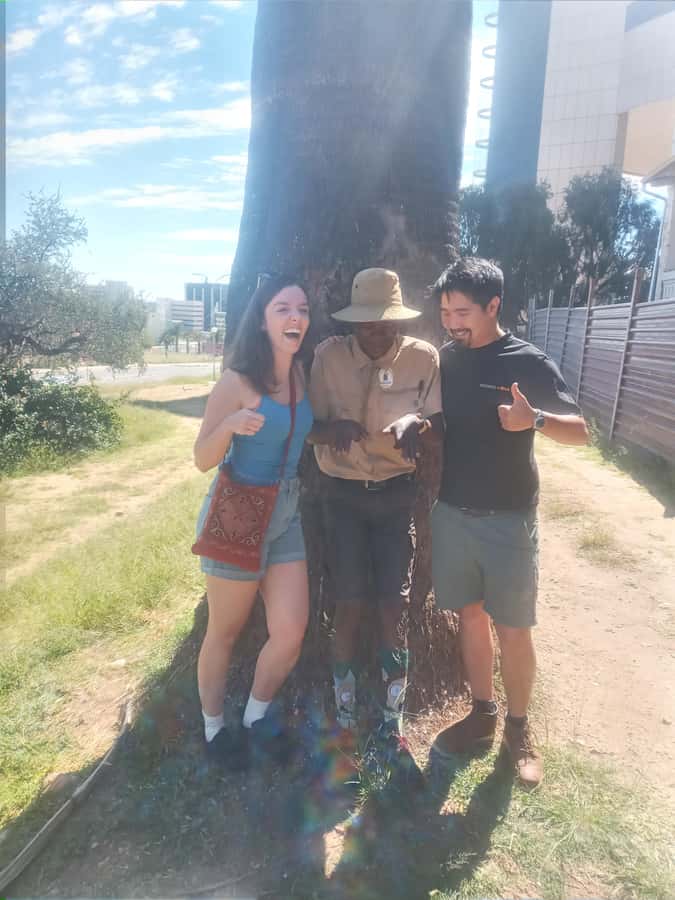
The Single Quarter Community Open Market is one of the liveliest stops on the route. People from different Namibian tribes sell traditional products, and the market gives you a chance to see cultural variety in one place.
This is a good setting to ask about foods, clothing, crafts, and the backgrounds of the sellers. The point is not simply to browse. It is to notice how trade, food, and identity meet in an ordinary public space.
You may also encounter local specialties prepared for sale. A food market visit was a highlight for one booking, particularly because it allowed a taste of freshly prepared dishes. Again, food and drinks are not included, so plan to pay directly for anything you choose.
The market can be socially intense if you are not used to busy open-air trading areas. Stay with the guide, keep your belongings secure, and ask before photographing people or products. Those are simple courtesies, especially when the attraction is real community life rather than a performance designed for tour groups.
What the $49 price really buys
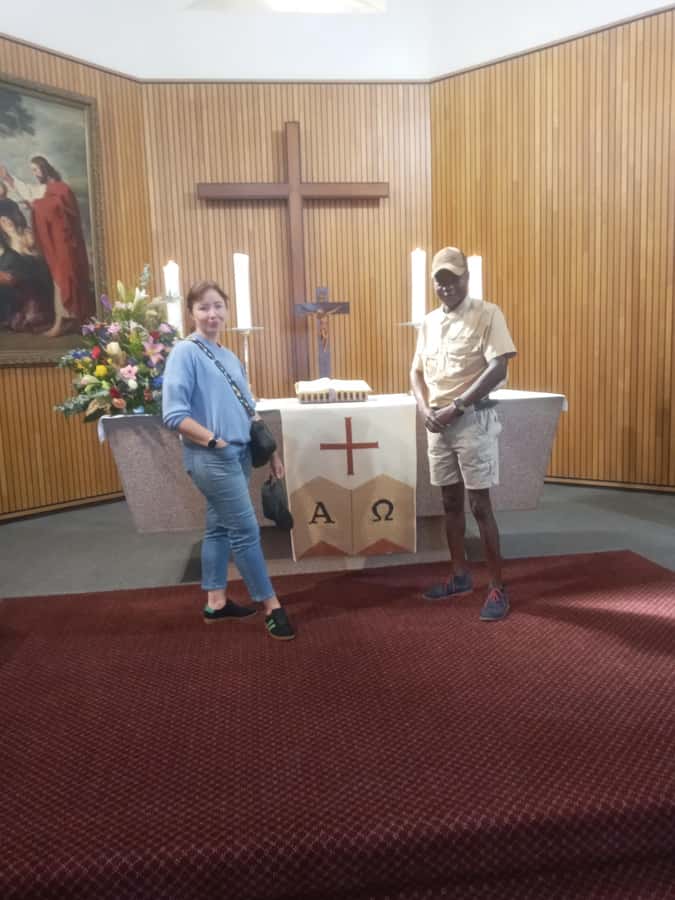
The $49 cost is reasonable if you value a private guide and want both city history and township access in one short outing. A private group means you can ask James to explain a monument, clarify a historical point, or spend more time at the market if the schedule allows.
The value is strongest for first-time visitors with limited time. You are getting pickup, a guide, transport between widely separated parts of Windhoek, and access to places that would be difficult to interpret on your own. The tour also gives you a local contact who can explain the difference between an official landmark and a living neighborhood.
The price is less convincing if you expect entrance to every listed attraction, a full museum program, or an included meal. Personal spending, food, and drinks are separate. Sunday closures can also reduce the number of indoor visits, so check the operating day before booking.
With a rating of 4.7 from 15 reviews, the overall response is strong, but the small sample and the mixed Sunday experience are worth keeping in mind. The best results seem to come when you want a personal introduction to Windhoek and are comfortable with an itinerary that can adapt.
Timing, comfort, and what to bring
The tour lasts three hours and is offered in English. Comfortable shoes are essential because walking is part of the experience, even though the route also includes pickup and driving between districts.
Wear comfortable clothes and bring a camera if you want to record architecture, crafts, or market scenes. Binoculars are listed as a suggested item, although the tour information does not explain a specific viewing stop where they are required.
Do not bring drinks or alcoholic drinks into the vehicle. The experience is not suitable for people with altitude sickness, according to the booking information.
Free cancellation is available up to 24 hours before the start for a full refund, and you can reserve now and pay later. Those policies help if your Namibia route is still changing, but they do not solve the main practical issue: confirm the starting time and Sunday opening hours before you commit.
Who will enjoy this Windhoek tour?
I would choose this experience if you want more than central Windhoek’s best-known buildings. It suits you especially well if you are interested in social history, food, local markets, and conversations with people who live in the city’s communities.
It is also a good fit for a short stay. The route covers enough ground to give you a first sense of Windhoek in half a day, and the private format makes it easier to ask questions than on a large coach outing.
You may want something else if you prefer a carefully timed museum tour, quiet sightseeing, or guaranteed entry to every listed stop. The experience depends heavily on the guide, the day of the week, and the willingness of local people to receive visitors.
Should you book it?
Book it if Katutura and personal local contact matter more to you than a perfectly predictable schedule. James appears to be a strong history guide, and the township, food, and market portions can show you a side of Windhoek you would probably miss on your own.
Before booking, avoid Sunday if you want the museums, church, parliament, crafts center, and restaurant operating as planned. If Sunday is your only option, contact the provider and ask exactly which stops will be open, how much time will be spent in Katutura, and whether the food stop is available.
For most first visits, I would consider this a worthwhile introduction at $49, provided you understand its character. It is not a polished checklist tour. It is a fast, personal encounter with Windhoek’s monuments, neighborhoods, food, and people, with all the unpredictability that real community visits can bring.
FAQ
How long does the Windhoek tour last?
The tour lasts three hours.
What language is the tour conducted in?
The live tour guide speaks English.
Is this a private tour?
Yes. The group type is listed as a private group.
Does pickup come with the tour?
Yes. Pickup in Windhoek is included, and you should wait at your designated pickup area.
Are meals and drinks included?
No. Personal expenses, meals, and drinks are not included. The tour does visit Pepata Traditional Food Restaurant, where you may find traditional dishes such as omahangu porridge.
Which major landmarks are visited?
The route includes Christuskirche, the Parliament of the Republic of Namibia, the Independence Memorial Museum, and the Genocide Memorial Monument.
Does the tour visit Katutura township?
Yes. Katutura is a central part of the experience, along with Okahandja Park, the Single Quarter Community Open Market, and Old Location.
What should I bring?
Bring comfortable shoes, comfortable clothes, and a camera. Binoculars are also listed as recommended. Drinks and alcoholic drinks are not allowed in the vehicle.
Just added around Windhoek
- From Windhoek: 3-Day Sossusvlei Shared Shuttle Tour★ 3.8 · 3 reviews
- Windhoek: Katutura Township Tour with Local Guide★ 3.5 · 3 reviews
- 3 day Sossusvlei Camping★ 5.0 · 3 reviews
- Knight Vibes: Bars, Shebeen, Clubs Crawl Windhoek★ 5.0 · 3 reviews
- 10 DAYS BEAUTY OF NAMIBIA | Guided Lodge★ 5.0 · 3 reviews
- Windhoek: City & Township tour. Vehicle, guide, kapana★ 4.2 · 4 reviews
- Predator Encounter: Half-Day Carnivore Feeding Windhoek★ 4.0 · 5 reviews
- Airport Transfers★ 5.0 · 5 reviews
Windhoek City Tours, compared.

Half-Day Windhoek City and Township Cultural Tour
Read our review →
6-Day Dunes and Wildlife Accommodated Safari from Windhoek
Read our review →10-Day Namibia Highlights Guided Tour from Windhoek
Read our review →
Private Transfers between Windhoek and Hosea Kutako Int. Airport
Read our review →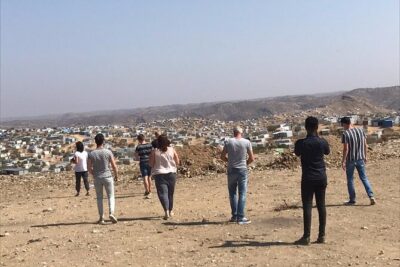
4-Day Swakopmund And Sossusvlei Accommodated Adventure from Windhoek
Read our review →
Browse the lists this tour appears in