
Reviewed · WINDHOEK
Windhoek: Bushman Walk with the San
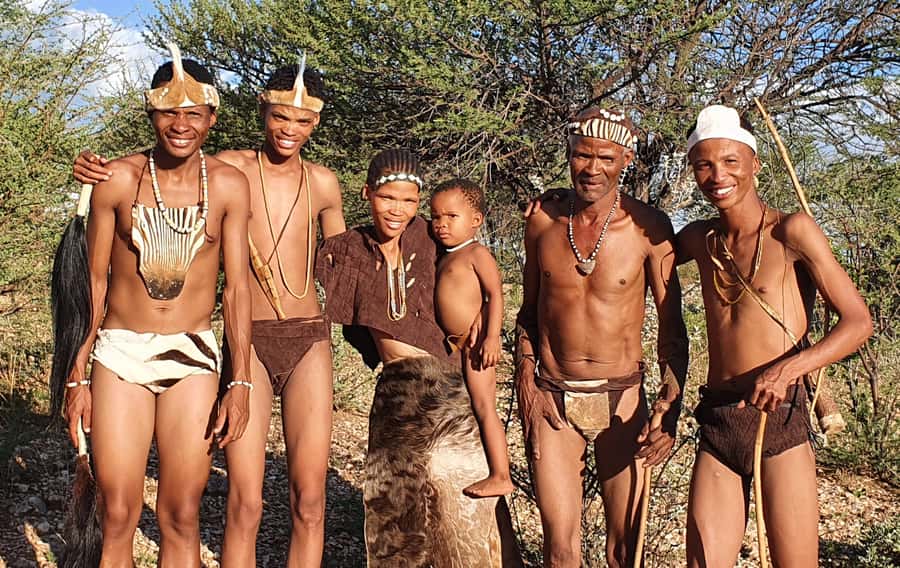
The most interesting part of this Windhoek outing is the chance to hear the San language spoken first, then have it translated as the group explains how people once found food, made tools, treated illness, and survived in the bush. You are not heading to a remote village. This is an organized cultural walk near Namibia’s capital, but it gives you access to traditions you would otherwise struggle to encounter in Windhoek.
I like the way the San explain their skills through live demonstrations, rather than a museum display. I also like the direct support for the San families involved, with the activity helping preserve skills that younger generations may otherwise lose. The main consideration is that the walk is a presentation of traditional life on a farm, not a full-time San settlement or a reconstruction of nomadic life in a distant part of Namibia.
Key points to know
- Hear the click language in context: The San speak their own language before the guide translates, giving you a more direct connection to the people explaining their culture.
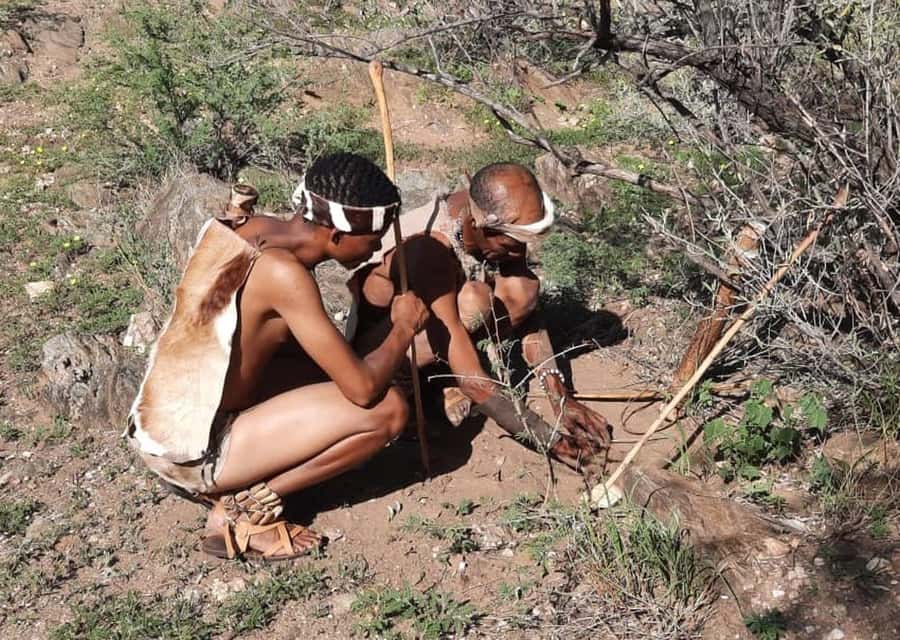
- Learn practical bush skills: Fire making, animal traps, bow and arrow use, useful plants, and simple craftwork form the heart of the walk.
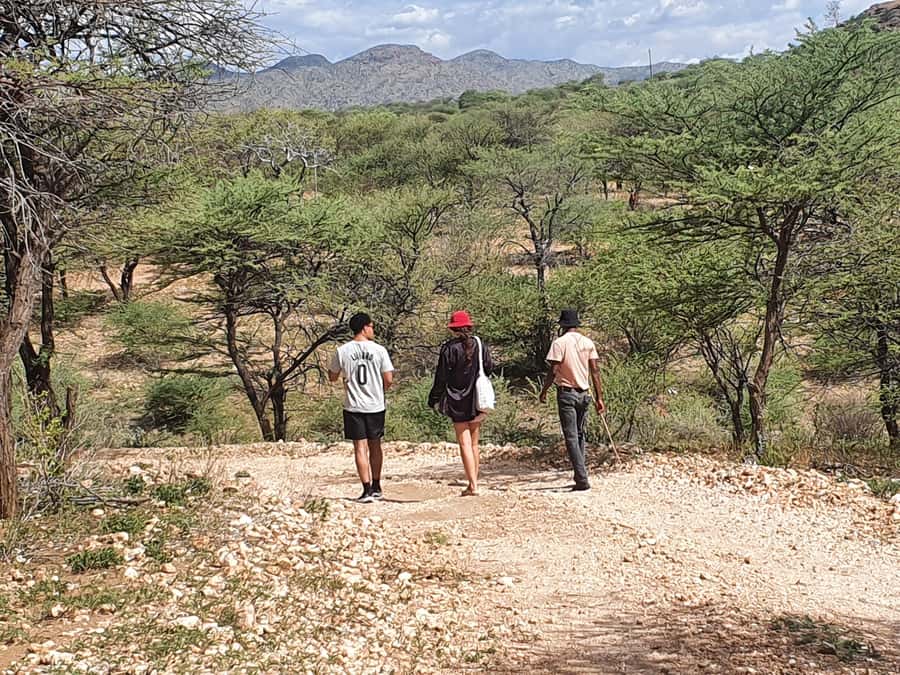
- Expect a gentle two-hour walk: The route is not described as difficult, but you need closed-toe shoes and protection from the sun.
- Meet the San close to Windhoek: This is a good choice if you have only a spare half-day and cannot travel deep into Namibia.
- Support a social purpose: Income from the activity helps the San sustain themselves and pass nearly forgotten skills to younger family members.
- Plan transport carefully: Hotel pickup is optional, and finding a taxi to the farm can be difficult without your own vehicle.
Why this short walk matters in Windhoek
Windhoek is the practical starting point for many Namibian trips, but it does not automatically give you contact with San culture. The San communities traditionally associated with hunting and gathering live in remote parts of the country, so a two-hour walk near the capital offers a useful alternative for anyone with limited time.
The experience is connected with the Bushmen’s Survival Trust, which works with San people and supports the presentation of their traditional skills. The stated aim is not only to show visitors how the San lived, but also to keep cultural knowledge active and create income for people facing difficult economic conditions.
That purpose adds weight to the visit, but I would keep your expectations clear. You are seeing a planned demonstration in a farm setting. One of the most useful comments about the experience is that you should not expect a normal San village while staying in the capital. You are receiving a close, educational introduction rather than entering an untouched world.
That distinction does not make the walk worthless. In fact, it helps you approach it honestly. Pay attention to the people speaking, ask respectful questions, and treat the demonstrations as living knowledge rather than a stage show.
More Windhoek city tours:
- Windhoek: City and Township Tour
★ 4.8 · 430 reviews - Half-Day Windhoek City and Township Cultural Tour
★ 4.5 · 187 reviews - 6-Day Dunes and Wildlife Accommodated Safari from Windhoek
★ 5.0 · 123 reviews
Arriving at the farm near Windhoek
You can arrange pickup and drop-off from Windhoek if you select that option. You are asked to wait in your hotel lobby, and the operator may request your WhatsApp number so the exact pickup time and driver details can be confirmed.
If you drive yourself, parking is available near the pool area. The guide will meet you there. Take directions seriously, since the turnoff can be confusing and there may not be a clear sign at the correct entrance. This is one of the few practical weak points in an otherwise well-organized visit.
If you do not have a car, I would choose the transfer option. Finding a taxi for the return journey can be troublesome, and a low tour price loses some of its value if you spend time worrying about how to get back to Windhoek.
Before the walk, you receive a short introduction to the nonprofit work connected with the farm. You may also see the small art gallery, which displays handmade San jewelry. Cold drinks are available for N$20, but they are not included, so bring water of your own.
Hearing the San click language
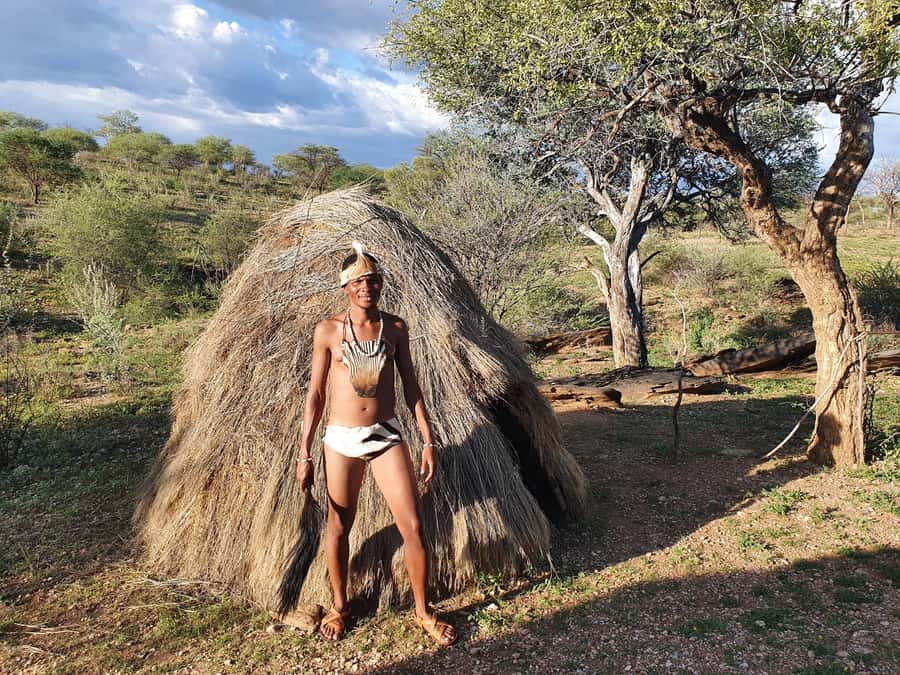
The language introduction is one of the most memorable parts of the activity. San languages are known for their click sounds, and the visit gives you a chance to hear those sounds used naturally by the San guides.
The format makes the language more than a quick novelty. The San first explain something in their own language, then the interpreter gives you the meaning. This lets you notice tone, rhythm, and expression before the words are translated.
Frans has been praised for guiding and translating in English, Afrikaans, and his native San language. Having a guide who can communicate directly with the San helps the group ask questions and follow the explanations without reducing every exchange to a simple performance.
You should not worry about learning a whole language in two hours. The value is in recognizing that translation is not just a technical step. It also shows you how much meaning can pass through gesture, humor, and shared attention, even when you do not speak the same words.
Walking through the bush with practical lessons
The bush walk lasts about two hours and is described as an easy, well-paced outing. You move through the property while the San explain how people used the plants and materials around them.
The walk focuses on ancient plant knowledge. You learn which bush plants had practical uses and how the natural environment supplied medicine, food, or useful materials. The exact plants shown can depend on what is available at the time, so the key value is the method of observation: knowing what to look for and how to use it carefully.
This is where the experience becomes more than a general cultural talk. The San are not only describing a past way of life. They are showing how close attention to the bush can turn ordinary-looking plants, branches, and shells into tools for daily survival.
The route itself is not a strenuous hike. Still, Namibia’s sun can be intense, and one visitor found the heat uncomfortable. Wear a hat, carry water, and consider an umbrella for shade if you are sensitive to strong sun. Closed-toe shoes are required, and they are sensible for walking over uneven ground and around natural materials.
More walking tours in Windhoek:
- Private Guided Walking Tour with the San in Windhoek
★ 5.0 · 20 reviews - Windhoek: Katutura Township and City Walking Tour
★ 4.7 · 15 reviews - Windhoek : Cheetah walk Experience
★ 4.6 · 8 reviews
Fire making, traps, and hunting tools
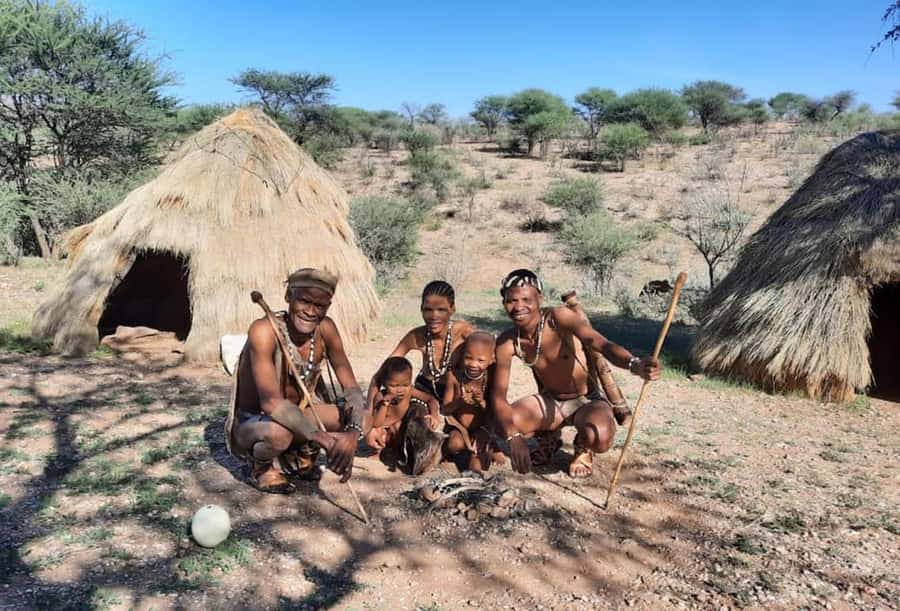
Fire making is one of the central demonstrations. You get to see how fire can be started without modern equipment, using skill, patience, and materials found in the bush. This is a small lesson with a big message: survival depends on repeated practice, not on one lucky trick.
The San also explain hunting methods and traps. Demonstrations can include bows, arrows, and snares used to catch animals. Some explanations cover the use of poison on arrows, an important part of traditional hunting that gives you a clearer picture of how people obtained food without firearms or stores.
The activity does not turn hunting into entertainment. It gives you a practical look at the decisions involved: tracking, conserving energy, using local materials, and understanding animal behavior. If you are uncomfortable with hunting demonstrations, this is worth considering before booking.
The walk also covers how tools were made. You might see the construction of small hunting equipment or other simple objects, with the San explaining how a material’s shape and strength determine its use. These demonstrations are especially helpful for families, since children can see a skill being performed rather than simply hearing an explanation.
Ostrich eggshell crafts and social traditions
Craftwork adds a quieter, more personal part to the outing. The San demonstrate work with ostrich eggshells, including jewelry and small items. The process shows how a large natural resource could be turned into something useful or decorative with limited tools.
The small gallery near the pool area sells self-made San jewelry. Buying something is optional, and the gallery is not included in the tour price, but it gives you a chance to support the people involved directly. I would see it as an opportunity to purchase a meaningful keepsake rather than an expected part of the visit.
The guides also share stories about San social life. One unusual detail concerns a small bow used in courtship and marriage traditions. It is the sort of cultural detail that stays with you because it connects a practical object with emotion, family, and community life.
At the end, there may be dancing with the San. This brings a lighter finish to a serious subject and gives the group a chance to interact without relying entirely on translation. You should join in only if you are comfortable, but families and children are likely to enjoy this part.
Meeting the people behind the demonstrations
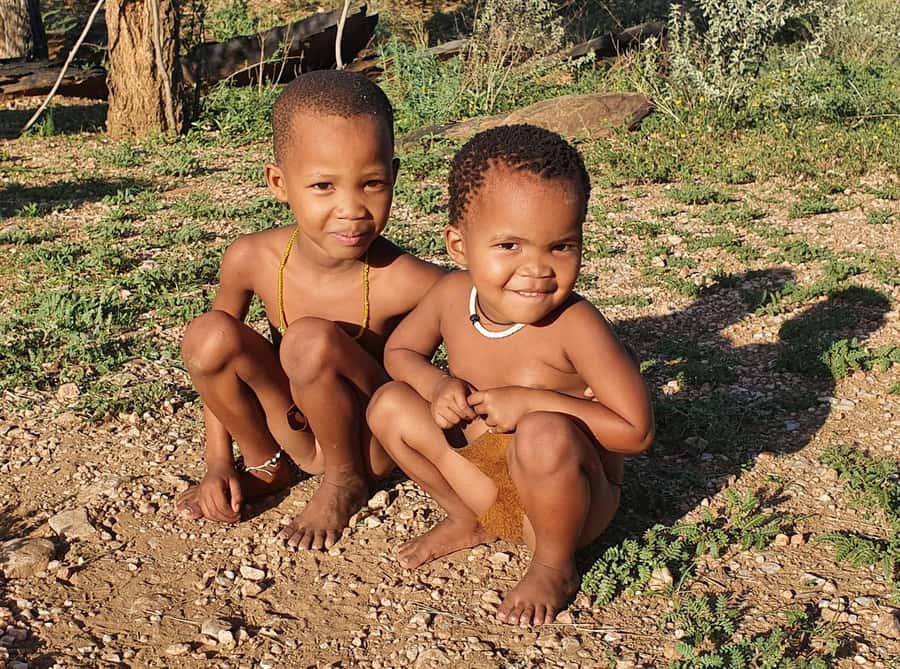
The San involved in the walk are presented as hosts, teachers, and cultural representatives, not as background scenery. You can ask about their history, their families, and how modern Western life affects their communities.
That last subject is important. The activity openly addresses the challenges faced by the San and the gradual loss of traditional ways of living. You are not being shown a frozen version of culture. You are meeting people who live in the modern world while trying to retain skills and identity connected with an older way of life.
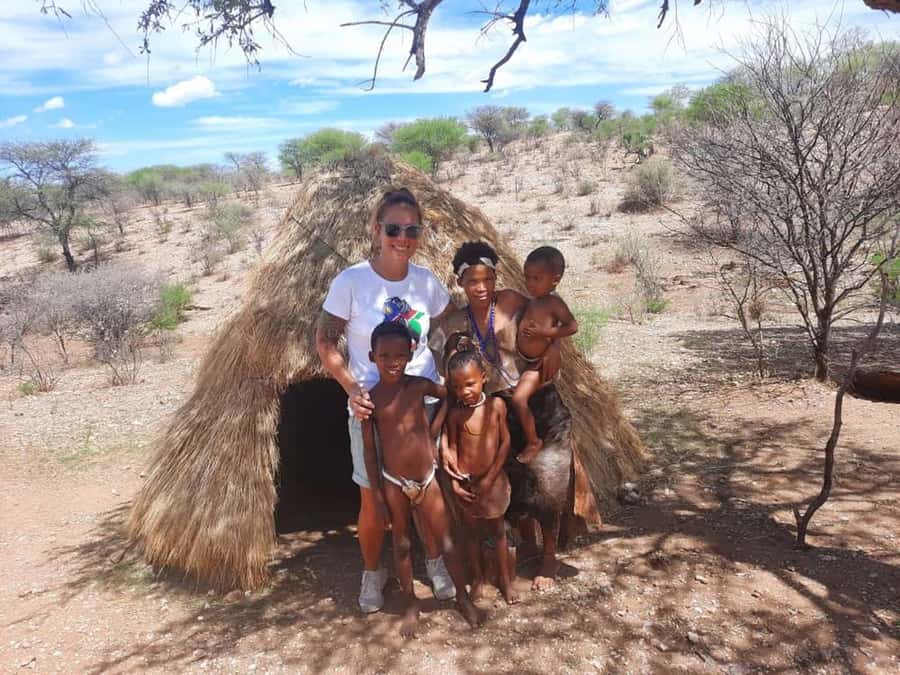
The setting may also include family members. Children have enjoyed the interaction, and the experience can work well for families because the lessons are physical and visual. A five-year-old enjoyed meeting the San, while older children and teenagers have also found the walk interesting.
I would still prepare young children for the format. This is not a theme park attraction with constant entertainment. There is listening, translation, walking, and discussion. Children who enjoy animals, tools, fire, and hands-on demonstrations should get the most from it.
The nonprofit purpose and the question of authenticity
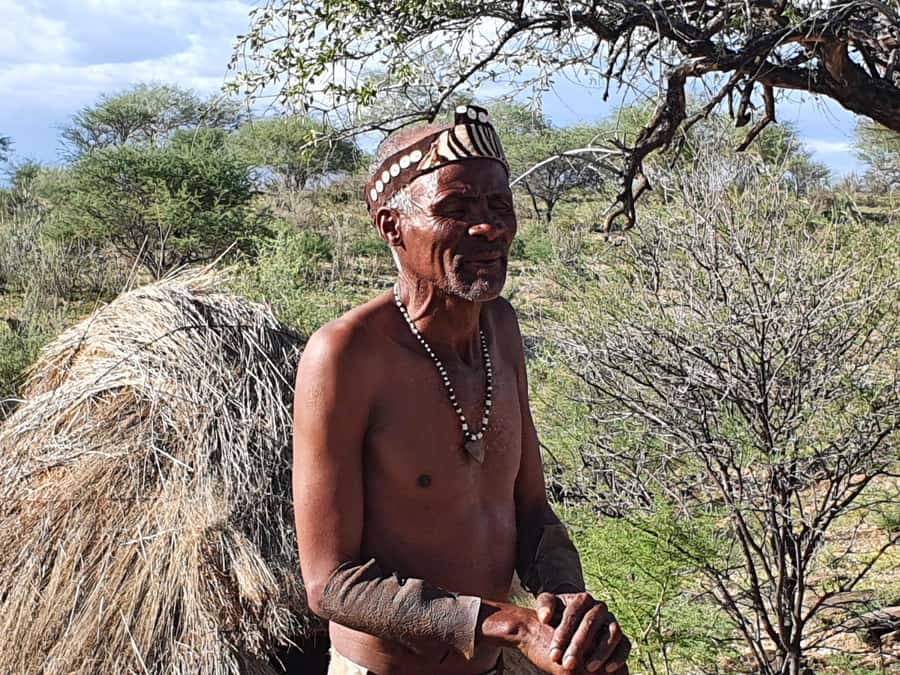
The most responsible way to view this experience is as a cultural education project with a financial purpose. The activity helps create income for impoverished San families and keeps traditional skills in use. It also gives younger San people a chance to learn practices that might otherwise disappear.
A visit like this can never reproduce the full reality of a hunting and gathering life. You are on a managed property, arriving as a visitor and following a planned route. The San are demonstrating selected parts of their knowledge for you.
That does not automatically make the experience artificial. Cultural education often needs a safe place, a schedule, an interpreter, and a way to earn money. The important question is how the visit treats the people involved. Here, the stated goal is to support the San and help preserve their skills, and the activity includes discussion of contemporary challenges rather than pretending modern life has not changed anything.
You can help make the exchange more respectful by asking questions about present-day life, not only about the past. Listen when the San speak in their own language. Avoid treating the click sounds, dancing, or hunting tools as curiosities detached from real people and families.
Is $43 good value for two to three hours?
At $43 per person, the walk is not the cheapest short activity in Windhoek. Its value depends on what you want from your time in the capital.
You receive an introduction to the nonprofit work, about two hours with San guides, a bush walk, demonstrations of plants and survival skills, language interpretation, and an information sheet. Optional hotel transport adds convenience, especially if you do not have a car.
I consider the price fair if you want direct cultural contact and have only half a day available. You are also helping fund an activity designed to support the San, which gives the fee a purpose beyond admission to a tourist attraction.
The value is less convincing if you expect a long wilderness excursion or a complete picture of San society. The walk can finish closer to two hours, even though the total activity is advertised as two to three hours. One person who arranged a private pickup had to wait afterward, and another felt the price could be lower.
I would plan for roughly three hours door to door if using pickup, but allow extra time if you arrange your own ride. The tour fits neatly into an afternoon and can pair well with other Windhoek sightseeing.
Who should book this San walk?
I would recommend it to you if you want to understand Namibia through its people, not only through wildlife and scenery. It suits solo visitors, couples, families, and anyone with a spare half-day in Windhoek.
It is especially useful for:
- Families with children who enjoy hands-on cultural activities
- Visitors without time for a remote San community visit
- People interested in indigenous languages and oral traditions
- Anyone who wants a gentle walk rather than a demanding hike
- Visitors who prefer activities with a stated community-support purpose
I would hesitate if you want a completely private experience, a long wilderness walk, or an unscripted visit to a village. The group can be small, but the activity remains organized and interpretive.
The walk is not suitable for wheelchair users. Bring closed shoes, a hat, water, and sun protection. Confirm your pickup details in advance, and choose the transfer option if you are unsure how to reach the farm.
Should you book the Windhoek Bushman Walk?
Yes, I would book it if you have two to three hours in Windhoek and want a thoughtful introduction to San culture. The strongest parts are the live use of the click language, the practical demonstrations, and the chance to ask about the pressure modern life places on San traditions.
Go in with realistic expectations. This is not a remote village visit or a full recreation of life as a hunter and gatherer. It is a nearby cultural walk built around teaching, income, and preservation.
For $43, it offers a worthwhile afternoon, particularly if you use the included time well by asking questions and paying attention to the people behind the skills. Add the optional transfer if transport is uncertain, carry water, and leave room for the small jewelry gallery and a cold drink afterward.
FAQ
How long does the Bushman Walk with the San last?
The guided bush walk lasts about two hours, while the full activity takes roughly two to three hours depending on the selected option and transport arrangements.
What language is the tour conducted in?
The live tour is conducted in English. A guide such as Frans can translate the San language and may also speak Afrikaans and English.
What will I learn during the walk?
You can learn about San click language, useful bush plants, traditional hunting and traps, fire making, ostrich-eggshell crafts, and contemporary challenges faced by the San.
Is hotel pickup available in Windhoek?
Hotel pickup and drop-off are available if you select that option. You should wait in your hotel lobby and provide a WhatsApp number for updated pickup information.
What should I bring?
Bring closed-toe shoes. A hat, drinking water, and sun protection are also sensible because the bush walk can be hot and exposed.
Can I cancel the booking or pay later?
You can cancel up to 24 hours in advance for a full refund. Reserve now and pay later is available, allowing you to hold a place without paying immediately.
Just added around Windhoek
- From Windhoek: 3-Day Sossusvlei Shared Shuttle Tour★ 3.8 · 3 reviews
- Windhoek: Katutura Township Tour with Local Guide★ 3.5 · 3 reviews
- 3 day Sossusvlei Camping★ 5.0 · 3 reviews
- Knight Vibes: Bars, Shebeen, Clubs Crawl Windhoek★ 5.0 · 3 reviews
- 10 DAYS BEAUTY OF NAMIBIA | Guided Lodge★ 5.0 · 3 reviews
- Windhoek: City & Township tour. Vehicle, guide, kapana★ 4.2 · 4 reviews
- Predator Encounter: Half-Day Carnivore Feeding Windhoek★ 4.0 · 5 reviews
- Airport Transfers★ 5.0 · 5 reviews
Windhoek City Tours, compared.

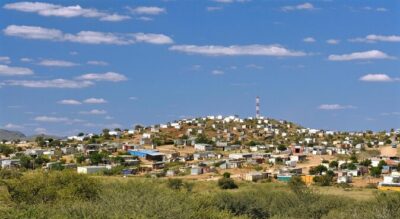
Half-Day Windhoek City and Township Cultural Tour
Read our review →
6-Day Dunes and Wildlife Accommodated Safari from Windhoek
Read our review →10-Day Namibia Highlights Guided Tour from Windhoek
Read our review →
Private Transfers between Windhoek and Hosea Kutako Int. Airport
Read our review →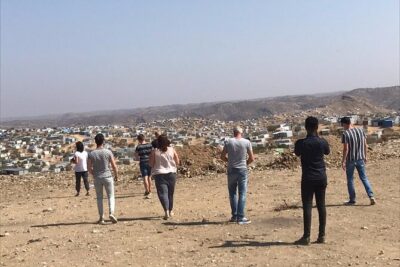
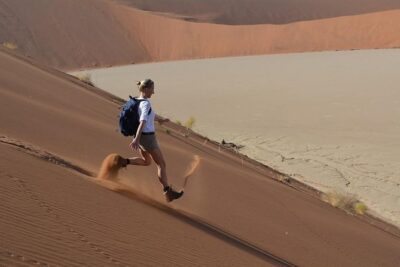
4-Day Swakopmund And Sossusvlei Accommodated Adventure from Windhoek
Read our review →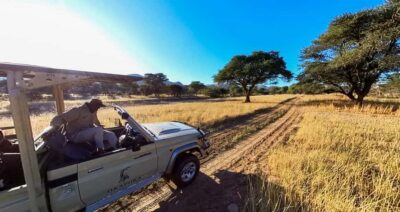
Browse the lists this tour appears in