
Reviewed · CAPE CROSS
Skeleton Coast Cape Cross Seal colony Tour
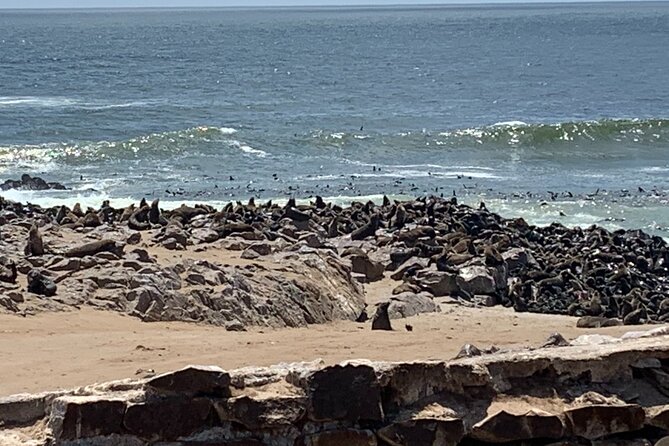
Cape Cross is the main event: thousands of Cape fur seals crowd the shore, barking, splashing, and filling the air with a smell you will not forget. The drive also gives you a useful look at the desert coast, from fog-fed lichens to the rusting Zeila shipwreck.
I like two things here. First, you get more than a seal photo stop, with coastal history and desert plant life woven into the outing. Second, the small-group format, capped at 20 people, gives you a better chance to ask questions, especially with guides such as Hannes, Winton, or Norman. The main drawback is that some stops can feel brief or lightly explained, and the published route has shown inconsistent details.
Key things to know before you book
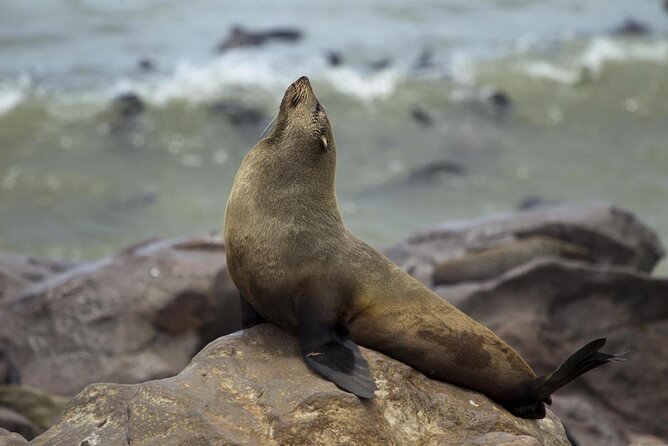
- Cape Cross is the clear highlight: A walkway brings you close to a vast colony of Cape fur seals, often described as numbering around 70,000.
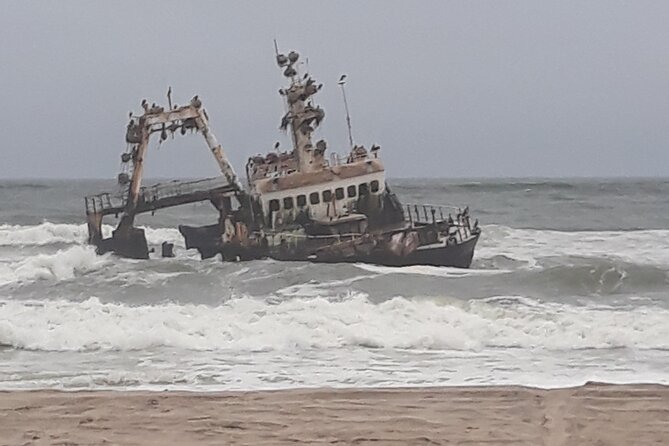
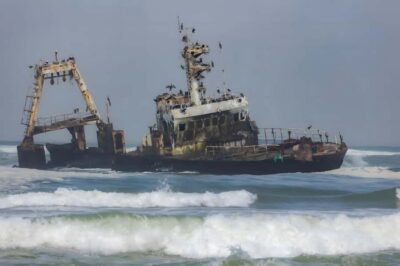
- The Zeila adds a haunting coastal stop: The wreck sits in the sea between Swakopmund and Henties Bay, offering a strong photo and a reminder of the Skeleton Coast’s dangers.
- Desert lichens make the desert feel alive: You stop at a lichen field and learn how tiny organisms survive in one of Namibia’s driest regions.
- A light meal is included: The route includes a brunch or light lunch platter collected at a local restaurant in Henties Bay.
- The tour begins early: Pickup is offered, with a listed start time of 7:30 am and a duration of about four hours.
- The smell at Cape Cross is powerful: The seals are fascinating, but the colony is loud and intensely pungent. Bring patience, and protect your camera from the coastal elements.
Why Cape Cross is worth the long coastal run
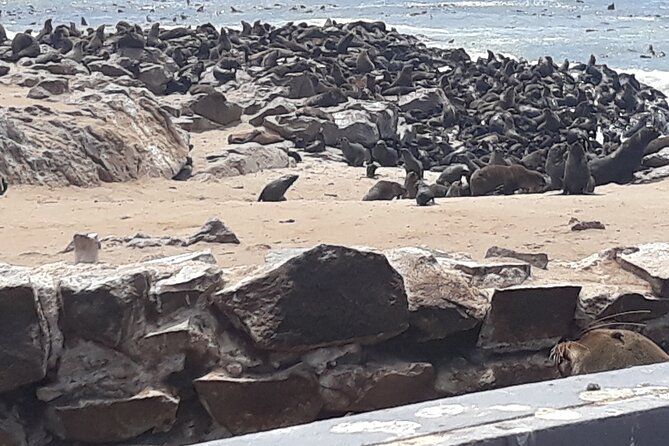
The Cape Cross seal colony is not a polished wildlife park. It is raw, crowded, noisy, and very much ruled by the animals. Seals lie over the rocks and sand in thick groups, while others slide through the water or bark at one another. You reach the viewing area by a walkway, which lets you get close without wandering into the colony.
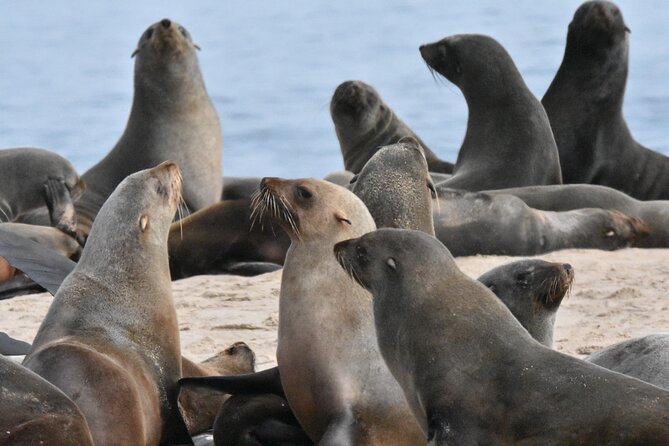
That closeness is what makes the stop memorable. You can study the different moods of the animals, from sleepy heaps to alert adults and restless young seals. The sheer number is hard to grasp until you see the shore covered with moving bodies.
The smell is part of the experience, not a minor footnote. Cape Cross has thousands of seals packed into one place, and the odor can be overwhelming. One guide joked about it with a visitor who disliked the smell, but there is no clever way around the fact. If you are sensitive to strong odors, keep your visit focused and use the time for photographs.
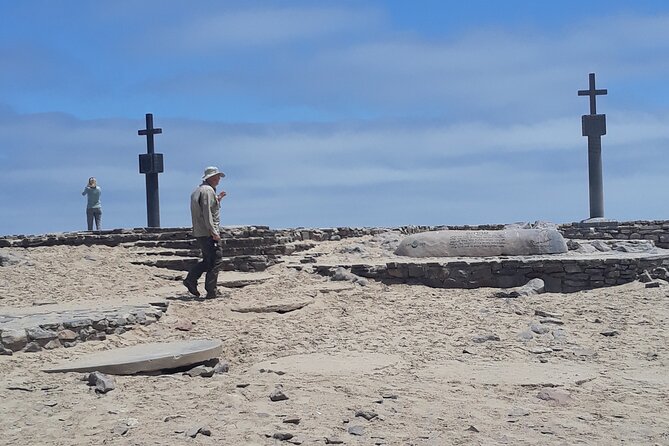
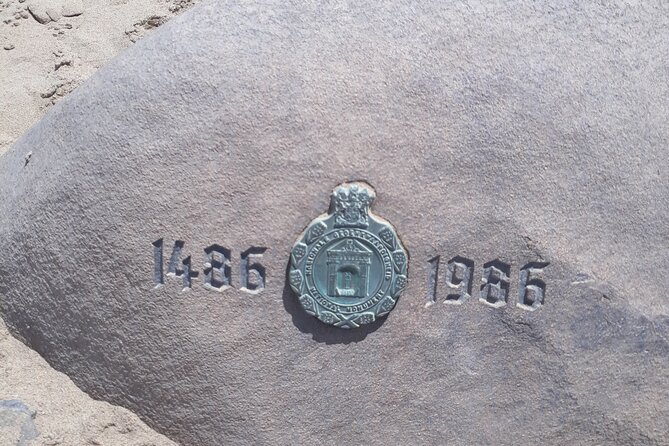
The historic marker here also matters. In 1493, Portuguese explorer Diego Cão erected a marble cross at Cape Cross. The site connects the wildlife stop to the age of early European exploration, though the animal colony is likely to hold your attention more than the monument.
More Cape Cross seal colony trips:
- Sandwich Harbour Adventure: Seals and Sandwich harbour dune drive
★ 5.0 · 165 reviews - Cape Cross and Henties Bay Guided Tour SkeletonCoast Namibia
★ 5.0 · 4 reviews - Pelican Point Peninsula Tour- visit the seal colony
★ 5.0 · 10 reviews
The Zeila shipwreck and the coast’s uneasy beauty
The Zeila is usually the first major stop on the route north from Swakopmund. You have about 30 minutes for the stop, with no separate admission charge listed. The wreck lies in the sea between Swakopmund and Henties Bay, close enough to shore to make a striking picture against the pale desert and gray Atlantic.
The Zeila gives the Skeleton Coast its name in a very direct way. The ship’s remains show how quickly the ocean can claim a vessel here. This is a coast of fog, shifting sand, rough water, and limited shelter, so a wreck is not just scenery. It is evidence of the conditions that have made this shoreline so feared.
Do not expect a long wreck-hunting expedition on this half-day outing. The tour focuses on Cape Cross, and the additional shipwrecks farther north require a separate full-day trip. If your main goal is to see several wrecks, choose that longer option instead.
The drive between stops is part of the experience. You pass vacation houses along the shore between Swakopmund and Henties Bay. These buildings give you a glimpse of how people use this severe coastal strip, even though the surrounding desert can look almost empty.
Desert lichens that survive on fog
One of the more unusual stops is a lichen field. At first glance, the lichens may look like scattered bits of color on bare ground. Your guide explains how these tiny organisms manage to live in such an arid place.
The key point is that coastal fog helps sustain life here. Rain is scarce, but moisture carried inland from the Atlantic can reach the lichens. That makes the stop valuable because it changes how you read the desert. The Namib is not simply lifeless sand. Some of its smallest residents have found ways to use the little moisture available.
This is also where a good guide makes a real difference. Hannes has been praised for adjusting the pace around visitor interests, while Winton has received strong marks for explaining facts clearly and telling the area’s stories in an understandable way. Norman is also noted for presenting the coast’s history in an engaging fashion.
The lichen stop is not a dramatic attraction. It is small and easy to overlook. Give it time, listen to the explanation, and you will come away with a better understanding of the desert than you would from photographs alone.
The Gallows monument and the coast’s harder stories
The Gallows monument provides another brief historical pause. The structure was erected in 1978 as an appeal to keep the beach clean, and the stop lasts about 15 minutes. The monument has since been changed, so your guide’s explanation helps place it in context.
This is not a grand monument with a long visit attached to it. Its value comes from the questions it raises about how people have treated this remote coast. The Skeleton Coast is often presented through shipwrecks and adventure, but the region also has stories about settlement, survival, environmental care, and the harsh choices made in isolated places.
Some visitors may find this stop too shallow if they want a detailed historical tour. One direct assessment of the experience found the secondary checkpoints less satisfying than Cape Cross. That is a fair caution. The tour covers several subjects in a short time, so each stop receives only a compact explanation.
A few more Swakopmund trips worth a look
- Walvis Bay: Marine Big 5 Luxury Catamaran Tour
★ 4.8 · 1,012 reviews - Swakopmund: Desert Dunes Quad Biking with Optional Sandboard
★ 4.9 · 590 reviews - Walvis Bay and Sandwich Harbour Tour
★ 4.8 · 483 reviews - Scenic Sandwich Harbour Tour
★ 5.0 · 277 reviews
Henties Bay, lunch, and the practical middle of the day
Henties Bay is used as a service stop on the route. A light lunch platter or brunch is collected at a local restaurant, and there is also a short stop to refuel the vehicle before the return to your accommodation.
The included food adds value, especially because the tour begins early. The supplied information describes it both as a tasty brunch and as a light lunch platter, so you should tell the operator about allergies or special dietary needs when booking. Do not treat it as a large sit-down meal. It is better understood as a convenient included bite during a long coastal drive.
The refueling stop is practical rather than scenic. It helps the vehicle make the return journey safely, but it also uses part of a short tour. If you want every minute devoted to sightseeing, this may feel like dead time. If you appreciate a sensible travel break, it is reassuring.
The route also passes the Orania desalination plant. You learn who built it and why it was needed, then pass Wlotska’s Baken, a local holiday resort, with an explanation of how it came into being. These details help show how people create usable spaces and water supplies along a coast where natural resources are limited.
How the short schedule shapes the experience
The listed duration is about four hours, with a 7:30 am start. That makes this a manageable introduction to the northern coast from Swakopmund, but it also means the schedule is tight. The route includes the Zeila, the Gallows monument, the lichen field, Henties Bay, the desalination plant, Wlotska’s Baken, and Cape Cross.
Cape Cross receives about an hour, which is the right priority. You have enough time to walk along the viewing area and take photographs without turning the visit into a rushed dash. The other stops are shorter, so approach them as useful context rather than full tours.
The route description repeats the Cape Cross section, so you should confirm the exact order and current stops before departure. One past booking mismatch led to serious frustration because the afternoon portion did not match the advertised details. The operator apologized and said the information needed updating. That makes a quick confirmation worthwhile, particularly if a specific stop is central to your plans.
The tour can carry up to 20 people. That is still a small group compared with a large coach, but it is not an intimate private outing. The minimum to operate is two participants. Pickup is offered, and a mobile ticket makes arrival simple, but the exact pickup arrangements should be confirmed with your booking.
What the guides add to the drive
This experience depends heavily on the guide. The coast can look stark and repetitive if nobody explains what you are seeing. A good guide turns a long road into a series of connected stories about water, ships, plants, settlements, and wildlife.
Hannes is noted for adapting the schedule and experience around visitor interests. Winton is praised for broad subject knowledge and clear delivery. Norman is also singled out for making facts interesting and easy to follow. These names are useful when you book, though guide assignments cannot be assumed.
German-language guides are limited and allocated on a first-come, first-served basis. A German guide is not guaranteed. If language support is important to you, ask before booking rather than relying on availability on the day.
The tour’s strongest praise centers on guide quality and the Cape Cross stop. That pairing matters. You get the most from the seals when someone explains their behavior and the place’s history, rather than simply pointing you toward the walkway.
Is $140.38 a fair price?
At $140.38 per person, this is not a bargain transport run, but the value depends on how you use it. The price includes a guide, transport from Swakopmund, the coastal route, the Cape Cross visit, and a light meal. You also avoid arranging a vehicle for a remote drive and navigating the stops yourself.
For a first visit to Namibia, that package makes sense. You see a famous wildlife site, a shipwreck, unusual desert plant life, local infrastructure, and several historical markers in one morning. The guide’s explanations are important because much of the area’s appeal is not obvious from the roadside.
The value is weaker if you want a detailed Skeleton Coast expedition. This is a half-day outing, not a full exploration of the far northern coast. You will not see the additional shipwrecks that require roughly another 200 kilometers of travel and a full-day schedule.
I would book it for a focused Cape Cross visit with useful extras. I would not book it expecting a full historical or shipwreck tour.
Who should book this Cape Cross outing?
This tour suits you if you want to see the seals without renting a car, prefer a guided route, or have limited time in Swakopmund. It also works well for photographers who want a close view of a large colony and a dramatic wreck stop.
It is a good fit for people interested in natural history. The lichen field, desalination plant, holiday resort, and seal colony show different ways life and human activity adapt to the coast.
You may want another option if you dislike strong smells, need a slow and detailed tour at every stop, or want several shipwrecks. Families and most able participants can take part, but the operator states that most people can participate rather than promising full accessibility for every need.
Cruise liner passengers should be cautious. The operator does not recommend this tour for cruise guests because the distance to and from the ship can be too great. A schedule built around a ship’s departure should not depend on this far-reaching drive.
Booking, weather, and cancellation details
The tour is seldom canceled for rain because rain is rare in this region. Sandstorms can still affect conditions, and the operator may postpone or cancel if needed. In that case, you are offered another time, another experience, or a full refund.
You can cancel for a full refund up to 24 hours before the 7:30 am start time. Cancellations or changes made inside that 24-hour window are not refunded or accepted. The minimum group size is two, and if that number is not reached, the operator offers another date, another experience, or a full refund.
Bring sun protection and a camera suited to bright, windy conditions. The tour information does not promise a specific vehicle type, so ask about pickup and transport details if those matter to you.
Should you book the Skeleton Coast Cape Cross Seal Colony Tour?
Book it if Cape Cross is your priority and you want a compact, guided introduction to the coast. The seals, Zeila wreck, lichen field, and coastal stories give you a strong mix of wildlife, desert life, and history. The included food and pickup make the price easier to justify.
Skip it in favor of a full-day Skeleton Coast trip if wrecks are your main interest, or choose a different outing if you want every stop explained at length. Before paying, confirm the current route, the exact meal, pickup time, and language availability.
For most people with one free morning in Swakopmund, this is a worthwhile outing. Just set your expectations correctly: Cape Cross is the star, and the other stops provide the setting and context.
FAQ
What time does the tour start?
The listed start time is 7:30 am.
How long does the tour last?
The experience lasts approximately four hours.
Is pickup available?
Yes. Pickup is offered, though you should confirm the exact pickup arrangements when booking.
How many people can join the tour?
The maximum group size is 20 people. At least two participants are required for the tour to operate.
Is lunch included?
Yes. A brunch or light lunch platter is included and is collected at a local restaurant in Henties Bay. You should provide any dietary requirements or allergy information when booking.
Can I cancel for a full refund?
Yes. You can cancel at least 24 hours before the experience start time for a full refund. Cancellations and changes made less than 24 hours before the start time are not refunded or accepted.
Just added around Swakopmund
- 5 days Sossusvlei, Swakopmund and Spitzkoppe Camping★ 4.5 · 3 reviews
- 4 day Sossusvlei and Swakopmund Lodging★ 3.0 · 3 reviews
- Unforgettable Half Day Adventure, Explore Sandwich Harbour★ 5.0 · 3 reviews
- Spitzkoppe – Day Tour to the Spitzkoppe Mountain from Swakopmund★ 5.0 · 3 reviews
- Full-Day Tour in Namib Desert from Swakopmund, Namibia★ 5.0 · 3 reviews
- Spitzkoppe : via Zeila Shipwreck★ 5.0 · 3 reviews
- Pelican Point Peninsula Tour★ 5.0 · 3 reviews
- Walvis Bay Shore Excursion: Flamingos, Dune 7, Swakopmund★ 5.0 · 3 reviews
Cape Cross Seal Colony Tours, compared.
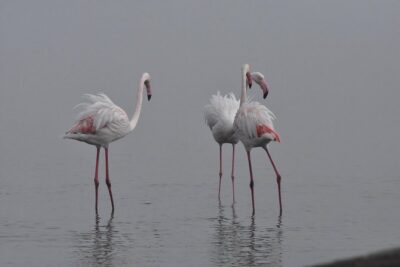
Sandwich Harbour Adventure: Seals and Sandwich harbour dune drive
Read our review →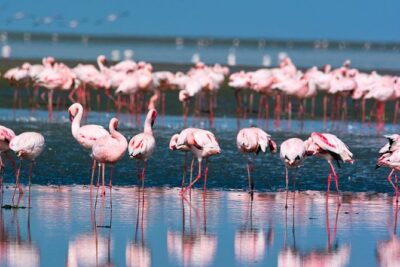
Pelican Point Peninsula Tour- visit the seal colony
Read our review →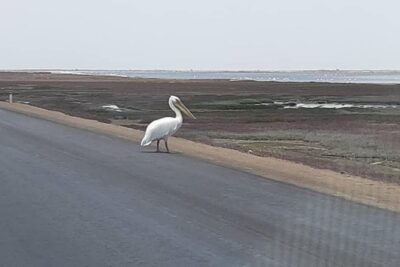
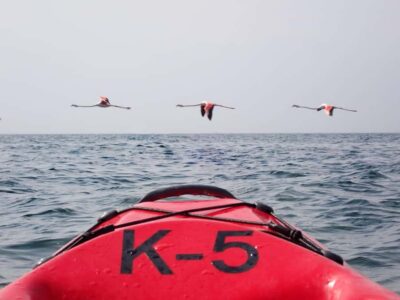
Cape Cross and Henties Bay Guided Tour SkeletonCoast Namibia
Read our review →Browse the lists this tour appears in